
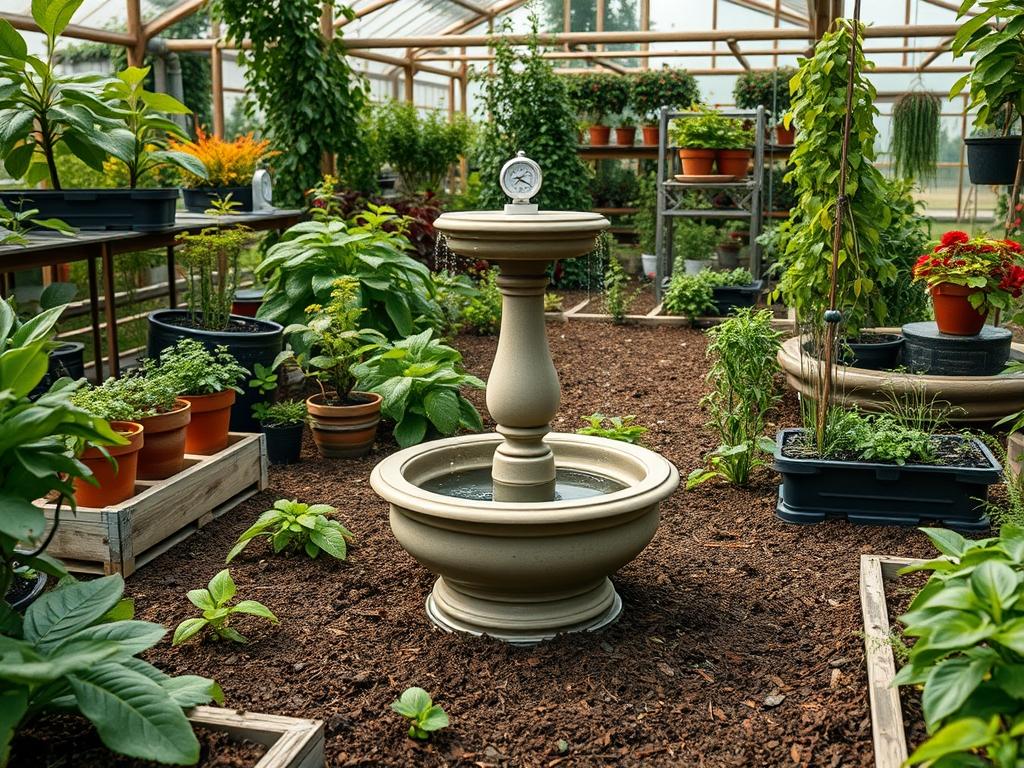
Integrating contemporary water features into a master landscape plan requires a nuanced understanding of environmental physics and aesthetic balance. Solar Powered Fountain Tech represents a sustainable evolution in garden design, yet its performance often suffers due to improper site placement or poor surrounding landscape architecture. To achieve maximum efficiency, a designer must account for the interplay between solar irradiance and microclimatic humidity. High curb appeal depends on the fountain operating consistently as a central focal point. When a pump stutters or the flow diminishes, the intended tranquility of the space evaporates. We must treat the fountain not as a separate appliance but as a living element of the irrigation and hydration cycle of the garden. Successful implementation involves more than just plopping a basin on the grass. It requires a strategy that harmonizes soil stability, drainage, and solar access.
The landscaping challenge often lies in the conflict between shaded aesthetics and the energy requirements of photovoltaic cells. Many homeowners desire a fountain nestled under a lush canopy of Oak or Maple trees, but this creates a technical paradox. Without direct photons hitting the panel, the pump fails. This necessitates a clever use of space where the water basin remains in the cool shade while a remote-wired solar panel is positioned in an area of high exposure. By addressing these technical constraints during the early design phase, you ensure that the outdoor environment remains functional and visually striking throughout the changing seasons.
Landscape Design Principles
Symmetry and visual balance are the bedrock of any professional landscape. When incorporating Solar Powered Fountain Tech, the fountain should serve as the primary focal point of a garden room or a central axis. This means aligning walkways and planting beds to lead the eye toward the moving water. Effective design uses elevation layers to create a sense of depth around the water feature. For example, placing the fountain on a slightly raised platform of flagstone or pavers prevents it from disappearing into the surrounding groundcover. This elevation also aids in drainage, ensuring that heavy rains do not wash soil and mulch into the fountain basin.
Verticality is another critical principle. By surrounding the fountain with plants of varying heights, you create a tiered “stadium effect” that showcases the water feature. Lower groundcovers should be placed nearest to the basin, with mid-sized shrubs and taller perennials radiating outward. This arrangement prevents the fountain from looking like an isolated object and instead integrates it into the organic flow of the garden. Additionally, irrigation planning should be separate but complementary. While the fountain recycles its own water, the surrounding plant life must be hydrated without creating overspray that could leave mineral deposits on the solar panel surface. Clear lines of sight must be maintained not just for the viewer, but for the solar panel to the sky, typically requiring a clear southern exposure in the northern hemisphere.
Plant and Material Selection
Choosing the right flora and hardscape materials is vital for maintaining the cleanliness and efficiency of your solar tech. Plants that drop excessive sap, heavy pollen, or large leaves can clog the submersible pump and reduce the lifespan of the equipment. We prioritize “clean” species that provide year-round interest without the mess.
| Plant Type | Sun Exposure | Soil Needs | Water Demand | Growth Speed | Maintenance Level |
| :— | :— | :— | :— | :— | :— |
| Japanese Sweet Flag | Partial to Full Sun | Wet, Boggy | High | Moderate | Low |
| Blue Star Creeper | Full Sun to Partial Shade | Well-drained | Moderate | Moderate | Low |
| Black Mondo Grass | Full Sun to Partial Shade | Well-drained, Rich | Moderate | Slow | Very Low |
| Dwarf Papyrus | Full Sun | Consistently Moist | High | Fast | Medium |
| Boxwood ‘Green Velvet’ | Full Sun to Shade | Well-drained, Loamy | Moderate | Slow | Medium |
| Creeping Jenny | Full Sun to Shade | Moist, Well-drained | Moderate | Fast | Low |
For hardscaping, use river stones or polished pebbles within the fountain basin to provide a natural look and a surface for beneficial bacteria to colonize. Around the base, a layer of landscape fabric topped with 3 inches of cedar mulch helps suppress weeds and retains soil moisture, reducing the dust that can settle on the solar panels.
Implementation Strategy
The first step in backyard layout planning is the site survey. You must track the sun’s path across the yard for a full day. The solar panel requires at least 6 to 8 hours of direct, unobstructed sunlight to keep the lithium-ion battery charged for evening operation. Once the location is determined, begin with grading. The area beneath the fountain must be perfectly level to ensure even water flow over the weirs. Use a spirit level and a tamper to compact a 4-inch base of crushed gravel or sand. This provides a stable foundation that resists shifting during freeze-thaw cycles.
Next, address the drainage. Install a simple French drain or a gravel-filled trench around the fountain perimeter to divert excess rainwater away from the electrical components. If the fountain uses a remote solar panel, bury the connecting wires in half-inch PVC conduit at a depth of at least 6 inches to protect them from lawnmowers and garden shears. For edging, use steel or heavy-duty plastic edging to create a crisp border between the fountain’s gravel base and the surrounding lawn or flower beds. This prevents grass from encroaching on the technical components. Finally, apply a UV-resistant sealant to any stone or resin fountain parts to prevent fading and cracking under the same sun that powers the pump.
Common Landscaping Failures
The most frequent mistake in fountain integration is poor drainage planning. When water pools at the base of a fountain, it can lead to soil saturation, causing the feature to tilt and eventually fail. This instability puts stress on the pump motor as it struggles to push water uphill. Root overcrowding is another silent killer of Solar Powered Fountain Tech. Aggressive trees planted too close to the feature can send roots into the plumbing or even lift the base of the fountain, cracking the reservoir. Always respect the mature spread of any tree or large shrub you install.
Improper spacing of plants can also lead to air circulation issues. Stagnant air around the water feature promotes the growth of algae and biofilm, which quickly clogs the intake of a small solar pump. Soil compaction is equally detrimental. If the soil around the fountain is walked on too much during installation, it loses its ability to absorb water, leading to runoff that carries silt and debris into the fountain’s clean water system. Lastly, many owners neglect irrigation efficiency; traditional sprinklers hitting the solar panel can cause “limescale buildup,” a white crust of minerals that blocks sunlight from reaching the photovoltaic cells.
Seasonal Maintenance
Landscape management is a year-round commitment. In the spring, begin by cleaning the solar panel with a soft microfiber cloth and distilled water. Check all connections for signs of corrosion or pest damage. As the summer heat peaks, evaporation becomes your primary enemy. Keep the water levels topped off to prevent the pump from running dry, which can burn out the motor in hours. You may need to add a non-toxic algaecide to keep the water clear as temperatures rise.
In autumn, the focus shifts to debris management. Use a fine-mesh net to remove falling leaves before they can sink and decay. Decomposing organic matter releases tannins that stain the fountain and acids that can degrade the pump seals. When winter approaches, if you live in a region where the ground freezes, you must decommission the tech. Drain the fountain completely and remove the submersible pump. Store the pump and the solar panel in a climate-controlled area seperti a garage or basement. If the fountain is too heavy to move, cover it with a heavy-duty waterproof fountain cover to prevent ice from expanding in the crevices and causing structural failure.
Professional Landscaping FAQ
How do I hide the solar panel without reducing its efficiency?
Mount the panel on a decorative stake among mid-height ornamental grasses like Carex. Ensure the grasses do not grow tall enough to cast shadows. You can also integrate the panel into a trellis or a south-facing garden wall.
What is the best way to clean my solar fountain’s pump?
Disconnect the pump and soak it in a mixture of white vinegar and warm water for thirty minutes. Use a small brush to remove mineral deposits from the intake. Rinse thoroughly with fresh water before reinstalling it in the basin.
Can I run my solar fountain during the night?
Performance at night depends on the battery backup capacity of your Solar Powered Fountain Tech. Systems equipped with high-capacity batteries can store energy during the day to power the pump and LED lights for several hours after sunset.
Why is my solar fountain pulsing instead of flowing steadily?
A pulsing flow usually indicates insufficient sunlight or a partially blocked intake. Ensure the solar panel is free of dust and check the filter for debris. If the sun is bright, the capacitor may be struggling with an aging battery.
Does mulch type affect fountain performance?
Yes. Avoid light mulches like straw that can blow into the water. Use heavy cedar mulch or decorative stones. These materials stay in place during wind and rain, preventing clogs in the pump filtration system and maintaining water clarity.