
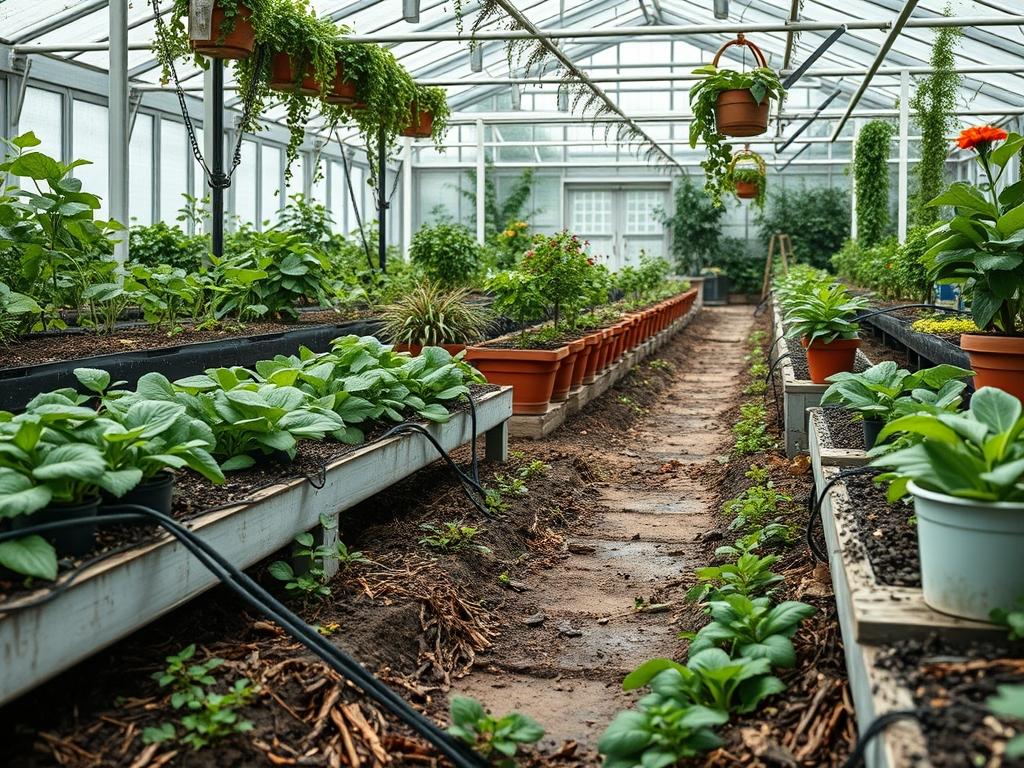
Modern landscape architecture has evolved beyond simple aesthetic arrangements of flora and stone. The contemporary outdoor environment is a complex, living system that requires precise management to maintain its vitality and visual impact throughout the changing seasons. Achieving consistent curb appeal and sustainable plant health requires more than occasional watering and topical fertilization. It demands a sophisticated approach to infrastructure, specifically through Automated Nutrient Delivery. This method, often referred to in the industry as fertigation, integrates fertilization directly into the irrigation system. By providing plants with small, consistent doses of essential minerals, designers can overcome localized soil deficiencies and microclimate stressors that often lead to plant failure. This professional approach ensures that every specimen, from the towering canopy trees to the delicate groundcovers, receives the exact chemical balance required for optimal cellular growth.
A successful outdoor environment must balance visual functionality with technical feasibility. When a landscape architect approaches a new site, they must consider the topography, drainage patterns, and the existing soil composition. In regions with poor native soil, an Automated Nutrient Delivery system becomes the primary tool for maintaining high-value ornamental species. Without this level of precision, the investment in expensive nursery stock is often lost to nutrient leaching or pH imbalances caused by inconsistent manual applications. By automating this process, the landscape becomes a self-sustaining asset that enhances the property value while minimizing the labor-intensive requirements of traditional gardening.
Landscape Design Principles
The foundation of any high-end landscape lies in the application of core design principles like symmetry, focal points, and elevation layers. Symmetry provides a sense of order and formality, guiding the eye toward the primary architectural features of the home. However, maintaining perfectly mirrored plant groupings is difficult without uniform growth rates. This is where Automated Nutrient Delivery proves its worth, as it ensures that identical species on opposite sides of a courtyard receive identical nutrition, preventing the lopsided growth that often ruins formal gardens.
Focal points, such as a large Specimen Oak or a custom-built Retaining Wall with integrated planters, require targeted nutrient strategies. These areas often experience higher visibility and thus demand a higher standard of health. Designers must also consider elevation layers, which involve the strategic stacking of groundcovers, mid-level shrubs, and overstory trees. Each layer has different root depths and metabolic needs. A well-designed irrigation plan must account for these variations by utilizing multi-zone Solenoid Valves that can deliver specific nutrient concentrations to different areas of the property.
Walkways and hardscaping elements serve as the circulatory system of the landscape, providing visual balance and functional access. When planning these structures, it is critical to integrate the subterranean infrastructure early. Running Schedule 40 PVC piping and nutrient delivery lines beneath pavers or concrete paths prevents future disruption of the landscape. Visual balance is achieved not just through the placement of objects, but through the consistent color and texture of the foliage. Proper nutrition ensures that the deep greens and vibrant variegations of the selected plant palette remain constant regardless of the weather.
Plant and Material Selection
Selecting the right materials involves a deep understanding of botanical requirements and the local environment. The following table outlines a selection of versatile plants that benefit significantly from automated systems.
| Plant Type | Sun Exposure | Soil Needs | Water Demand | Growth Speed | Maintenance Level |
| :— | :— | :— | :— | :— | :— |
| Buxus sempervirens | Full Sun / Part Shade | Well-drained Loam | Moderate | Slow | High |
| Lavandula angustifolia | Full Sun | Sandy / Alkaline | Low | Moderate | Medium |
| Carex pensylvanica | Part / Full Shade | Moist / Rich | High | Moderate | Low |
| Acer palmatum | Dappled Shade | Slightly Acidic | Moderate | Slow to Moderate | High |
| Echinacea purpurea | Full Sun | Diverse / Gritty | Low to Moderate | Fast | Low |
| Festuca glauca | Full Sun | Well-drained | Low | Moderate | Low |
For hardscaping, the choice of materials like Crushed Granite, Flagstone, and Cedar Mulch impacts the soil chemistry. For instance, certain stone types can leach lime into the soil, raising the pH. An automated delivery system can be calibrated to inject slightly acidic buffers to counteract this effect, protecting acid-loving plants like Azaleas or Japanese Maples.
Implementation Strategy
The transition from a design on paper to a functioning backyard starts with precise grading and drainage preparation. Before any plants are installed, the site must be leveled to ensure that water does not pool near foundations or in low-lying areas. Proper grading involves a slope of at least 2 percent away from any structures. Once the terrain is prepped, the installation of the Automated Nutrient Delivery system begins at the main water source.
A professional installation requires a Backflow Preventer to ensure that fertilizers cannot siphon back into the potable water supply. After the backflow device, a Venturi Injector or a high-precision Diaphragm Pump is installed. These devices are the heart of the delivery system, pulling liquid fertilizer from a concentrated reservoir and mixing it into the main irrigation line at a specific ratio, usually between 1:100 and 1:1000.
Next, the irrigation zones are laid out using Polyethylene Tubing. For flower beds and shrub borders, 0.5-inch Drip Line with integrated emitters provides the most efficient delivery, reducing evaporation and preventing fungal issues on the foliage. Edging should be installed to create clean borders between turf areas and planting beds, often using Steel Edging or Heavy-duty Plastic Strips. Finally, a layer of 3-inch Organic Mulch is applied over the drip lines. This mulch retains moisture, suppresses weeds, and eventually breaks down to improve soil structure, working in tandem with the liquid nutrients being delivered below the surface.
Common Landscaping Failures
Many landscaping projects fail within the first two years due to preventable errors. Drainage mistakes are the most common, where installers neglect to provide an outlet for excess water, leading to root rot. If a site has heavy clay soil, the installation of a French Drain is often necessary to move water away from sensitive root zones. Root overcrowding is another frequent issue. Professional planners must account for the mature width of a plant rather than its size at the time of purchase. Placing a Large-growth Shrub too close to a walkway will eventually require aggressive pruning that destroys its natural form.
Improper spacing and soil compaction are silent killers in the landscape. During construction, heavy machinery often packs the soil so tightly that oxygen cannot reach the roots. This compaction makes it difficult for traditional granular fertilizers to penetrate the ground, which is why Automated Nutrient Delivery via drip irrigation is so effective; it bypasses the compacted surface to deliver nutrients directly to the root hair zone. Furthermore, irrigation inefficiencies, such as over-watering or head-to-head misalignment, can create localized nutrient leaching, where the water washes away the very minerals the plant needs to survive.
Seasonal Maintenance
A landscape is a dynamic entity that requires different care throughout the year. In the spring, the focus is on “waking up” the system. This involves flushing the Irrigation Lines to remove any debris or mineral buildup that occurred during dormancy. The nutrient mix should be high in nitrogen to support the initial flush of green growth. Inspect all Emitters for clogs and replace any that have been damaged by winter frost or garden tools.
As summer arrives, the demand for water increases. The Automated Nutrient Delivery system should be adjusted to compensate for higher transpiration rates. During heat waves, plants benefit from increased potassium, which helps regulate water loss through the leaves. Autumn is the time for preparation. The nutrient delivery should shift toward phosphorus and potassium to encourage root development and strengthen cellular walls before the first freeze.
In winter, the primary goal is protection. In colder climates, the entire irrigation and nutrient delivery system must be winterized. This involves using an Air Compressor to blow out all water from the lines to prevent bursting. The fertilizer reservoir should be emptied and cleaned. For the plants themselves, applying a thick layer of Hardwood Mulch provides insulation for the root systems, while specialized Anti-dessicant Sprays can be applied to evergreens to prevent moisture loss during dry winter winds.
Professional Landscaping FAQ
What is the primary benefit of Automated Nutrient Delivery?
It provides consistent, micro-dosed nutrition directly to the root zone. This prevents the “feast or famine” cycle of granular fertilizers, leading to more stable growth, improved pest resistance, and vibrant foliage color throughout the entire growing season.
How do I prevent my irrigation emitters from clogging?
Install a Mesh Filter of at least 120 mesh or higher after the nutrient injector. Regularly flushing the lines and using high-quality, completely soluble liquid fertilizers will also prevent the accumulation of mineral solids and biological film.
Can I use any fertilizer in an automated system?
No, you must use specialized, water-soluble concentrates. Using standard granular or low-grade liquid fertilizers can cause sediment buildup, chemical reactions that plug lines, and uneven nutrient distribution across the different zones of your landscape.
Is it difficult to adjust the nutrient levels for different seasons?
Modern systems utilize Smart Controllers that allow you to adjust the injection rate from a smartphone or computer. This makes it easy to increase nitrogen in the spring or decrease overall delivery during the dormant winter months.
Will this system work for both lawns and flower beds?
Yes, but they require different zones. Lawns typically use Pop-up Sprinklers, while beds use Drip Irrigation. The delivery system can be programmed to provide different nutrient concentrations to each zone based on the specific needs of the vegetation.