
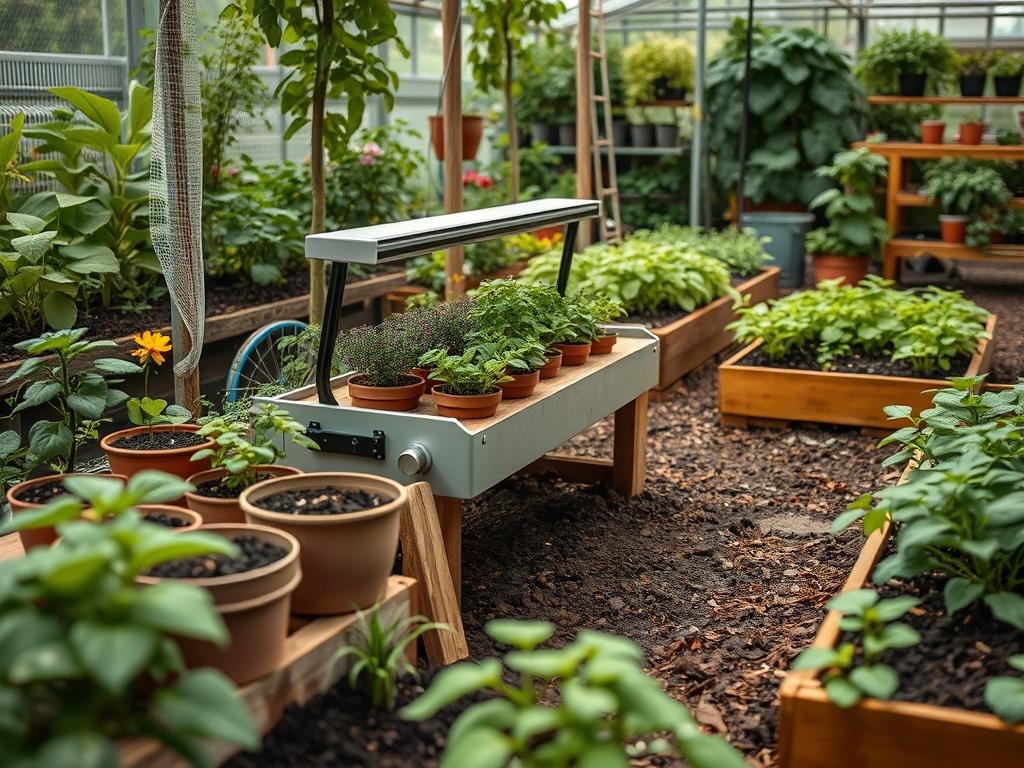
The modern landscape is no longer a static collection of flora and hardscape elements. It has evolved into a high performance environment where technology and nature intersect to maximize efficiency and aesthetic value. For the serious gardener or the landscape architect, the potting bench was once a simple utilitarian structure. Today, the integration of smart potting bench tech represents a critical shift toward precision horticulture. Designing these spaces requires a sophisticated understanding of how data driven tools interact with the local microclimate. A well positioned bench increases curb appeal by centralizing messy tasks behind elegant screening while serving as a command hub for the entire property. Whether you are managing a small urban plot or a sprawling estate, the goal is to create a functional workspace that simplifies complex tasks like propagation, nutrient management, and seasonal transitions.
Every successful outdoor installation must account for the unique stressors of the regional climate. In arid regions, a smart bench becomes the primary control point for water conservation. In high humidity environments, the bench must facilitate airflow and resist fungal growth through proper material selection. By treating the potting station as a specialized architectural feature rather than an afterthought, we can bridge the gap between interior luxury and exterior productivity. This approach ensures that the landscape remains healthy, organized, and technologically integrated for years to come.
Landscape Design Principles
Integrating a smart potting bench into a broader landscape requires adherence to foundational design principles to ensure the structure does not feel out of place. Symmetry and focal points are essential. If the bench is situated against a primary retaining wall, it should align with the surrounding architectural lines of the home. We often use the bench as a secondary focal point, drawing the eye through a transition zone such as a side garden or a kitchen terrace. By using 3/4 inch Crushed Stone as a base, we create a clear visual boundary that separates the work zone from the lush lawn or garden beds.
Elevation layers play a significant role in ergonomic design. A professional setup incorporates tiered shelving and variable counter heights to accommodate different tasks, from delicate seed starting to heavy repotting. Irrigation planning is perhaps the most vital design element. A smart bench should include an integrated Drip Irrigation Manifold that connects to the main system. This allows for automated watering of nursery stock kept on the bench. Furthermore, visual balance is achieved by surrounding the tech heavy station with softening elements. Use Evergreen Shrubs to hide electrical conduits and plumbing, ensuring that the technology remains invisible while providing maximum utility. Walkways leading to the bench should be at least 36 inches wide to allow for the easy movement of wheelbarrows and heavy ceramic pots.
Plant and Material Selection
The materials used for the bench itself must be as resilient as the plants that surround it. We recommend high density polyethylene or marine grade plywood for surfaces that will house Smart Soil Sensors and Automated Misters. For the surrounding landscape, the selection should focus on species that thrive in the specific light conditions provided by the bench’s location.
| Plant Type | Sun Exposure | Soil Needs | Water Demand | Growth Speed | Maintenance Level |
| :— | :— | :— | :— | :— | :— |
| English Lavender | Full Sun | Well Drained | Low | Moderate | Low |
| Japanese Maple | Partial Shade | Loamy, Acidic | Moderate | Slow | Medium |
| Green Giant Arborvitae | Full to Part Sun | Versatile | Moderate | Fast | Low |
| Snake Plant | Shade to Sun | Sandy | Very Low | Slow | Very Low |
| Blue Star Creeper | Full Sun/Part Shade | Moist/Well Drained | Moderate | Fast | Medium |
| Dwarf Boxwood | Full Sun/Part Shade | Neutral to Alkaline | Moderate | Slow | High (Pruning) |
Implementation Strategy
The implementation of a smart potting bench begins with rigorous site preparation. Grading is the first priority; the ground must slope away from any electrical components at a minimum of 2 percent to prevent pooling during heavy rain. Once the site is leveled, we recommend installing a Pressure Treated Timber frame or a Steel Edging border to contain the foundation material. For the base, a layer of Landscape Fabric topped with 4 inches of compacted gravel provides excellent drainage and a stable surface for the bench.
Next, the utility infra-structure must be established. If the bench features integrated LED Grow Lights or a Smart Irrigation Controller, you must run Schedule 40 PVC Conduit for electrical lines and HDPE Piping for water. All electrical outlets must be GFCI Protected and housed in weatherproof enclosures. After the hardware is secured, focus on the hardscaping details. Decorative Pavers or Bluestone Slabs can be laid as a landing pad in front of the bench to reduce soil compaction in high traffic areas. Finally, apply a 3 inch layer of Hardwood Mulch to surrounding planting beds to regulate soil temperature and moisture for the privacy screen plants.
Common Landscaping Failures
One of the most frequent errors in garden planning is failing to account for the secondary effects of water runoff. A smart bench equipped with an automated sink or mister system generates significant liquid output. If the area is not properly drained using a French Drain or a specialized Dry Well, the surrounding soil will become anaerobic, leading to root rot in nearby specimen plants. Soil compaction is another silent killer. Constant foot traffic around the bench pushes the air out of the soil, making it impossible for roots to breathe. Using Flagstone Step Stones can mitigate this risk by distributing weight more evenly.
Improper spacing is a common mistake when choosing plants to screen the tech setup. Homeowners often plant Leyland Cypress or similar fast growing species too close to the bench, only to find that the roots interfere with underground conduits within three years. Always research the mature spread of a species before digging. Furthermore, irrigation inefficiencies often stem from mixing zones. Never put your high tech, drought tolerant succulent nursery on the same irrigation valve as your thirsty Hydrangeas. Each zone must be calibrated to the specific water demand of the plants within it.
Seasonal Maintenance
Maintenance requirements fluctuate with the seasons, especially when technology is involved. In the spring, the focus should be on recalibrating Moisture Sensors and checking all Drip Emitters for mineral buildup. This is also the time to apply a fresh layer of Organic Compost to the service area gardens. Summer maintenance is primarily about water management. Monitor the Smart Controller to ensure that irrigation schedules are adjusting for peak heat and evaporation rates.
As autumn approaches, it is time to prepare the bench for dormancy. Remove any non-weatherproof tech components and store them indoors. Clean the Potting Surfaces with a mild disinfectant to prevent the overwintering of pests or pathogens. If you have any Tropical Plants or tender perennials on the bench, transition them to a greenhouse or indoor space before the first frost. Winter maintenance is largely passive, but it is the perfect time to inspect the structural integrity of the bench. Check for warped wood or rusted metal fasteners. Ensure that any Backflow Preventers on your water lines are insulated to prevent freezing and bursting during cold snaps.
Professional Landscaping FAQ
How do I power a smart potting bench safely?
Always use a dedicated 20 Amp Circuit with GFCI Protection. Ensure all cabling is buried at least 18 inches deep in Rigid Conduit to meet local building codes and prevent accidental damage from shovels or garden tools.
What is the best material for a tech friendly bench?
Powder Coated Aluminum or Stone are superior choices for smart setups. These materials do not warp or rot when exposed to the moisture from Automated Misters and provide a stable, level surface for sensitive electronic scales and sensors.
Can I integrate my potting bench into a smart home system?
Yes, use Outdoor Rated Smart Plugs and Wi-Fi Mesh Extenders to connect your bench to platforms like HomeKit or Alexa. This allows you to monitor soil conditions and control LED Task Lighting remotely via smartphone apps.
How do I prevent drainage issues around the bench?
Install a Slotted Drain or a Gravel Trench directly beneath the work area. This captures excess water from pot rinsing and misters, redirecting it toward a lower point in the landscape or a dedicated Rain Garden to prevent erosion.
Is lighting necessary for a potting bench?
High quality lighting is essential for precision tasks like grafting or seed sorting. Use IP65 Rated LED Strips with a color temperature of 5000K to mimic daylight, ensuring you can work effectively during early morning or late evening hours.