
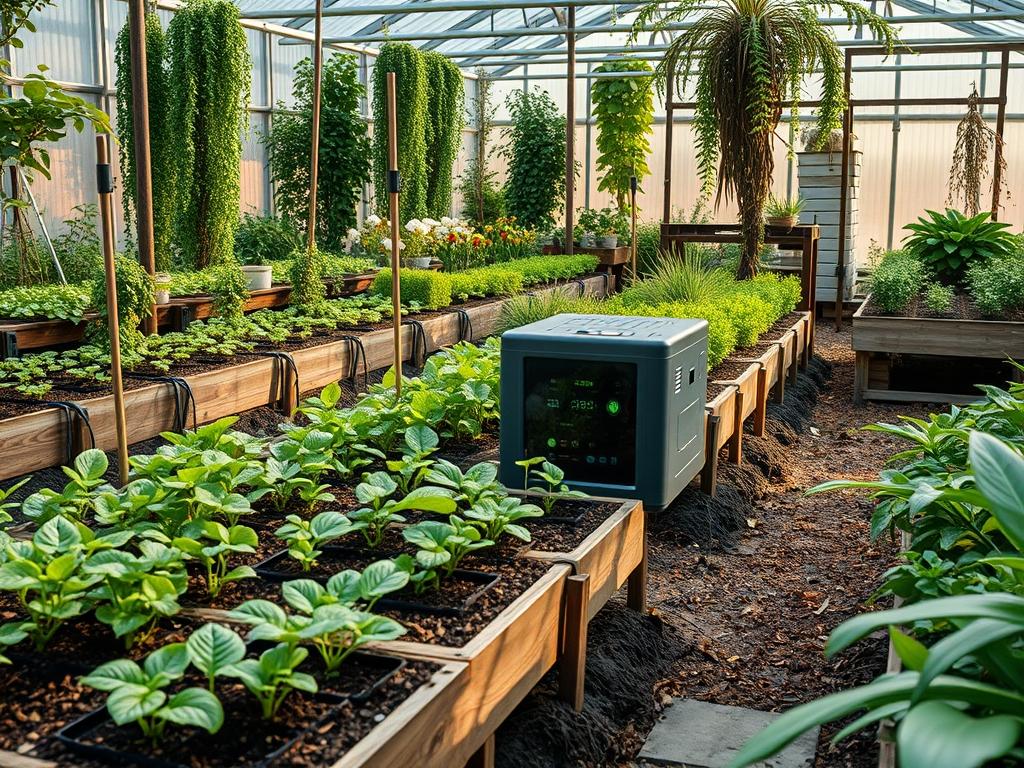
Modern landscape architecture is undergoing a quiet revolution as internal combustion engines give way to electrified, silent efficiency. For homeowners and estate managers, the challenge of maintaining premium curb appeal while adhering to environmental noise ordinances has historically been a difficult balance to strike. The transition to professional-grade battery ecosystems allows for a more seamless integration of outdoor functionality and aesthetic beauty. When we plan a high-end environment, we no longer just consider the visual placement of Boxwood shrubs or the arc of a flagstone walkway, we also account for the infrastructure required by Smart Garden Battery Tech. This evolution ensures that the landscape remains a sanctuary rather than a construction site, where maintenance occurs with minimal disruption to the auditory or atmospheric environment. Effective planning today requires a foresight into how energy storage and cordless operation will influence the longevity of the soil and the health of the surrounding flora.
As we move toward a carbon-neutral footprint in residential design, the role of smart energy cannot be overstated. High-capacity lithium-ion batteries now drive everything from robotic lawn mowers to telescopic pole saws, meaning the traditional “utility shed” is becoming a sophisticated power hub. This change allows us to rethink the layout of sprawling estates, as we are no longer tethered to the proximity of fuel storage or heavy power cables. Instead, we focus on creating outdoor living spaces that feel cohesive, functional, and resilient against shifting climate patterns. By prioritizing efficiency through modern tech, we can dedicate more resources to the artistic elements of the garden, ensuring that every retaining wall and perennial border serves a dual purpose of beauty and structural integrity.
Landscape Design Principles
Successful landscape design rests on the foundational pillars of symmetry and visual balance, ensuring that the eye moves naturally through the environment. We achieve this by establishing distinct focal points, such as a multi-stem Heritage River Birch or a custom-built water feature, which anchor the perspective. Elevation layers are equally critical; by utilizing limestone blocks or timber sleepers to create tiered garden beds, we add three-dimensional depth that prevents a flat, monotonous appearance. These layers also provide a logical place to conceal the technical components of Smart Garden Battery Tech, such as weather-sealed charging ports or storage cabinets for handheld blowers and chainsaws.
Symmetry does not always imply a mirror image, but rather a balance of “visual weight.” If a large Evergreen Oak dominates the left side of a property, we might balance it on the right with a structured seating area or a series of ornamental grasses like Karl Foerster Feather Reed Grass. This balance extends to the hardscaping, where walkways should be at least 36 inches wide to accommodate both pedestrian traffic and the maneuverability of modern maintenance equipment. Furthermore, irrigation planning must be integrated into the initial design phase to ensure that subsurface drip lines provide targeted hydration to root zones without interfering with the electrical conduits required for smart lighting and battery charging stations.
Plant and Material Selection
Selecting the right biological components is the most critical factor in the long-term success of any garden project. We prioritize native plants because they are inherently adapted to local soil chemistry and rainfall patterns, reducing the need for chemical interventions. The following table provides a selection of versatile species that complement a high-tech, low-maintenance landscape.
| Plant Type | Sun Exposure | Soil Needs | Water Demand | Growth Speed | Maintenance Level |
| :— | :— | :— | :— | :— | :— |
| Northern Red Oak | Full Sun | Well-Drained | Moderate | Medium | Low |
| Purple Coneflower | Full to Part Sun | Lean / Rocky | Low | Fast | Minimal |
| Japanese Forest Grass | Full Shade | Rich / Humus | High | Slow | Low |
| Panicle Hydrangea | Part Sun | Moist / Acidic | High | Medium | Moderate |
| Creeping Thyme | Full Sun | Sandy | Low | Fast | Very Low |
| Dwarf Fountain Grass | Full Sun | Adaptable | Low | Medium | Minimal |
In addition to plant life, material selection defines the texture of the space. We often utilize shredded cedar mulch at a depth of 3 inches to suppress weeds and retain moisture. For hardscaping, permeable pavers or decomposed granite allow for superior drainage compared to solid concrete. This is particularly important when designing around Smart Garden Battery Tech hubs, as these areas must remain dry and stable throughout the year.
Implementation Strategy
The implementation of a sophisticated landscape begins with professional grading. To ensure proper drainage, the land must be sloped at a minimum of 2 percent away from any permanent structures. Once the grade is established, we mark out the perimeters of planting beds using steel edging, which provides a crisp, permanent transition between turf and mulch. This is the optimal time to install the subterranean infrastructure, including PVC sleeves for electrical cables and high-density polyethylene pipes for the irrigation system. Planning these routes early prevents the need to disrupt established root systems later.
Following the subterranean work, we focus on the “bones” of the garden, which include retaining walls and patios. If the design includes a dedicated storage solution for Smart Garden Battery Tech, it should be situated in a central, shaded location to protect battery packs from extreme heat, which can degrade their lifespan. Once the hardscape is set, we amend the soil with organic compost to a depth of 6 inches before installing the primary specimens. Each tree and shrub should be planted in a hole two times wider than its root ball to encourage outward lateral growth. The final step involves laying sod or sowing premium grass seed, followed by a thorough saturation of the entire site to settle the soil around new transplants.
Common Landscaping Failures
One of the most frequent errors in landscape management is the failure to address soil compaction. During construction, heavy machinery can crush the pore spaces in the soil, preventing oxygen and water from reaching plant roots. Using lighter, battery-powered equipment helps mitigate this issue, but significant compaction often requires core aeration or the manual incorporation of expanded shale. Another common pitfall is improper spacing. Homeowners often plant for the size of the nursery container rather than the mature spread of the species, leading to root overcrowding and poor air circulation, which invites fungal diseases like powdery mildew.
Drainage mistakes can be equally catastrophic. If a French drain or catch basin is not properly calculated for the local “100-year storm” volume, water will pool against foundations or drown the root systems of expensive conifers. Irrigation inefficiencies also plague many gardens; over-watering is just as harmful as drought. Smart Garden Battery Tech often includes sensors that communicate with irrigation controllers to skip cycles during rain events, yet many users fail to calibrate these systems. Finally, the use of inappropriate mulch materials, such as non-breathable plastic liners, can suffocate the soil microbiome and kill the very plants they were intended to protect.
Seasonal Maintenance
Landscape management is a year-round commitment that shifts with the pulse of the seasons. In the spring, the focus is on “awakening” the garden. This involves pruning dead wood from deciduous trees, applying a slow-release fertilizer, and checking the integrity of all Smart Garden Battery Tech components. It is the ideal time to sharpen mower blades and ensure that all handheld trimmers are fully charged and ready for the first flush of growth. As we transition into summer, the priority shifts to moisture management. Morning watering sessions are essential to reduce evaporation, and 2 inches of fresh mulch can be added to revitalize depleted beds.
When autumn arrives, the landscape architect focuses on preparation and protection. This involves the removal of fallen leaves using cordless blowers, which are quiet enough for early morning use without disturbing neighbors. We recommend a “dormant pruning” for most shrubs once they have dropped their leaves. In winter, the focus turns to the protection of technical assets. All lithium-ion batteries should be moved to a temperature-controlled environment, as freezing temperatures can permanently reduce their capacity. This is also the season for “structural pruning” and planning next year’s additions, utilizing the quiet months to refine the garden’s architectural skeletal form.
Professional Landscaping FAQ
How does Smart Garden Battery Tech improve long-term garden health?
By utilizing lighter equipment, you significantly reduce soil compaction. This allows for better aeration and water penetration, which promotes deeper root systems and increases the overall resilience of your native plants against environmental stress and drought.
What is the best way to store garden batteries during the off-season?
Store lithium-ion batteries in a cool, dry place between 50 and 70 degrees Fahrenheit. Keep them at approximately a 50 percent charge level; storing them at a completely empty or fully charged state can decrease their lifespan over time.
How do I calculate the proper drainage for my new patio?
Ensure a minimum slope of 1/4 inch per foot away from your home. If you have heavy clay soil, consider installing a French drain or a dry creek bed using river rock to move excess volume efficiently.
Why is native plant selection so vital for smart gardening?
Native plants require significantly less intervention, meaning fewer passes with string trimmers or mowers. They are naturally resistant to local pests, which reduces the need for chemical applications and aligns with a sustainable, tech-integrated maintenance philosophy.
How deep should I apply mulch for optimal plant protection?
Maintain a consistent depth of 2 to 3 inches. Avoid the “mulch volcano” look where material is piled against the tree trunk; this can cause bark rot and provide a bridge for boring insects to enter the tree.