
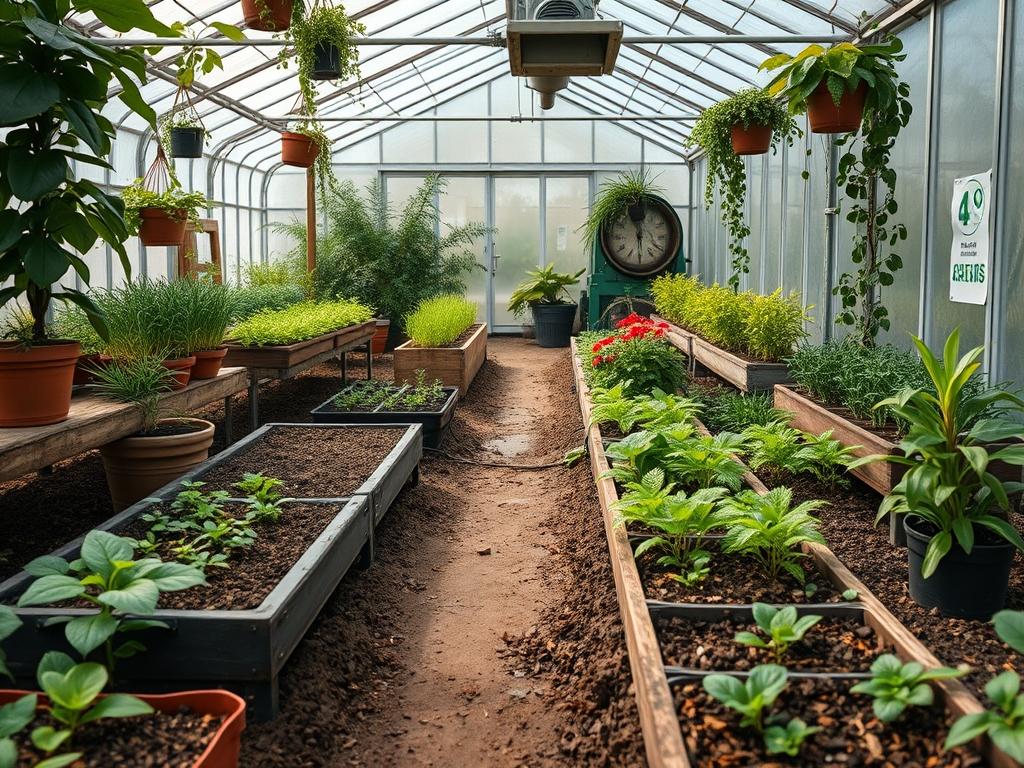
Designing a landscape that incorporates a high performance greenhouse requires more than just aesthetic sensibility; it demands a deep understanding of environmental physics. When we introduce a controlled environment into a backyard, we create a microclimate that must interact harmoniously with the existing topography. Smart Greenhouse Humidity management is the pivot point where indoor precision meets outdoor ruggedness. A greenhouse that fails to breathe effectively becomes a liability, leading to mold, plant stress, and structural decay. Conversely, a well integrated smart system enhances the overall functionality of the outdoor living space, ensuring that exotic or sensitive species thrive regardless of the external climate. The integration of technology and nature starts at the site plan, where the placement of the structure influences wind patterns, light exposure, and the moisture levels of the surrounding soil.
Landscape Design Principles
To achieve a balanced outdoor environment, the greenhouse should be treated as a primary focal point rather than an auxiliary shed. Symmetry often dictates that the structure aligns with the central axis of the home or a major garden path, but visual balance can also be achieved through asymmetrical layering. By using retaining walls and tiered elevation levels, a designer can create a transition between the wildness of the yard and the controlled interior of the glass house. These layers do more than look good; they provide essential drainage routes that keep the foundation of the greenhouse dry while channeling excess water toward lower garden beds.
Irrigation planning is another critical pillar of design. For automated humidity systems to function, there must be a seamless connection between the main water line and the interior misting nozzles. Integrating this into the landscape design involves burying high density polyethylene pipes at least 12 inches deep to avoid frost heave and accidental damage from garden spades. Walkway design also plays a role in humidity management. Using permeable materials like crushed limestone or pea gravel around the perimeter allows the ground to breathe, reducing the amount of stagnant exterior moisture that can affect the internal sensors of the smart system.
Plant and Material Selection
The following table outlines plants and materials suitable for a landscaping project that features an integrated smart greenhouse.
| Plant Type | Sun Exposure | Soil Needs | Water Demand | Growth Speed | Maintenance Level |
| :— | :— | :— | :— | :— | :— |
| Boston Fern | Indirect Light | Peat-based | High | Moderate | Medium |
| Moth Orchid | Shaded | Bark chips | Low | Slow | High |
| Creeping Jenny | Full to Partial | Moist loam | High | Fast | Low |
| Boxwood | Full Sun | Well-drained | Moderate | Slow | Medium |
| Japanese Maple | Partial Shade | Acidic | Moderate | Slow | Low |
| Blue Star Creeper | Full Sun | Sandy | Moderate | Fast | Low |
For the structural components, selecting the right materials is vital. Galvanized steel or redwood are preferred for greenhouse frames due to their resistance to high humidity. On the exterior, decorative mulch or river rocks should be used to prevent soil backsplash against the glass during heavy rains.
Implementation Strategy
The implementation process begins with rigorous site preparation. First, use a laser level and string lines to mark the footprint and ensure the area is perfectly level. Proper grading is the most important step; the ground must slope away from the greenhouse at a rate of at least 2 inches per 10 feet. This prevents water from pooling around the external sensors and power supplies of the automated system.
Once the site is graded, install a french drain system filled with 3/4 inch clean stone. This redirecting of water protects the structural integrity of the greenhouse floor. After the foundation or concrete pad is poured, the installation of the smart tech begins. Mount hygrometers at different heights, specifically at 3 feet and 6 feet, to map how humidity fluctuates throughout the vertical space.
Next, focus on hardscaping and edging. Use steel landscape edging to create a crisp boundary between the ornamental beds and the structural pathways. Apply a layer of geotextile fabric beneath any gravel paths to prevent weed growth without sacrificing permeability. Finally, finish the area with a 3 inch layer of hardwood mulch around peripheral plantings. This mulch helps regulate the temperature of the soil surrounding the greenhouse, which indirectly stabilizes the internal environment by reducing extreme temperature spikes that would otherwise force the smart system to overcompensate.
Common Landscaping Failures
The most frequent error in greenhouse landscaping is neglecting the impact of surrounding foliage on airflow. Planting large evergreens too close to the structure can create a windbreak that stalls natural ventilation. This forced stagnation makes the Smart Greenhouse Humidity system work twice as hard to cycle air. Generally, any tree with a broad canopy should be placed at least 15 feet from the structure to ensure that automated roof vents can catch the breeze.
Another failure is the use of non-porous surfaces. Surrounding a greenhouse with a large concrete patio can create a heat island effect. This localized heat increases the transpiration rate of plants inside, leading to a rapid moisture buildup that the dehumidifiers may struggle to manage. Furthermore, improper irrigation zones can lead to disaster. If the exterior lawn sprinklers are on the same zone as the greenhouse misting system, you lose the ability to fine tune the indoor humidity without overwatering the grass. Each system must be isolated with its own solenoid valve and timer.
Root overcrowding and soil compaction are also silent killers of landscape aesthetics. When soil is compacted by heavy machinery during greenhouse construction, it loses its ability to absorb water. This leads to standing water, which breeds mosquitoes and increases the ambient external humidity to levels that interfere with internal sensor readings. Using an aerator or adding organic compost can remediate this issue before the final planting phase occurs.
Seasonal Maintenance
Managing a smart greenhouse landscape requires a seasonal rhythm to ensure the technology and the plants remain in peak condition. In the spring, the focus should be on cleaning. Clear any debris from the gutters and check that the automated louvers are moving freely without obstruction from climbing vines. This is also the time to recalibrate the moisture sensors before the growing season begins in earnest.
Summer maintenance involves managing the heat. Apply a shade cloth to the exterior if internal temperatures exceed the smart system’s threshold regularly. Check the misting nozzles for mineral buildup; soaking them in white vinegar can restore their spray pattern. Ensure that the mulch layers around the exterior are still sufficiently thick to keep the soil cool.
Autumn is the season for insulation and protection. Remove any dead annuals from the exterior beds and check the seals on all windows and doors. Apply silicone lubricant to the hinges and moving parts of the ventilation system. If the greenhouse uses a heat exchanger, clean the filters to ensure maximum efficiency as the outside air cools.
Winter demands vigilance regarding condensation. When the temperature differential between the inside and outside is extreme, condensation can become a significant issue. Ensure the automated fans are programmed to provide consistent air movement even when the heaters are running. Outside, clear heavy snow from the roof immediately using a soft-bristle roof rake to prevent structural stress and to allow light to reach the internal sensors.
Professional Landscaping FAQ
How does exterior drainage affect interior humidity?
Poor exterior drainage allows water to seep under the foundation, causing rising damp. This increases the baseline humidity, forcing your automated system to run constantly. Proper grading and french drains are essential to maintain a stable interior environment.
What is the best mulch for near a greenhouse?
Cedar mulch or dark hardwood mulch are excellent choices. They provide a stable thermal mass and resist mold growth. Avoid lightweight mulches that can wash away during heavy rains and clog your external drainage grates.
Can I use misting systems for the exterior landscape?
Yes, but they should be on a separate zone. Exterior misters help cool the air before it enters the greenhouse through the intake vents, which can significantly reduce the cooling load on your smart system during peak summer months.
How far should I plant shrubs from the vents?
Keep a minimum of 3 feet of clear space around any automated intake or exhaust vents. This ensures unobstructed airflow, which is critical for the smart system to accurately regulate the internal atmosphere and prevent localized stagnant pockets.
Does sensor placement matter for landscape integration?
Absolutely. Sensors should be placed away from direct sunlight and at least 2 feet from the walls. In the landscape, avoid placing sensors near water features or heavy irrigation heads, as this will result in false high humidity readings.