
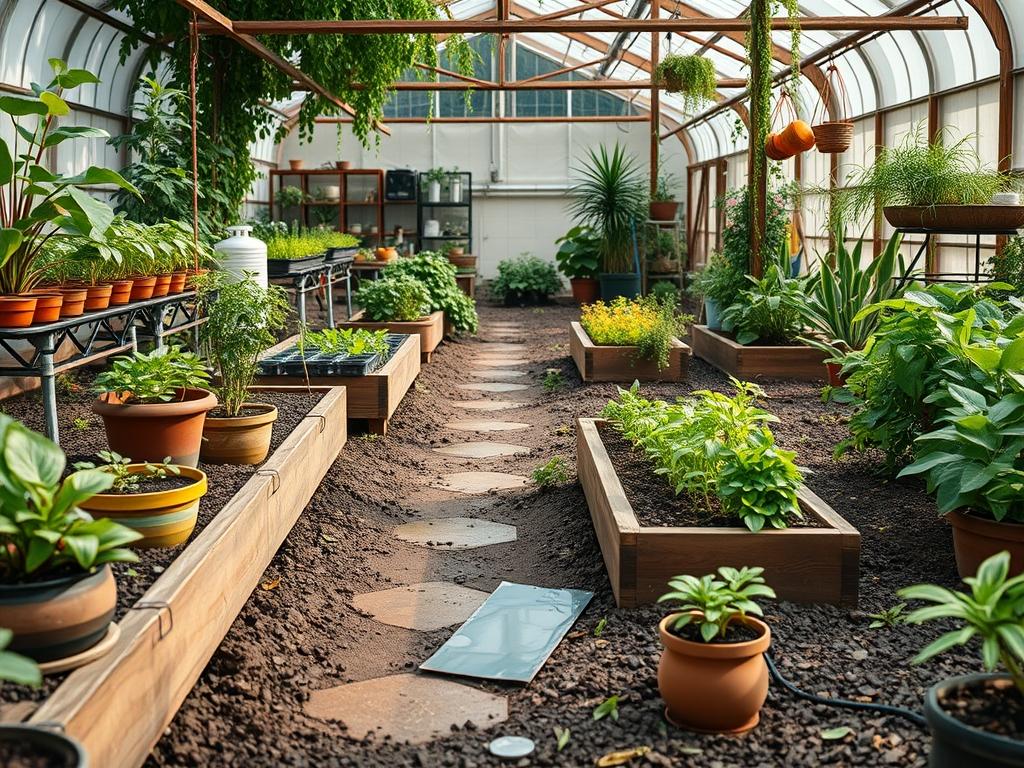
Achieving a high-performance landscape requires a delicate balance between aesthetic ambition and environmental stewardship. Modern property owners demand lush, vibrant curb appeal that also functions as an extension of their living space, yet the rising costs of water and the volatility of local climates create significant challenges. Smart Irrigation Scheduling is the definitive solution to this tension. It moves beyond traditional timers, which operate on a rigid and often wasteful “set it and forget it” mentality, and transitions toward a data-driven approach. By leveraging real-time weather data and site-specific soil conditions, smart scheduling ensures that every gallon of water is used with surgical precision. This professional approach not only preserves the health of delicate plant specimens but also safeguards the physical infrastructure of the property, such as retaining walls and building foundations, by preventing oversaturation and runoff.
When we consider the functionality of an outdoor environment, we must view the landscape as a biological machine. Every design choice, from the placement of a focal point to the grading of a lawn, influences hydrodynamics. A poorly planned irrigation system can lead to localized flooding or dry spots, both of which degrade the visual harmony of the site. By optimizing Smart Irrigation Scheduling, landscape architects can design more complex, multi-layered environments that thrive even during heat waves. The goal is to maximize the return on investment of the green space, ensuring that the vegetation reaches its full genetic potential while keeping utility expenses at a minimum. Professional management of these systems allows for a refined outdoor atmosphere where the focus remains on comfort and beauty rather than the logistics of maintenance.
Landscape Design Principles
For a professional landscape to succeed, the design must follow established principles of visual balance and structural integrity. Symmetry is often used to create a sense of order and formality, particularly near entryways and main walkways. However, asymmetrical balance can be equally effective in naturalistic settings, where the weights of different plant groupings are distributed to keep the eye moving across the space. Focal points, such as a mature Specimen Tree or a custom-built water feature, act as the anchor for the entire composition. These elements should be highlighted with specific lighting and irrigation zones to ensure they remain the healthiest components of the garden.
Elevation layers are critical for adding depth to a property. By using retaining walls and tiered planting beds, we can create vertical interest that makes a small space feel expansive. This layering also aids in irrigation planning through a concept known as hydrozoning. This involves grouping plants with shared water needs into specific zones. For instance, drought-tolerant shrubs are placed together on southern-facing slopes, while humidity-loving ferns are grouped in shaded, low-lying areas. Proper walkway placement also plays a role in water management. Using permeable pavers for paths allows rainwater to infiltrate the soil naturally, reducing the demand on the Smart Irrigation Scheduling system. Visual balance is maintained by ensuring that the scale of the plants matches the scale of the surrounding architecture, creating a seamless transition from the indoor to the outdoor living environment.
Plant and Material Selection
Selecting the right materials is the foundation of a resilient landscape. The following table outlines standard selections for a high-end, water-efficient garden.
| Plant Type | Sun Exposure | Soil Needs | Water Demand | Growth Speed | Maintenance Level |
| :— | :— | :— | :— | :— | :— |
| Boxwood Shrub | Full Sun to Part Shade | Well-Drained Loam | Moderate | Slow | Medium |
| Lavender | Full Sun | Sandy/Gravelly | Low | Moderate | Low |
| Liriope (Lilyturf) | Shade to Part Sun | Adaptable | Low to Moderate | Fast | Low |
| Japanese Maple | Filtered Sunlight | Rich, Acidic | Moderate | Slow | Medium |
| Fescue Turf | Full Sun to Part Shade | Deep Topsoil | High | Fast | High |
| Stonecrop Sedum | Full Sun | Poor, Rocky Soil | Very Low | Moderate | Low |
The choice of mulch is equally important as plant selection. A 3-inch layer of organic cedar mulch or pine bark acts as an insulating blanket for the soil. It suppresses weed growth, prevents soil erosion during heavy rains, and significantly reduces the rate of evaporation. In a smart irrigation context, mulch allows the controller to stretch the time between watering cycles, saving thousands of gallons of water annually.
Implementation Strategy
The successful implementation of a smart landscape begins with meticulous site preparation. First, the professional must address grading and drainage. A transit level or laser level is used to ensure the ground slopes away from the home at a rate of at least two percent. This prevents foundation damage and ensures that irrigation water moves through the root zones efficiently. Once the grade is established, the installation of the irrigation backbone begins. This involves trenching for Schedule 40 PVC piping and installing flow sensors that can detect a broken lateral line or a clogged nozzle instantly.
The core of the strategy is the installation of a weather-based irrigation controller (WBIC). These devices pull data from local weather stations to calculate the daily Evapotranspiration (ET) rate, which is the amount of water lost through soil evaporation and plant transpiration. The controller then adjusts the run time for each zone automatically. For slopes or heavy clay soils, the professional should program a “cycle and soak” method. This technique breaks a twenty-minute watering session into four five-minute intervals with breaks in between, allowing the water to penetrate deep into the soil rather than running off into the street. Finally, drip emitters should be used for all shrub and perennial beds to deliver water directly to the base of the plant, minimizing waste and preventing leaf diseases caused by overhead spray.
Common Landscaping Failures
The most frequent failure in high-end landscaping is improper drainage. When water is allowed to pool around the base of plants, it leads to root rot and anaerobic soil conditions, which can kill even the hardiest species. Another common mistake is root overcrowding. Designing a garden based on the size of the plants at the nursery, rather than their mature size, leads to a tangled mess of competing roots within five years. This competition stresses the plants and requires the irrigation system to work significantly harder to keep the greenery alive.
Soil compaction is a silent killer in many gardens. Heavy foot traffic or construction machinery crushes the air pockets in the soil, preventing water and oxygen from reaching the roots. Even the most advanced Smart Irrigation Scheduling system cannot fix an environment where the soil is as hard as concrete. Proper aeration and the addition of organic compost are required before the irrigation system is even turned on. Lastly, many owners suffer from irrigation inefficiency due to “nozzle drift.” Over time, spray heads can shift, watering the sidewalk rather than the lawn. Without regular audits and the use of pressure-regulating heads, these small errors result in massive water waste and localized plant death.
Seasonal Maintenance
Landscape management is a year-round commitment that changes with the tilt of the earth. In the Spring, the focus is on the irrigation audit. Professionals should check every head for clogs, replace worn nozzles with high-efficiency rotary nozzles, and recalibrate the smart controller for the growing season. This is also the time to apply a fresh layer of mulch to maintain that critical moisture barrier before the heat arrives.
Summer maintenance is about monitoring and adjustment. During peak heat, even a smart system may need manual overrides if a specific microclimate is showing signs of stress. It is crucial to check the soil moisture sensors to ensure they are providing accurate readings at the root level. When Autumn arrives, the goal shifts to “hardening off” the plants. Smart Irrigation Scheduling should be adjusted to gradually reduce water delivery as the plants enter dormancy. This is the optimal time for aeration and overseeding of turf areas. Finally, in Winter, the priority is winterization. In many climates, this means blowing out the irrigation lines with compressed air to prevent frozen pipes from bursting. For warmer regions, it simply means scaling back the schedule to the bare minimum to sustain the root systems during the cool months.
Professional Landscaping FAQ
How does Smart Irrigation Scheduling actually save money?
The system uses real-time weather data to prevent watering during rain or high wind. By calculating the exact amount of water lost to evaporation, it avoids overwatering, which typically reduces residential outdoor water bills by twenty to forty percent.
What is the best way to handle poor soil drainage?
Install a French drain or a dry creek bed to redirect excess water. Improving soil structure through the addition of organic matter and ensuring the property is graded to slope away from the house are also essential first steps for drainage.
Which irrigation method is best for perennial flower beds?
Drip irrigation is the gold standard for perennials. It delivers water directly to the soil, reducing evaporation and preventing water from reaching the foliage. This discourages the spread of fungal diseases and keeps the moisture focused exactly where it is needed.
Why are my plants dying despite having an automatic timer?
A standard timer does not account for rain, humidity, or soil moisture levels. You are likely overwatering or underwatering based on changing weather. Upgrading to a smart controller with a rain sensor ensures irrigation only occurs when the soil is dry.
How thick should my mulch layer be for maximum efficiency?
A consistent depth of 3 inches of mulch is ideal. This depth is sufficient to retain soil moisture and suppress weeds without preventing oxygen from reaching the roots. You should refresh the mulch annually to maintain this protective layer over time.