
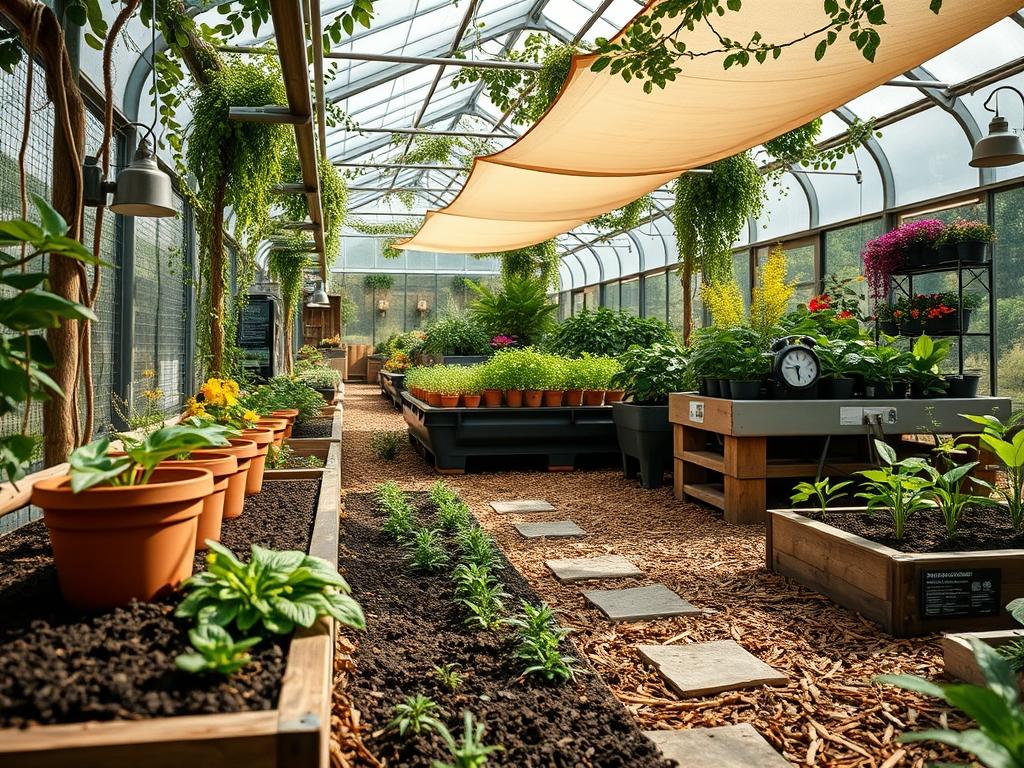
The contemporary landscape is a living, breathing ecosystem that must now contend with increasingly volatile climate patterns. As a landscape architect, I have observed that traditional methods of providing relief to flora often fall short during record breaking heat waves. High value botanical specimens and delicate microclimates require more than just a static canopy or a well timed sprinkler. This is where Smart Shade Systems enter the design lexicon, offering a sophisticated convergence of technology and horticultural preservation. By integrating automated sensors, motorized textiles, and real-time weather data, these systems protect heat sensitive species while maintaining the aesthetic integrity of the outdoor environment. Implementing such a system is not merely about blocking the sun; it is about managing the thermal load on the soil, regulating transpiration rates, and ensuring the curb appeal of the property remains vibrant even during the most punishing midsummer droughts.
The challenge for any designer is to balance functionality with the existing architecture. A sprawling garden filled with Hydrangea macrophylla or Acer palmatum represents a significant financial and emotional investment. When the solar index peaks, these plants can suffer irreversible cellular damage in a matter of hours. Traditional shade structures, like fixed pergolas, provide relief only when the sun is at a specific angle. In contrast, a smart system adjusts its orientation and opacity based on the precise position of the sun and the current ambient temperature. This level of control allows for a multifunctional outdoor space where human comfort and plant health coexist. By utilizing these advanced tools, we can create environments that are resilient, sustainable, and visually breathtaking, regardless of the thermometer’s reading.
Landscape Design Principles
Successful garden planning requires a rigorous adherence to the core principles of symmetry and visual balance, especially when introducing mechanical elements like Smart Shade Systems. When we design for a luxury estate or a compact urban courtyard, the shade structure becomes a primary focal point. It must feel like an intentional architectural extension of the home rather than an afterthought. We achieve this by mapping the elevation layers of the garden. The highest layer typically consists of the shade canopy itself, followed by an understory of mid-sized shrubs, and finally a ground cover layer. This vertical hierarchy ensures that airflow remains constant, which is critical for preventing fungal growth in humid conditions.
Irrigation planning must also be synchronized with the shade schedule. When a smart canopy deploys, it inherently reduces the evaporation rate of the soil. Consequently, the Drip Irrigation system must be calibrated to account for this retained moisture. Overwatering a shaded plant is just as lethal as underperforming in the sun. Furthermore, walking paths and hardscaping should be aligned with the shade patterns. Using materials like Blue Stone or Light Colored Pavers can help reflect heat away from planting beds. Visual balance is maintained by mirroring the geometry of the shade structure with the layout of the Retaining Walls and Edging Materials. If the smart system utilizes a modern, rectangular profile, the garden beds should reflect those clean lines to create a cohesive aesthetic.
Plant and Material Selection
Selecting the right combination of biological and structural materials is the foundation of a heat resistant landscape. The following table outlines specific plants that benefit most from the precision of Smart Shade Systems and the environmental conditions they require to thrive.
| Plant Type | Sun Exposure | Soil Needs | Water Demand | Growth Speed | Maintenance |
| :— | :— | :— | :— | :— | :— |
| Japanese Maple | Partial Shade | Loamy, Acidic | Moderate | Slow | Moderate |
| Hosta Gigantea | Full Shade | Rich, Organic | High | Medium | Low |
| Bleeding Heart | Deep Shade | Well-Drained | Moderate | Medium | High |
| Gardenia | Filtered Sun | Consistently Moist | High | Medium | High |
| Sword Fern | Full Shade | Humus-Rich | Moderate | Fast | Low |
| Heuchera (Coral Bells) | Partial Shade | Neutral pH | Low | Medium | Low |
For the structural components, we prioritize materials that stand up to both UV exposure and mechanical wear. We recommend Marine Grade Powder Coated Aluminum for the frames and High Density Polyethylene (HDPE) for the shade fabric. These materials provide a lifespan of twenty years or more while resisting the fading and tearing common in cheaper alternatives.
Implementation Strategy
The implementation of a professional grade shade system begins with a detailed site analysis and grading plan. Before any posts are set or sensors calibrated, you must understand the topography of the backyard. Use a Laser Level to ensure the ground is perfectly graded away from the home and the primary planting zones. This prevents water from pooling at the base of your shade structure, which could undermine the foundation or cause electrical issues for the motorization components. Once the site is prepped, we move to the foundation phase.
Installation starts with digging footings that reach below the frost line, typically 36 inches depending on your local building code. Use High Strength Concrete Mix to secure the vertical supports. While the concrete cures, begin the installation of French Drains or Surface Drains around the perimeter of the planting beds. This ensures that even during a heavy downpour when the shade system might be retracted, the delicate root systems of your Hostas or Ferns are not drowned.
The next phase involves the integration of the smart tech. Install an Anemometer (wind sensor) and a Luminosity Sensor at the highest point of the structure. These devices tell the system when to retract to prevent wind damage and when to deploy to prevent leaf scorch. After the mechanical structure is tested, focus on the finishing layers. Apply a 3 inch layer of Organic Cedar Mulch around the base of the plants. This organic barrier works in tandem with the shade system to keep soil temperatures up to fifteen degrees cooler than exposed dirt. Finally, install your Landscape Lighting within the shade structure to ensure the space remains functional and beautiful after sunset.
Common Landscaping Failures
The most frequent mistake in landscape architecture is neglecting the drainage requirements of shaded areas. When a Smart Shade System is active, the soil does not dry out as quickly as it does in the open. Homeowners often maintain their standard watering schedule, leading to root rot and anaerobic soil conditions. It is vital to use a Soil Moisture Meter to verify actual hydration levels before the Irrigation Controller activates. Another common failure is root overcrowding. When planting under a shade structure, designers often pack plants too tightly to achieve an “instant” lush look. This creates competition for nutrients and restricts airflow, which can lead to powdery mildew.
Improper spacing of the shade structure itself can also lead to issues with the home’s exterior. If a retractable awning or sail is placed too close to the roofline without proper clearance, it can trap heat against the siding or shingles, potentially causing damage over time. Furthermore, failing to account for wind load is a recipe for disaster. Even a “smart” system needs a fail-safe. If the sensors are not calibrated correctly, a sudden gust can turn a shade sail into a massive kite, pulling the Steel Anchors right out of the masonry. Always ensure that the system has a manual override and is tied into a dedicated circuit to prevent tripping the main breaker during heavy use.
Seasonal Maintenance
A high-performance landscape requires a disciplined maintenance calendar to ensure the Smart Shade Systems and the plants they protect remain in peak condition. In the Spring, the focus is on mechanical inspection. Lubricate the tracks and pivot points of the motorized arms using a Silicone Based Lubricant. Check the fabric for any signs of nesting insects or winter debris. This is also the time to test the Luminosity Sensors by simulating high light conditions to ensure the motors engage smoothly.
When Summer arrives, the priority shifts to biological monitoring. Inspect the foliage of your Japanese Maples and Gardenias for signs of heat stress, such as crisping edges or wilting, which might indicate the shade set-points need adjustment. Ensure the Drip Irrigation emitters are not clogged by mineral deposits. During Autumn, the shade system should be cleaned thoroughly with a Mild pH-Neutral Detergent to remove pollen and dust before the wet season. If you live in a climate with heavy snow, the fabric components should be removed or locked in the retracted position to prevent weight damage. In Winter, focus on the hardscape. Check the Retaining Walls for shifting and ensure that the Grading still directs melt-water away from the sensitive planting zones.
Professional Landscaping FAQ
How exactly do smart shade systems know when to deploy?
These systems utilize Luminosity Sensors and UV Probes to monitor solar intensity in real time. When radiation reaches a pre-set threshold that threatens plant tissue, the onboard computer triggers the motors to extend the protective canopy or louvers.
Will these structures interfere with my existing irrigation?
No, provided they are planned correctly. Smart systems often integrate with Smart Irrigation Controllers. When the shade is deployed, the controller can automatically reduce water output to account for the decreased evaporation rate in the shaded microclimate.
Are these systems wind-resistant?
Yes, most professional grade systems include an Anemometer. If wind speeds exceed a safe limit, usually 30 miles per hour, the system automatically retracts the fabric into a protective housing to prevent structural damage or tearing.
Can I use these systems for vegetable gardens?
Absolutely. Many cool weather crops like Lettuce and Spinach tend to bolt or wither in midsummer heat. Using a Smart Shade System can extend your growing season by several months by maintaining optimal leaf temperatures.
What is the best material for the shade fabric?
We recommend Solution-Dyed Acrylic or HDPE Mesh. These materials are specifically engineered to block up to 98 percent of harmful UV rays while still allowing for air permeability, which is essential for cooling the plants beneath.