
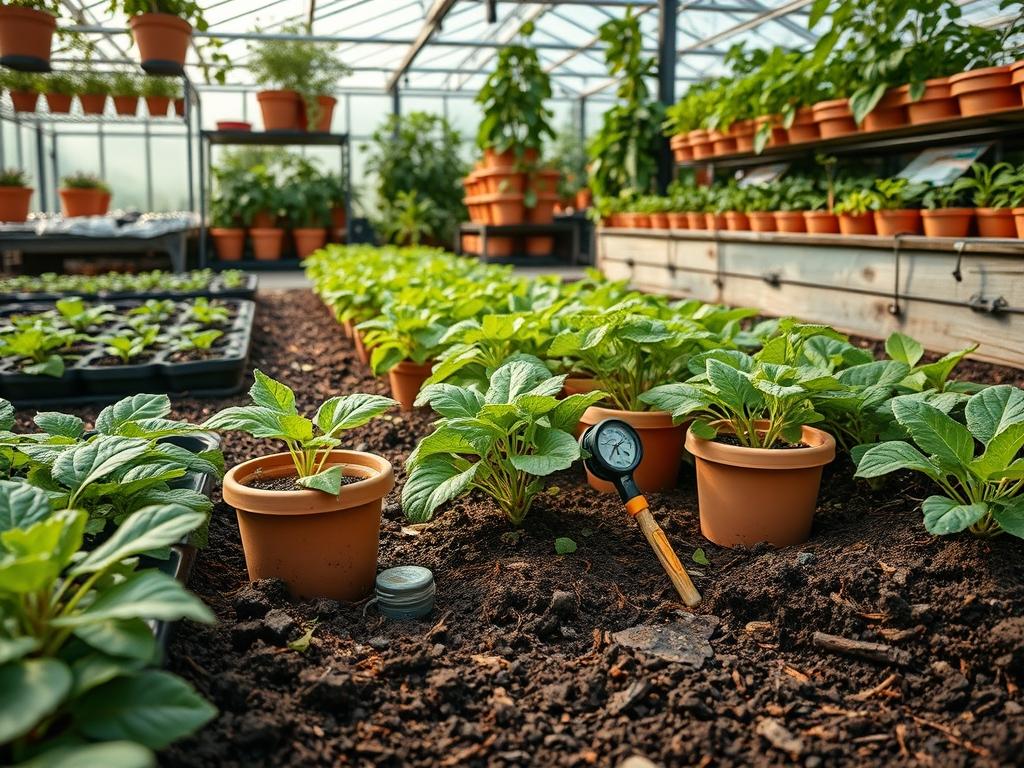
Integrating sophisticated technology into a residential or commercial landscape requires a delicate balance between aesthetic beauty and rigorous site engineering. For the modern landscape architect, the challenge often lies in maintaining a lush, vibrant environment while minimizing the waste of water and fertilizers. Property owners increasingly demand high-performance outdoor spaces that function with the precision of a laboratory. The adoption of hydroponic sensor kits into exterior design represents the next evolution of this field. These systems ensure that living walls, rooftop gardens, and decorative water features stay within optimal chemical ranges. When nutrient levels or acidity fluctuate beyond healthy margins, the visual impact on curb appeal is immediate and detrimental. Yellowing foliage or stunted growth can ruin a meticulously designed focal point. By monitoring the environment in real time, we can create resilient outdoor rooms that defy local climate constraints and soil deficiencies.
Landscape Design Principles
Successful landscape architecture depends on the strategic application of symmetry and focal points to guide the viewer eyes through a space. When integrating hydroponic elements, such as a vertical herb garden or a modular aquatic system, the placement of the control hub and nutrient reservoir must be considered early in the planning phase. Use structural plants like Boxwood or Arborvitae to create natural screens that hide mechanical components. This maintains a clean visual field while allowing for easy maintenance access.
Elevation layers provide depth to a flat yard. You can achieve this by installing retaining walls constructed from natural fieldstone or pre-cast concrete blocks. These walls can double as enclosures for hydroponic piping and electrical conduits. Irrigation planning is no longer just about burying PVC pipe. It now involves the integration of flow meters and inline nutrient injectors. Symmetry in the layout, such as mirroring a hydroponic tower on either side of a bluestone walkway, creates a sense of formal elegance. Balance the high-tech nature of hydroponic sensor kits with organic materials like cedar mulch and river rock to ground the design in the natural world.
Plant and Material Selection
Selecting the right biological and structural components is essential for a system that relies on constant monitoring. The following table highlights common plants and materials used in high-tech landscape environments.
| Plant or Material Type | Sun Exposure | Soil or Media Needs | Water Demand | Growth Speed | Maintenance Level |
| :— | :— | :— | :— | :— | :— |
| Lettuce (Hydroponic) | Full Sun | Clay Pebbles | High | Fast | Medium |
| Blue Star Creeper | Full to Part Sun | Sandy Loam | Moderate | Moderate | Low |
| Hostas | Full Shade | Rich Humus | Moderate | Slow | Low |
| Rockwool Cubes | N/A | Inert Media | N/A | N/A | High |
| English Ivy | Shade to Part Sun | Well-drained Soil | Moderate | Aggressive | Medium |
| Perlite | N/A | Aeration Media | N/A | N/A | Low |
Implementation Strategy
The transition from a blueprint to a finished landscape requires a disciplined approach to site preparation. Begin with a thorough survey to determine the grading of the land. A 2 percent slope is generally required to move excess surface water away from the foundation of the home and toward a French drain or bioswale. Once the rough grade is established, map out the locations for the hydroponic sensor kits. These kits should be housed in a weather-resistant NEMA enclosure to protect sensitive electronics from UV radiation and moisture.
Edging is the next critical step. Use steel edging or poured concrete curbs to define the boundaries between turf areas and hydroponic zones. This prevents invasive grass roots from clogging the outdoor nutrient reservoirs. When laying out the hardscaping, ensure that heavy-duty landscape fabric is placed beneath all crushed granite or pea gravel paths to suppress weeds. For the hydroponic system itself, use Schedule 40 PVC for all primary lines to handle the pressure of the submersible pumps. Install the pH probes and EC sensors in a bypass loop. This allows you to service the sensors without shutting down the entire circulation system. Finish the installation by applying a 3 inch layer of hardwood mulch to traditional garden beds to regulate soil temperature and retain moisture.
Common Landscaping Failures
The most frequent mistake in modern landscape management is the failure to account for drainage and oxygenation. In a hydroponic setup, standing water quickly becomes anaerobic, leading to root rot and the eventual death of the installation. If the dissolved oxygen levels drop, no amount of nutrient tracking will save the plants. Another common error is root overcrowding. Designing a system without considering the mature size of the root mass will lead to blocked pipes and overflowing reservoirs.
Soil compaction is a hidden killer in traditional landscapes. Heavy machinery used during construction can crush the pore spaces in the earth, preventing water from reaching the roots. In the context of hydroponic sensor kits, improper calibration is a primary cause of failure. If the EC meter is not calibrated using a standardized buffer solution, the system may deliver toxic levels of fertilizer. Furthermore, using non-UV stabilized polyethylene tubing leads to brittle lines that crack under the summer sun. Always invest in professional-grade materials that can withstand the rigors of an outdoor environment.
Seasonal Maintenance
Landscape management is a year round commitment that changes with the sun angle and temperature. During the spring, focus on recalibration and rejuvenation. Refresh the calibration solutions for your hydroponic sensor kits and inspect all o-rings and gaskets for signs of winter damage. This is also the time to apply a slow-release fertilizer to traditional garden beds and test the irrigation zones for leaks.
As summer arrives, the primary challenge is heat management. High temperatures can cause nutrient solutions to evaporate, leading to dangerous spikes in salt concentration. Monitor your EC sensors daily and ensure that the automated top-off system is functioning. Autumn is the season for transitions. Prune back any perennials that have finished their bloom cycle and begin clearing fallen leaves from drainage grates. For the hydroponic components, perform a deep system flush to remove any salt buildup. Winter requires the most protective measures. In cold climates, sensitive pH probes should be removed from the outdoor lines and stored in electrode storage solution indoors. Drain all exterior PVC lines to prevent them from bursting during a hard freeze.
Professional Landscaping FAQ
How do I choose the right sensor kit?
Select a kit that offers remote Wi-Fi monitoring and interchangeable probes. Professional grade units with BNC connectors are preferable because they allow you to replace individual sensors without purchasing an entirely new system. Ensure the housing is rated for outdoor use.
Why is nutrient tracking important for curb appeal?
Inconsistent nutrient levels cause visible stress patterns such as chlorosis or leaf tip burn. Precision tracking through hydroponic sensor kits ensures that every plant receives exactly what it needs, keeping the foliage lush and the colors vibrant throughout the growing season.
Can I integrate these sensors into a traditional soil garden?
While designed for water based systems, many modern kits include volumetric water content (VWC) sensors for soil. This allows you to monitor moisture and salinity in your ornamental beds alongside your hydroponic installations using a single dashboard.
What is the best way to hide bulky hydroponic equipment?
Utilize architectural features like retaining walls with hidden cavities or custom-built cedar benches. Strategic planting using dense evergreens or ornamental grasses can also create a natural screen that provides sound dampening for the hum of the pumps.
How often should I calibrate my hydroponic probes?
Monthly calibration is a standard benchmark for professional landscapes. Environmental factors like temperature swings and mineral accumulation can cause sensor drift. Regular checks with pH 4.0 and 7.0 buffer solutions ensure your data remains accurate for precise nutrient dosing.