
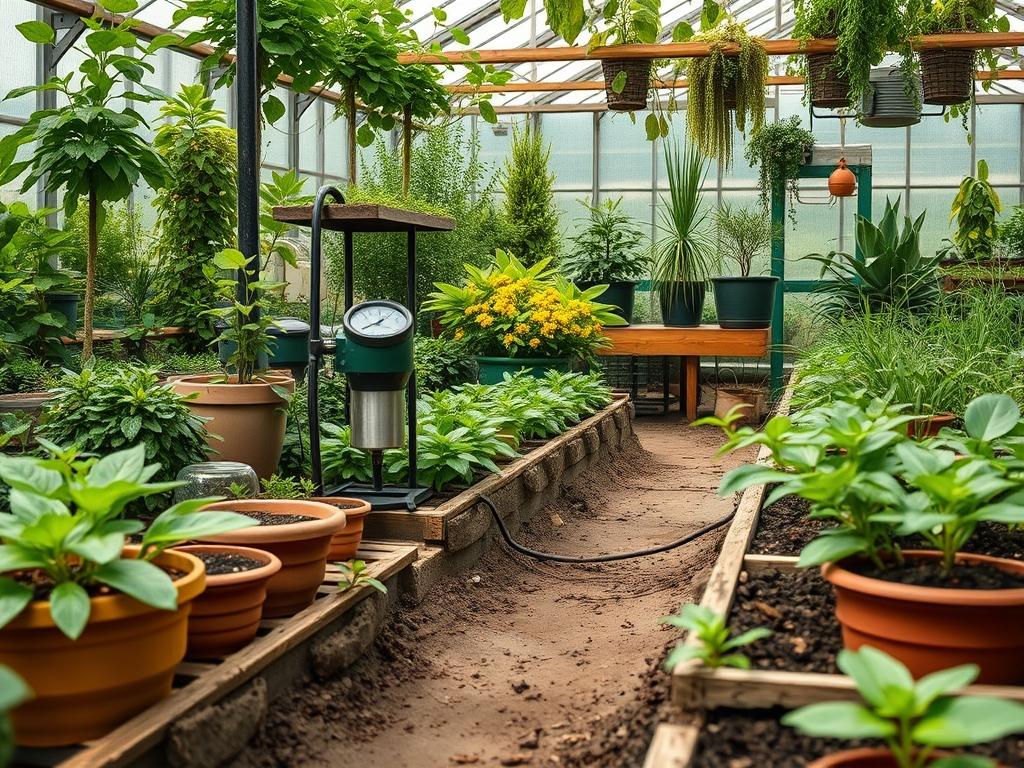
Achieving a magazine quality landscape requires more than just high quality soil and expensive nursery stock. It demands a sophisticated understanding of how nutrients are delivered to the root zone over time. Most residential gardens suffer from a cycle of feast and famine; homeowners apply granular fertilizer, wait for rain to activate it, and then watch as much of the nitrogen leaches away during heavy downpours. This inconsistency leads to erratic growth patterns and weakened plant immunity. To achieve the lush, deep green results seen in professional botanical gardens or high end resorts, the integration of Smart Fertilizer Injectors into the existing irrigation system is the most effective solution. These devices, known as fertigation systems, turn every watering cycle into a precise feeding session. By automating the delivery of nutrients, a landscape architect ensures that the curb appeal of a property remains consistent regardless of the local climate or soil quality fluctuations.
Landscape Design Principles
A successful landscape begins with a robust structural framework that guides the eye and provides functional utility. Symmetry often serves as the anchor for formal designs; paired Emerald Green Arborvitae or identical Concrete Planters flanking an entrance create an immediate sense of order. However, visual balance does not always require identical sides. Asymmetrical balance uses different elements of similar visual weight, such as a large Multi-trunk River Birch on one side of a lawn balanced by a dense cluster of Hydrangeas and a stone Retaining Wall on the other.
Focal points are the heart of any outdoor environment, serving as the destination for the viewer’s gaze. These might include an ornate Water Feature, a sculptural Japanese Maple, or a sophisticated Outdoor Fire Pit. To support these focal points, elevation layers must be carefully planned. This involves transitioning from low foliage, such as Creeping Phlox, through mid sized shrubs, and finally up to a high canopy of Oak or Maple trees.
Integrating Smart Fertilizer Injectors at the design phase allows the irrigation planning to be more granular. Instead of a one size fits all approach, architects can zone the property by nutrient demand. A vegetable garden requires different nitrogen levels than a patch of Kentucky Bluegrass, and a smart system can adjust the injection rate based on the specific zone being watered. Walkways should be designed to bridge these zones, using materials like Flagstone or Decomposed Granite to provide a tactile experience while preventing soil compaction in the surrounding beds.
Plant and Material Selection
| Plant Type | Sun Exposure | Soil Needs | Water Demand | Growth Speed | Maintenance Level |
| :— | :— | :— | :— | :— | :— |
| Dwarf Boxwood | Full to Partial | Well-drained, Loamy | Moderate | Slow | Medium (Requires Pruning) |
| Purple Coneflower | Full Sun | Poor to Average | Low | Fast | Low (Drought Tolerant) |
| Hostas | Full Shade | Rich, Organic | High | Medium | Low |
| Blue Star Juniper | Full Sun | Sandy, Dry | Very Low | Slow | Very Low |
| Japanese Forest Grass| Partial Shade | Moist, Humus-rich | High | Medium | Medium |
| Lavender | Full Sun | Gritty, Alkaline | Low | Medium | High (Needs Drainage) |
Implementation Strategy
The transition from a design on paper to a living environment requires a methodical implementation strategy. The process begins with professional grading, which ensures that the finished grade slopes away from the home at a minimum of 2 percent. This prevents moisture from pooling near the foundation. Once the land is shaped, the installation of the main line for the irrigation system takes place. This is the critical moment to install the Smart Fertilizer Injector. The injector is typically plumbed into the main line after the Backflow Preventer to ensure that no fertilizer can ever siphon back into the potable water supply.
After the irrigation and fertigation hardware are in place, focus shifts to hardscaping. Retaining walls should be constructed using Pressure Treated Timbers or Interlocking Concrete Blocks, backed by a layer of Crushed Gravel and a perforated French Drain to manage hydrostatic pressure. Once the bones of the garden are set, planting can begin.
When installing plants, use a high quality Organic Compost to backfill the holes, which should be twice as wide as the root ball. For large scale layouts, maintaining a consistent 3 inch depth of mulch is vital for moisture retention and weed suppression. Use Triple-shredded Hardwood Mulch for slopes, as it knits together and resists washing away during storms. Once the plants are in the ground, calibrate the Smart Fertilizer Injector to a low, consistent setting. This constant spoon feeding of nutrients helps plants recover from transplant shock much faster than traditional methods.
Common Landscaping Failures
The most frequent failure in high end landscaping involves poor drainage management. When water stagnates, it deprives roots of oxygen, leading to root rot and the eventual death of the plant. Even with the best Smart Fertilizer Injectors, an anaerobic soil environment will prevent the plant from absorbing any delivered nutrients. Furthermore, many DIY projects suffer from root overcrowding. It is tempting to plant shrubs close together for an immediate full look, but within three years, these plants will compete for resources and lose their lower foliage due to a lack of light.
Improper spacing and soil compaction are silent killers. Heavy foot traffic or the use of heavy machinery during construction can crush the air pockets in the soil, making it impossible for roots to expand. To remedy this, use Core Aeration before applying any top dressings. Irrigation inefficiencies also plague many yards, specifically the use of overhead sprays in windy areas. This results in significant water loss and uneven nutrient distribution. Moving to Drip Irrigation combined with a fertigation system ensures that every drop of water and milligram of fertilizer reaches the soil directly, reducing waste and preventing leaf fungus.
Seasonal Maintenance
Landscape management is a year round commitment that changes with the tilt of the earth. In the Spring, the focus is on awakening the garden. This involves removing winter debris, applying a fresh layer of Bark Mulch, and checking the Smart Fertilizer Injector for clogs. This is the optimal time to set the injector to a higher nitrogen ratio to support the flush of new green growth.
During the Summer, the priority shifts to hydration and pest management. Monitor irrigation clocks to ensure they are keeping up with the heat index. Because Smart Fertilizer Injectors provide nutrients during every watering, plants remain resilient against heat stress. Proper edging with a Spade or Power Edger keeps the lawn from encroaching on the garden beds, maintaining a sharp, professional aesthetic.
Autumn is for preparation and planting. The soil is still warm, but the air is cool, making it the perfect time to install new trees or perennials. Adjust the fertigation mix to a lower nitrogen and higher potassium formula to encourage root development and cellular strength rather than new foliage. Finally, in Winter, the focus is on protection. Ensure that the Smart Fertilizer Injector is drained and winterized to prevent frost damage to the internal seals. Apply Wilt-Pruf to evergreens to prevent desiccation from harsh winter winds.
Professional Landscaping FAQ
How does a fertilizer injector save money?
It reduces waste by delivering nutrients directly to roots. You avoid the runoff common with granular applications. Over time, the improved health of the plants reduces the need for expensive replacements and chemical pest treatments due to increased natural plant immunity.
Can I use any fertilizer in my smart injector?
No, you must use high quality, water soluble or liquid fertilizers. Formulas designed for fertigation are filtered to remove impurities that might clog the injector mechanism or the small emitters in a drip irrigation system.
Do these systems require a lot of electricity?
Many modern injectors are water powered, using the flow of the irrigation water to drive the piston that pulls the fertilizer into the line. Electronic models require very little power, often running on a standard 110V outlet or even battery packs.
Will the fertilizer stain my stone walkways?
If the system is calibrated correctly and used with professional grade liquid nutrients, staining is rare. However, it is a best practice to keep irrigation spray heads aimed at the soil and foliage rather than directly onto porous stone surfaces.
How often should I refill the fertilizer tank?
This depends on the size of your landscape and the injection rate. Typically, a 20 gallon tank can last an average residential property between four and eight weeks during the peak growing season, providing effortless, automated nourishment for the entire yard.