
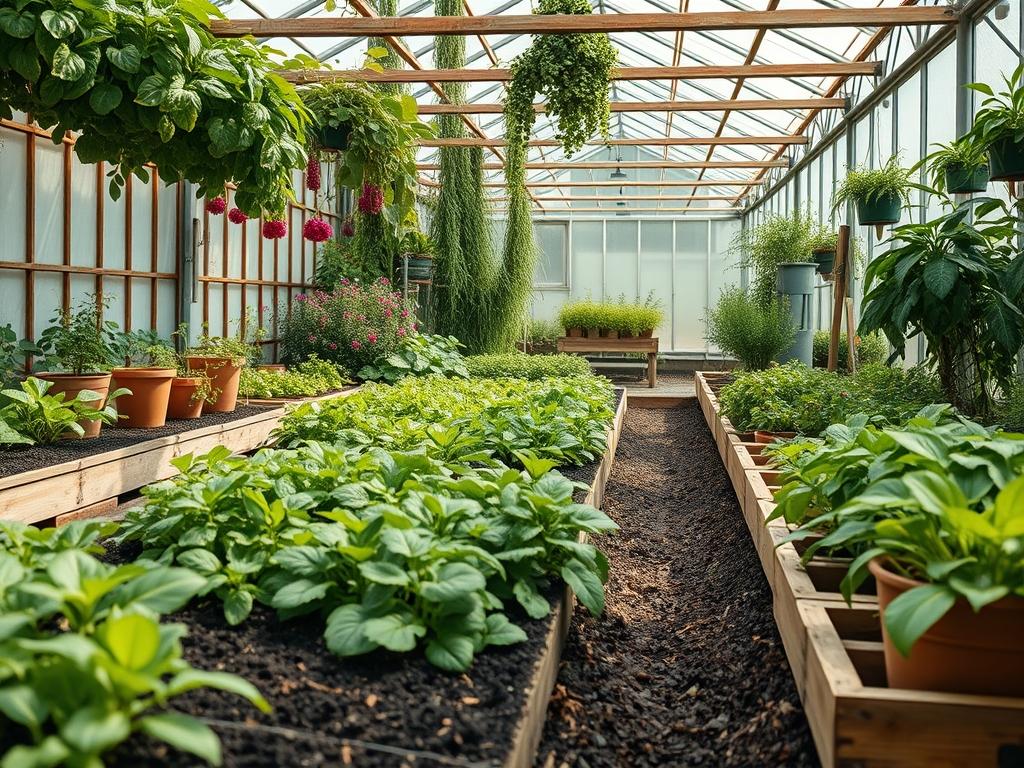
The integration of high-level technology into modern exterior spaces marks a significant shift in how we approach residential design and property management. For the contemporary homeowner, landscaping is no longer a static collection of flora and hard surfaces; it is a dynamic environment that responds to real-time data and verbal commands. Modern Voice-Activated Garden Tech allows for a seamless bridge between interior comfort and outdoor utility, transforming the backyard into an extension of the smart home ecosystem. However, implementing these systems requires a deep understanding of landscape architecture, local microclimates, and the logistical demands of outdoor infrastructure. Achieving high curb appeal while maintaining a complex network of sensors, valves, and controllers necessitates a disciplined planning phase where functionality meets aesthetics.
Smart assistants have redefined the outdoor functionality goals for high-end estates. Instead of manually adjusting irrigation controllers or flipping heavy switches for floodlights, users can now manage their entire ecosystem through intuitive voice prompts. This shift addresses the primary landscaping challenge of the modern era: the battle against time and resource wastage. Climate considerations play a massive role here, as voice-integrated weather stations can override scheduled watering during unexpected rain, preserving both the health of the plants and the integrity of the soil. By focusing on a tech-forward approach, property owners can ensure that their investment remains resilient against environmental stressors while offering a level of convenience that was once reserved for high-budget commercial installations.
Landscape Design Principles
Effective landscape design begins with the concept of “smart zones.” These zones are defined by their specific environmental needs and their proximity to the central smart hub. Symmetry remains a cornerstone of professional aesthetics, but in a smart garden, it must be balanced with the range of your Wi-Fi extenders or Bluetooth mesh networks. When planning focal points, such as a natural stone fountain or a sculptural maple, consider the placement of outdoor smart speakers. These devices should be tucked into the landscape to provide immersive sound without disrupting the visual flow or the structural balance of the garden.
Elevation layers offer a unique opportunity for both visual depth and technical optimization. By utilizing retaining walls built from interlocking concrete blocks, designers can create distinct tiers that separate moisture-loving plants from drought-tolerant species. This stratification allows for more efficient irrigation planning, where voice-activated zones are grouped by water demand. Walkways should be constructed with permeable pavers to facilitate natural drainage while hiding low-voltage cabling beneath the surface. This ensures that the infrastructure for your Voice-Activated Garden Tech remains invisible, maintaining the purity of the design while providing robust functionality.
Plant and Material Selection
Choosing the right biological components is essential for a garden that responds well to automated care. The following table outlines plants that thrive in a managed smart environment.
| Plant Type | Sun Exposure | Soil Needs | Water Demand | Growth Speed | Maintenance Level |
| :— | :— | :— | :— | :— | :— |
| English Lavender | Full Sun | Well-drained sandy | Low | Medium | Low |
| Boxwood Shrub | Partial Shade | Loamy, pH neutral | Moderate | Slow | High (Pruning) |
| Hostas | Full Shade | Moist, rich soil | High | Medium | Low |
| Dwarf Fountain Grass | Full Sun | Adaptable | Low | Fast | Medium |
| Japanese Maple | Dappled Sun | Acidic, moist | Moderate | Slow | Medium |
| Creeping Thyme | Full Sun | Gritty, poor soil | Low | Fast | Low |
In addition to flora, the selection of materials like mulch, crushed granite, and shredded cedar impacts the longevity of your sensors. Organic mulch should be applied at a 3-inch depth to retain moisture, which helps smart soil sensors provide more accurate readings. If your soil is primarily clay, incorporating perlite or gypsum can improve aeration, allowing the roots of your Boxwood or Lavender to breathe, even when the automated irrigation is active.
Implementation Strategy
Implementing a voice-activated landscape requires a step-by-step approach that prioritizes the “skeleton” of the garden before the “skin” is applied. Begin with grading the entire area to ensure a 2-percent slope away from the home foundation. This prevents water from pooling around electrical transformers or smart hubs. Once the grade is established, map out your hardscaping elements. Install steel edging or plastic benders to define the boundaries of your beds and paths, creating a clean visual break that simplifies maintenance.
The next phase involves the installation of the irrigation and lighting backbone. Use 1-inch PVC piping for main lines and 12-gauge wire for lighting runs. When connecting your Voice-Activated Garden Tech, ensure all connections are housed in IP65-rated waterproof enclosures. Dig trenches at least 12 inches deep to protect the lines from accidental damage during future aeration. After the hardware is in place, apply the mulch and plant your specimens according to their mature width to avoid future overcrowding. Finally, sync your smart controller with your assistant of choice, naming zones logically, such as “Main Lawn” or “Rose Garden,” for easy voice recall.
Common Landscaping Failures
The most frequent mistake in smart landscaping is poor drainage management. If water accumulates near low-voltage lighting or smart valves, the moisture can cause short circuits or corrode the sensitive internal components. Another common failure is root overcrowding. Many homeowners plant shrubs too close to the foundation or to each other, leading to stunted growth and restricted air circulation. Over time, these roots can even disrupt underground conduit or drainage pipes, leading to expensive repairs.
Improper spacing also affects the accuracy of Voice-Activated Garden Tech. For instance, if a soil moisture sensor is placed too close to a large root ball, it may read the localized dryness of the root zone rather than the overall moisture level of the bed. Soil compaction is another silent killer; when soil is packed too tightly by heavy foot traffic or machinery, it restricts the movement of water and nutrients. This results in irrigation inefficiencies where water runs off the surface instead of penetrating to the roots, rendering even the most advanced smart watering schedule useless.
Seasonal Maintenance
A smart garden requires proactive care across all four seasons. In the spring, begin by calibrating your smart sensors and checking for any line breaks caused by winter frost heaving. Clear any debris from drainage grates and re-edge your beds using a half-moon edger. This is also the time to apply a fresh 2-inch layer of mulch to suppress weeds before the growing season hits its peak.
Summer focus shifts to heat management and irrigation monitoring. Use your voice commands to trigger extra watering cycles during heatwaves, but keep an eye on the transpiration rates of your larger trees. In autumn, leaf removal is critical. Dead foliage can trap moisture against the stems of your perennials and clog irrigation emitters. Winter landscape management involves “winterizing” your systems. Drain all water from PVC pipes to prevent bursting and switch your Voice-Activated Garden Tech to a dormant mode. Protect sensitive valves with insulated covers and bring any non-weatherproof portable tech indoors to ensure it survives the freezing temperatures.
Professional Landscaping FAQ
How do I hide smart landscape wires safely?
Bury 12-gauge outdoor wire or ethernet cables at least 6 inches deep inside PVC conduit. This protects the lines from shovels, aerators, and pests while maintaining a clean, professional aesthetic across your garden beds and walkways.
Will voice-activated tech work in heavy rain?
Most professional-grade smart controllers and outdoor speakers feature IP65 ratings or higher, rendering them waterproof. However, significant rainfall can interfere with voice recognition accuracy; ensure your smart assistant microphones are shielded by a eave or porch roof.
Can I retrofit old irrigation with voice tech?
Yes. You can replace an existing manual irrigation timer with a smart WiFi-enabled controller. Ensure the new unit is compatible with your current solenoid valves and has enough zones to cover your entire landscape design.
What is the best mulch for smart gardens?
Triple-shredded hardwood mulch is ideal because it stays in place and decomposes slowly. It provides a stable environment for soil sensors without shifting significantly during heavy winds or high-pressure irrigation cycles, unlike lighter pine nuggets.
How do I prevent “dead zones” in the yard?
Install outdoor-rated WiFi extenders or mesh nodes housed in weatherproof junction boxes. Proper placement of these nodes ensures your Voice-Activated Garden Tech receives a strong signal, even at the furthest reaches of the property line.