
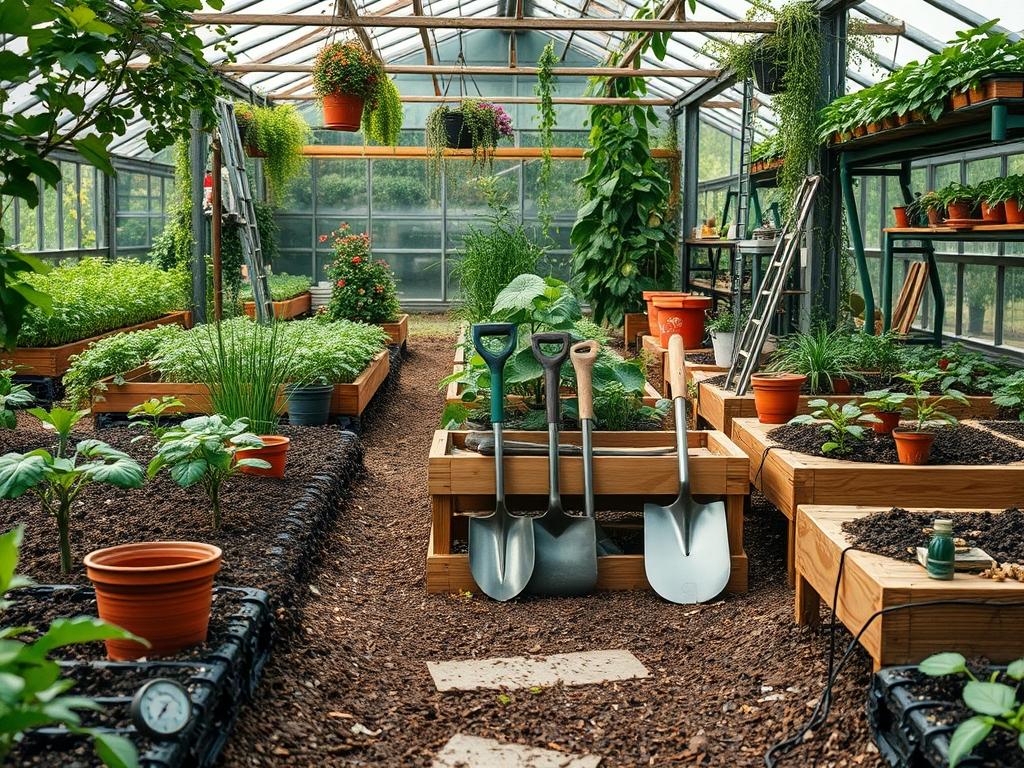
The traditional garden shed has undergone a significant architectural transformation, evolving from a cluttered wooden box into a sophisticated command center for the modern landscape. As homeowners invest in expensive battery-powered equipment and robotic mowers, the need for a high-tech Smart Garden Tool Storage space has become a priority for high-end residential design. Integrating these structures requires more than a simple level patch of ground; it demands a comprehensive understanding of site drainage, thermal regulation, and aesthetic synergy with the existing backyard environment. A poorly placed storage unit can disrupt the visual flow of a garden or, worse, lead to the premature failure of expensive electronics due to moisture ingress or extreme temperature fluctuations. To achieve a professional result, the designer must weigh the functional requirements of smart technology against the organic needs of the surrounding flora, creating a hub that is both a technical asset and a beautiful focal point.
Climate considerations play a pivotal role in the placement and construction of these high-tech hubs. In humid environments, airflow is essential to prevent the buildup of condensation inside the unit, while in arid regions, the structure must be shielded from intense solar gain to protect Lithium-Ion Batteries. Curb appeal is also a primary factor. A massive, industrial-looking shed can diminish the value of a property if it is not softened by strategic plantings and thoughtful material choices. By treating the storage space as a mini-architectural project, a landscape consultant ensures that it harmonizes with the home’s exterior, utilizing similar textures and colors to create a cohesive outdoor living experience. This approach turns a utilitarian necessity into a streamlined component of the smart home ecosystem, emphasizing efficiency without sacrificing the natural beauty of the garden.
Landscape Design Principles
Symmetry and proportion serve as the foundation for any successful storage integration. When placing a Smart Garden Tool Storage unit, it should be framed within the context of the larger site plan. Utilizing a Focal Point strategy ensures the structure feels intentional rather than accidental. For instance, aligning the doors with a primary garden path or a central axis of the home creates a sense of arrival. If the structure is large, designers often use Elevation Layers to reduce its visual weight. This involves placing lower-growing shrubs in the foreground and taller perennials or ornamental trees in the background, effectively nesting the building into the landscape.
Walkways are another critical design element. A smart garden hub is useless if it is inaccessible during wet weather. Designers should specify Permeable Pavers or a high-quality Crushed Stone Path to provide a stable, well-drained surface for heavy equipment like aerators or power mowers. Furthermore, irrigation planning must be handled with precision. It is vital to ensure that Rotating Sprinkler Heads are not directed toward the structure, as constant water exposure can interfere with smart locks, camera systems, and Wi-Fi extenders. Instead, use a Drip Irrigation System wrapped around the perimeter of the shed to hydrate the surrounding garden beds without endangering the technology within. Visual balance is achieved by mimicking the eaves or siding of the main house, perhaps incorporating a Green Roof to further blend the structure into the overhead canopy.
Plant and Material Selection
The materials used for a smart storage space must be durable and weather-resistant to protect the internal hardware. Fiber Cement Siding or Thermally Modified Wood are excellent choices for the exterior, as they resist rot and warping. The following table provides a guide for the types of plants and materials that complement these high-tech installations while maintaining the health of the surrounding ecosystem.
| Plant or Material Type | Sun Exposure | Soil Needs | Water Demand | Growth Speed | Maintenance Level |
| :— | :— | :— | :— | :— | :— |
| Boxwood (Buxus) | Full to Part Sun | Well-drained | Moderate | Slow | Medium (Requires Pruning) |
| Liriope Muscari | Full Sun to Shade | Adaptable | Low | Moderate | Very Low |
| Japanese Maple | Filtered Shade | Slightly Acidic | Moderate | Slow | Low to Medium |
| Ornamental Grass | Full Sun | Sandy/Loamy | Low | Fast | Low (Annual Cutback) |
| River Jack Stones | N/A | High Drainage | None | N/A | None |
| Composite Decking | N/A | Stable Sub-base | None | N/A | Low (Cleaning only) |
Implementation Strategy
The process begins with precise site grading. Before any materials arrive, the area must be excavated to a depth of at least 8 inches to allow for a proper foundation. A layer of Geotextile Fabric should be laid down first to prevent weeds and soil migration, followed by a 4-inch base of Compacted Gravel. This ensures that the Smart Garden Tool Storage unit remains level and prevents the floor from rotting or the smart sensors from becoming misaligned over time. Proper drainage is non-negotiable; a French Drain may be necessary if the unit is located at the bottom of a slope to divert runoff away from the electronic components.
Once the foundation is set, the hardscaping elements are installed. This includes Metal Edging to define the garden beds and the application of a 3-inch layer of Organic Mulch. Mulching is essential not only for aesthetic reasons but also to maintain soil moisture for the surrounding plants and to prevent soil from splashing onto the sides of the storage unit during rainstorms. For the interior, ensure that 12-gauge Wiring is installed by a certified professional to support high-speed chargers and integrated lighting. The final step involves the installation of a Wi-Fi Mesh Node within or near the structure to ensure that all smart tools can receive firmware updates and communicate with the central home automation hub.
Common Landscaping Failures
One of the most frequent mistakes in storage design is poor airflow management. If a structure is packed too tightly against a fence or surrounded by dense evergreen hedges without a gap, moisture becomes trapped, leading to mold and the eventual failure of the Smart Locks and sensors. Designers must maintain a minimum of 18 inches of clearance between the structure and any dense vegetation to allow for natural ventilation. Root overcrowding is another issue. Planting large-canopy trees too close to the storage foundation can lead to root intrusion, which may eventually crack the concrete pad or buckle the flooring.
Soil compaction is often overlooked during the construction phase. Heavy machinery used to move the storage unit into place can crush the soil structure, leading to poor drainage and “drowning” the roots of nearby plants. To fix this, the area should be aerated after installation and amended with Organic Compost. Finally, irrigation inefficiencies are common; many homeowners forget to adjust their Smart Sprinkler Controllers for the new structure, resulting in “dead zones” behind the shed where plants receive no water, or “swamp zones” where water pools against the foundation.
Seasonal Maintenance
In the spring, the focus should be on the technical health of the hub. Check the seals around Weather-Resistant Outlets and test the battery health of any stored equipment. Prune any winter damage from the surrounding Boxwoods to keep the entryways clear. Summer requires monitoring the internal temperature of the storage unit. If the interior exceeds 95 degrees Fahrenheit, consider installing a solar-powered exhaust fan to protect the electronics. Ensure that the Drip Irrigation system is functioning correctly as temperatures rise to prevent the perimeter plants from wilting.
Autumn is the season for debris management. Clear leaves from the roof and gutters of the Smart Garden Tool Storage hub to prevent moisture traps. This is also the time to apply a fresh layer of Bark Mulch to insulate the roots of the surrounding landscape before the first frost. In winter, maintenance shifts to snow removal and moisture control. If the unit is located in a snowy climate, ensure the entryway is kept clear to prevent ice dams from forming against the door seals. Check the Smart Sensors for battery life, as cold weather can significantly decrease the performance of wireless devices.
Professional Landscaping FAQ
How do I ensure my smart storage has a reliable internet signal?
Install an outdoor-rated Wi-Fi extender or a mesh node within 30 feet of the structure. Use Cat6 Ethernet cable buried in a PVC conduit for the most stable connection to your home’s main router.
What is the best foundation for a high-tech garden tool shed?
A Reinforced Concrete Slab at least 4 inches thick provides the most stability. For a more permeable option, a Compacted Crushed Stone Base with a heavy-duty timber frame is ideal for drainage.
Can I run high-voltage power to a smart storage unit safely?
Yes, but you must use UF-B Rated Cable or wires inside a Rigid Conduit buried at least 18 inches deep. Always consult a licensed electrician to meet local building codes and safety standards.
How do I hide a large storage unit without blocking access?
Use a combination of Lattice Trellises with climbing vines and Tiered Plantings. Place Tall Ornamental Grasses on the sides to soften the corners while keeping the front entrance clear for easy equipment removal.
What are the best materials for a low-maintenance storage hub?
Select Composite Siding, Powder-Coated Aluminum, or Galvanized Steel. These materials resist pests and weather damage better than traditional wood, reducing the need for painting or staining while protecting your Smart Garden Tool Storage investments.