
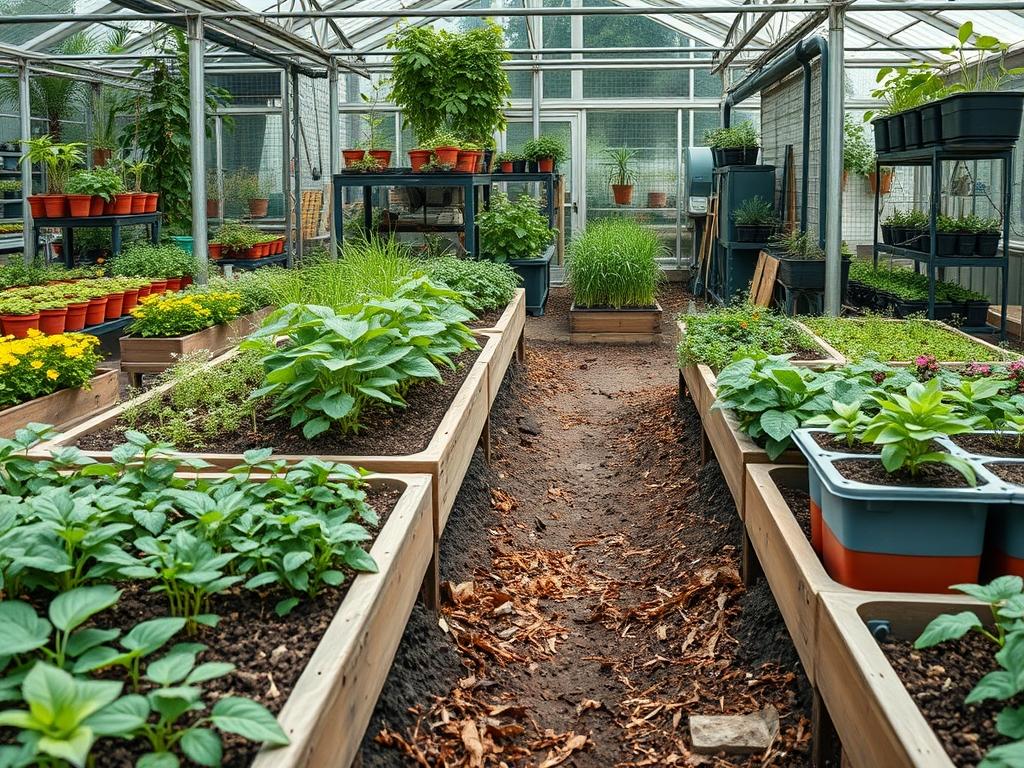
The field of landscape architecture is undergoing a fundamental transformation as the industry shifts from intuitive gardening to data-driven environmental management. For decades, the most significant challenge in outdoor design was the inherent unpredictability of biological systems. Designers would select species based on hardiness zones and average rainfall, but the precise timing of a garden’s maturity remained elusive. Today, the integration of AI Plant Growth Models allows consultants to move beyond guesswork. By leveraging massive datasets that include soil chemistry, historical weather patterns, and genetic growth curves, these models can predict harvest dates and peak flowering windows with 99% accuracy. This technological leap ensures that curb appeal is not merely a seasonal fluke. Rather, it is a programmed outcome that aligns with functional outdoor goals and long-term property value.
Predictive modeling in landscaping functions by analyzing the complex relationship between a plant and its microclimate. For a senior consultant, this means being able to visualize the transition of a landscape across a twenty year timeline. We no longer just plant a Red Maple and hope it provides shade for the patio within a decade. Instead, we use AI Plant Growth Models to simulate the tree’s canopy expansion based on specific nitrogen availability and localized wind patterns. This level of precision facilitates the creation of outdoor environments that are both aesthetically balanced and structurally sound from the moment of installation. It allows us to manage expectations for homeowners and commercial developers alike, providing a roadmap for growth that accounts for every variable from irrigation cycles to pest cycles.
Landscape Design Principles
Symmetry and visual balance serve as the foundation of any sophisticated landscape. When we approach a new project, we prioritize the creation of focal points that draw the eye toward architectural features or natural vistas. Using AI Plant Growth Models, we can determine the exact spatial requirements for these focal points as they mature. A common mistake in traditional design is placing a Spruce or Oak tree too close to a structure, failing to account for its future radius. The AI allows us to simulate the “mature state” of the garden, ensuring that symmetry is maintained even as the plants double or triple in size.
Elevation layers are another critical component of modern design. By utilizing retaining walls constructed from natural stone or interlocking concrete blocks, we can create distinct tiers that add depth to a flat yard. These tiers serve more than an aesthetic purpose; they assist in drainage management and soil retention. We often combine these structural elements with berms to create privacy screens. Strategic layering involves placing taller evergreens at the back, followed by mid-sized deciduous shrubs, and finishing with low-lying perennials at the border. This “stair-step” approach ensures that every plant receives adequate sunlight, a factor that AI Plant Growth Models can optimize by calculating the shadow cast by each layer during different months of the year.
Irrigation planning has evolved from simple sprinkler timers to integrated smart systems. We now design drip irrigation layouts that are zoned according to the specific water demands of different plant clusters. By using sensors that feed data into growth models, the system can adjust flow rates in real-time. If the model predicts an early harvest or bloom period due to an unseasonably warm spring, the irrigation system increases the delivery of water to support the accelerated metabolic rate. This prevents the physiological stress that often leads to stunted growth or poor curb appeal.
Plant and Material Selection
The success of any landscape depends on selecting the right biological components for the specific site conditions. We evaluate soil through professional testing to determine pH levels and nutrient density before a single hole is dug.
| Plant Type | Sun Exposure | Soil Needs | Water Demand | Growth Speed | Maintenance Level |
| :— | :— | :— | :— | :— | :— |
| Boxwood Shrub | Full Sun to Part Shade | Well-drained loam | Moderate | Slow | Low |
| Lavender | Full Sun | Sandy, alkaline | Low | Medium | Medium |
| Hostas | Full Shade | Rich, moist | High | Medium | Low |
| Fescue Grass | Part Shade | Variable | Moderate | Fast | High |
| Serviceberry | Full Sun | Acidic, moist | Moderate | Medium | Low |
| Hydrangea | Part Shade | Moist, porous | High | Fast | Medium |
| Blue Star Creeper | Full Sun | Neutral | Moderate | Medium | Low |
Once the plants are selected, the choice of mulch and hardscape materials becomes the next priority. We recommend a mulch depth of exactly 3 inches to suppress weeds and retain moisture. Organic options like shredded hardwood improve soil quality over time, while inorganic options like river rock or pea gravel offer a permanent, maintenance-free solution for modern, minimalist designs.
Implementation Strategy
The transition from a design on paper to a physical landscape requires a disciplined implementation strategy. The process begins with professional grading. Using a laser level, we ensure a minimum 2% slope away from the home’s foundation to prevent water pooling. This is the most critical step; if the grade is incorrect, no amount of high-quality planting can save the landscape from future water damage.
After grading, we install the hardscaping elements. This includes laying flagstone pathways, building retaining walls, and setting paver patios. We use polymeric sand in the joints of pavers to prevent weed growth and ensure the surface remains stable during freeze-thaw cycles. Once the “bones” of the garden are in place, we focus on edging. Galvanized steel edging or heavy-duty composite strips are used to create crisp lines between the lawn and the planting beds. This prevents grass from encroaching on the mulch and provides a professional, finished look.
The planting phase follows a specific order: trees first, then shrubs, then groundcovers. We augment the planting holes with compost and mycorrhizal fungi to encourage rapid root establishment. Each plant is positioned according to the growth model’s spacing recommendations to prevent root overcrowding. Finally, the irrigation lines are buried and tested, followed by the application of the final layer of mulch to insulate the new root systems.
Common Landscaping Failures
The most frequent failure in residential landscaping is poor drainage. Homeowners often overlook the way water moves across their property, leading to “wet feet” for sensitive plants and even foundation erosion. A properly designed French drain or a dry creek bed can solve these issues by channeling excess runoff to a designated rain garden or municipal storm drain. Without these interventions, stagnant water becomes a breeding ground for mosquitoes and root rot pathogens.
Another common mistake is root overcrowding. It is tempting to plant items close together to achieve an “instant” full look for curb appeal. However, plants that are spaced too tightly will eventually compete for light and nutrients. This competition weakens the specimens and makes them more susceptible to disease. Similarly, soil compaction caused by heavy foot traffic or construction equipment prevents oxygen from reaching the roots. We use aeration tools and soil conditioners like perlite or gypsum to restore the soil structure in high-traffic areas.
Improper irrigation also ranks high on the list of failures. Over-watering is just as damaging as under-watering. When we see “leaf burn” or yellowing foliage, it is often a sign that the root system is suffocating in saturated soil. AI Plant Growth Models act as a safeguard here; they tell us exactly how much water a specific boxwood or hydrangea needs based on the current leaf area index and evaporation rates.
Seasonal Maintenance
A landscape is a living entity that requires different interventions as the seasons change. In the spring, the focus is on renewal. This involves removing winter debris, applying a fresh 3-inch layer of mulch, and performing “dormant pruning” on certain deciduous shrubs. We also test the irrigation system for leaks and recalibrate the timers for the upcoming growing season.
Summer maintenance is primarily about water management and pest control. As temperatures rise, we monitor for signs of heat stress. If the AI Plant Growth Models indicate a period of extreme drought, we increase the deep-watering frequency for large trees. We also keep a close eye on Japanese Beetles or Aphids, using integrated pest management techniques to keep populations in check without harming beneficial pollinators.
Autumn is the time for preparation and planting. The cooling soil temperatures are ideal for root growth, making it the best time to install new trees or perennials. We also perform “fall clean-up,” which involves cutting back dying foliage and applying a late-season fertilizer rich in potassium to strengthen the plants for winter.
Winter is a period of structural assessment. With the leaves gone, we can clearly see the “architecture” of the trees and shrubs. This is the time to remove dead or crossing branches that could cause issues during high winds or heavy snow. We also check retaining walls and hardscape for any shifting caused by frost heave, ensuring the landscape remains safe and functional until spring returns.
Professional Landscaping FAQ
How do AI Plant Growth Models predict harvest dates?
These models analyze Growing Degree Days, which represent the accumulation of heat over time. By comparing real-time temperature data against a plant’s known genetic requirements, the AI calculates the exact moment of maturity with high statistical precision.
Why is drainage more important than plant selection?
Even the hardiest plants cannot survive in anaerobic, waterlogged soil. Proper drainage prevents root rot and structural damage to the home. It is the fundamental infrastructure upon which all successful landscape designs are built.
What is the best way to prevent weeds permanently?
Permanent weed prevention requires a multi-layered approach. We combine professional-grade landscape fabric, a consistent 3-inch layer of mulch, and steel edging to create a physical barrier that prevents weed seeds from germinating in the soil.
How often should I calibrate my irrigation system?
You should inspect and calibrate your system at least twice a year. Adjustments are necessary in the spring to account for new growth and in the autumn to prepare the pipes for freezing temperatures and reduced water needs.
Can AI models help with small residential gardens?
Yes, AI modeling scales to any size. For small gardens, it helps maximize limited space by predicting exactly how much room each plant needs at maturity. This prevents overcrowding and ensures the long-term health of the entire environment.