
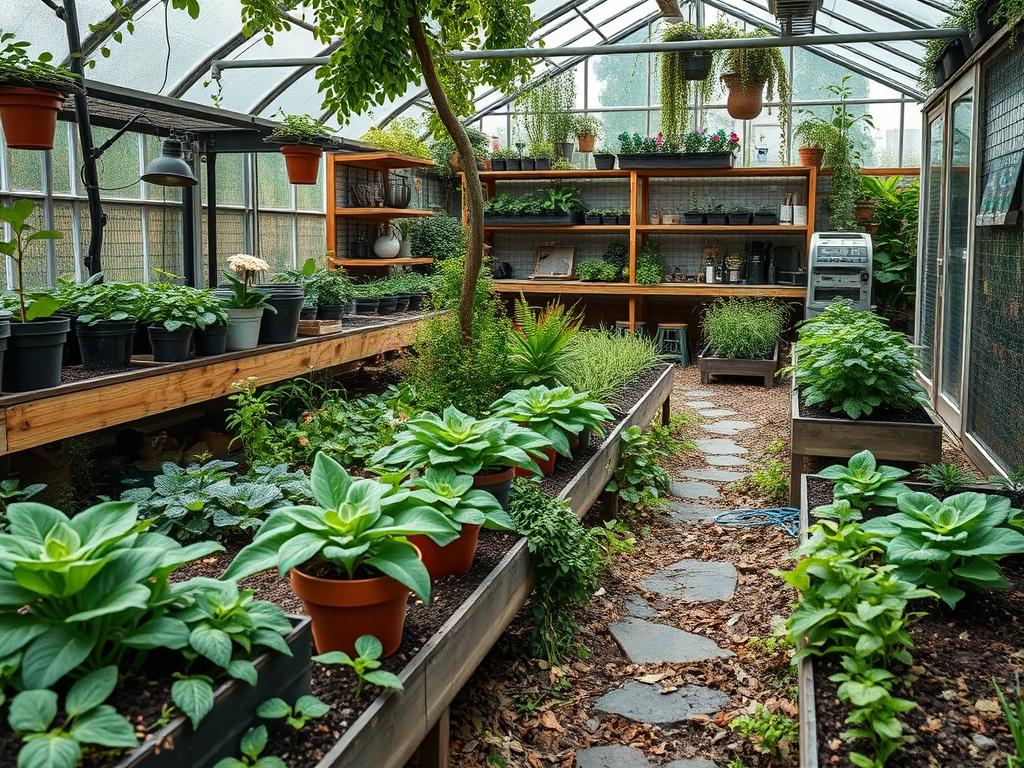
Landscaping a modern estate requires more than a simple aesthetic eye; it demands a comprehensive understanding of site engineering, horticultural science, and spatial psychology. Many property owners approach garden planning as a decorative afterthought, yet the most successful outdoor environments function as seamless extensions of the primary architecture. Achieving this level of integration necessitates meticulous site analysis, where factors like prevailing wind patterns, solar orientation, and existing soil structure dictate the viability of the project. A well executed landscape increases curb appeal and property value while simultaneously providing ecological benefits such as heat island reduction and stormwater management. Using a digital drafting tool like Smart Garden Design Pro allows designers to simulate these complex variables accurately, ensuring that the final physical installation mirrors the intended conceptual vision without the costly errors associated with manual estimation.
The challenge of modern landscape architecture lies in the balance between immediate impact and long term sustainability. We often see homeowners prioritize the “instant garden” look, which leads to overcrowding and future maintenance nightmares. Instead, professional planning focuses on the maturation of the space over a five to ten year horizon. This involves calculating the mature spread of deciduous trees and the aggressive nature of certain groundcovers. By utilizing Smart Garden Design Pro to map out these growth trajectories, you can visualize how a 15-gallon sapling will eventually dominate the canopy and provide necessary shade for understory perennials. This predictive modeling is essential for creating an outdoor living space that evolves gracefully rather than becoming an overgrown thicket that obscures the home’s architectural features.
Advanced Landscape Design Principles
Symmetry and proportion serve as the foundation of professional garden planning. Whether you are aiming for a formal French garden or a more relaxed Mediterranean aesthetic, the human eye seeks a sense of order. Focal points, such as a custom water feature or a large Granite Boulder, should be strategically placed to draw the eye through the environment. These elements act as anchors, grounding the softer textures of the surrounding foliage. Smart Garden Design Pro helps in establishing these sightlines by allowing users to toggle between bird’s-eye views and pedestrian perspectives, ensuring that the transition between different “rooms” of the garden feels intuitive and balanced.
Elevation layers constitute the vertical dimension of the landscape. A flat yard often feels uninspired, so designers search for ways to introduce varied heights. This can be achieved through the installation of a Timber Retaining Wall or by creating berms that add gentle undulations to the terrain. These changes in elevation do more than just add visual interest; they provide opportunities for distinct microclimates. Higher ground might offer the drainage required for Lavender or Agave, while lower, moisture-collecting areas can support lush Ferns or Hostas. Furthermore, planning your Irrigation System around these elevation changes is critical. You must account for gravity and pressure loss to ensure that water reaches the highest points of the property with sufficient flow.
Visual balance also concerns the weight of materials. Heavy hardscaping, such as Flagstone Pavers or Concrete Retaining Blocks, must be countered by the airiness of ornamental grasses or the fine texture of needles from a Deodar Cedar. When the hardscape dominates the softscape, the environment can feel sterile and uninviting. Conversely, a garden with too little structure lacks definition during the winter months when deciduous plants lose their leaves. Achieving the perfect ratio ensures year-round interest and functional utility, particularly when designing walkways. A primary path should be at least 48 inches wide to allow two people to walk side-by-side comfortably, a detail often overlooked in amateur sketches but easily refined within the Smart Garden Design Pro interface.
Plant and Material Selection
Choosing the right components for your landscape involves cross-referencing aesthetic goals with the hard realities of your local USDA hardiness zone. The following table provides a breakdown of common landscape elements and their specific requirements to help inform your digital plan.
| Plant or Material Type | Sun Exposure | Soil Needs | Water Demand | Growth Speed | Maintenance Level |
| :— | :— | :— | :— | :— | :— |
| Japanese Maple | Partial Shade | Well-drained, acidic | Moderate | Slow | Medium |
| Boxwood Shrub | Full Sun to Shade | Loamy, neutral pH | Moderate | Slow | High (Pruning) |
| Switchgrass | Full Sun | Adaptable/Poor soil | Low | Fast | Low |
| River Birch | Full Sun | Moist, acidic | High | Fast | Medium |
| Creeping Thyme | Full Sun | Sandy, rocky | Low | Medium | Low |
| Pea Gravel | N/A | Compacted Sub-base | N/A | N/A | Low |
| Mulch (Cedar) | N/A | N/A | N/A | N/A | Annual Refresh |
Implementation Strategy and Layout Planning
The transition from a digital model in Smart Garden Design Pro to physical implementation begins with site preparation. Proper Grading is the most critical step in this process. You must ensure that the land slopes away from the home’s foundation at a minimum of a 2 percent grade to prevent basement flooding or structural damage. Once the primary grade is established, use Landscape Stakes and Masonry String to translate the dimensions from your digital plan onto the actual ground. This physical “outline” allows you to walk the space and make final adjustments to the curve of a garden bed or the placement of a Trellis before any excavation occurs.
Next, focus on the sub-surface infrastructure. This includes laying down Drainage Pipes (specifically 4-inch perforated PVC) and installing the main lines for your Automatic Irrigation System. It is far more cost-effective to install these components now than to tear up a finished lawn later. For hardscaping elements like a patio or a walkway, excavation should reach a depth of at least 6 to 8 inches to accommodate a layer of compacted Crushed Stone and a thin setting bed of sand. This stable base prevents the pavers from shifting or heaving during freeze-thaw cycles.
Finally, the planting phase involves more than just digging holes. Each plant should be placed in a hole that is twice as wide as the root ball but no deeper. Amending the backfill with Organic Compost can provide a much-needed nutrient boost for young plants. Once the plants are in the ground, apply a 3-inch layer of Hardwood Mulch across the entire garden bed. This mulch layer serves three purposes: it suppresses weed growth, retains soil moisture, and regulates soil temperature. Use Steel Edging or Belgium Blocks to create a crisp, clean line between the garden beds and the turf, which provides the professional finish seen in high-end design portfolios.
Common Landscaping Failures
The most frequent mistake in landscape design is the failure to account for drainage. When water pools near the root zone of a plant, it displaces the oxygen in the soil, leading to root rot and eventual plant death. Even drought-tolerant species cannot survive in “wet feet” conditions. Designers often overlook the hydrostatic pressure that builds up behind a Retaining Wall, which can cause the structure to bulge or collapse if Weep Holes and gravel backfill are not included in the original plan. Using Smart Garden Design Pro to overlay drainage maps can help identify these potential trouble spots before they become expensive repairs.
Another common pitfall is improper spacing. In an attempt to make a new garden look “full” on day one, many people plant shrubs too close to each other or too close to the house. Over time, these plants will compete for nutrients and light, or their roots may begin to interfere with the home’s foundation or underground utility lines. Soil compaction is a third major issue, especially in new construction areas where heavy machinery has compressed the earth. Without using a Mechanical Tiller or an Aerator to break up this hardpan, new plantings will struggle to establish deep root systems, making them more susceptible to drought and wind damage.
Seasonal Maintenance Management
A professional landscape is not a static object; it is a living system that requires rhythmic upkeep. During the Spring, the focus is on rejuvenation. This involves removing winter debris, applying a pre-emergent herbicide to prevent garden weeds, and performing “rejuvenation pruning” on overgrown shrubs. It is also the best time to test your Irrigation Controller for any leaks or broken heads that may have occurred during the winter freeze.
In the Summer, maintenance shifts to water management and heat stress mitigation. Deep, infrequent watering is superior to shallow, daily misting because it encourages roots to grow deeper into the soil. Monitor your Hydrangeas and other broad-leafed plants for signs of wilting. Autumn is the ideal season for planting new trees and shrubs, as the cooler air temperatures and warm soil encourage root development before dormancy. This is also the time to aerate and overseed the lawn. Finally, Winter maintenance involves protecting sensitive plants with Burlap Wraps and ensuring that your Hardscape Paths are kept clear of heavy ice-melt chemicals, which can damage the surface of natural stone and leach into the soil.
Professional Landscaping FAQ
How do I determine the best location for a new patio?
Analyze the sun’s path throughout the day using Smart Garden Design Pro. Ensure the site has proper drainage and is easily accessible from the kitchen or living room to maximize its utility for outdoor dining and entertaining.
What is the benefit of using native plants in my design?
Native plants are adapted to your local climate and soil conditions. They typically require less water, fewer fertilizers, and are more resistant to local pests, making your landscape more sustainable and easier to maintain over time.
How deep should my garden beds be for optimal growth?
For most perennials and small shrubs, a depth of 12 to 18 inches of loose, nutrient-rich soil is ideal. If you are planting larger trees, you must ensure the soil is uncompacted to the depth of the root ball.
Can I install a retaining wall myself?
Small walls under 3 feet are often manageable as DIY projects with the right tools. However, any wall exceeding this height usually requires a structural engineer and specific permits to ensure it can handle the lateral earth pressure.
How often should I refresh the mulch in my garden?
You should apply a fresh 2-inch layer of mulch once a year, typically in late spring. This maintains the aesthetic appeal of the beds while continuing to protect the soil from moisture loss and weed invasion.