
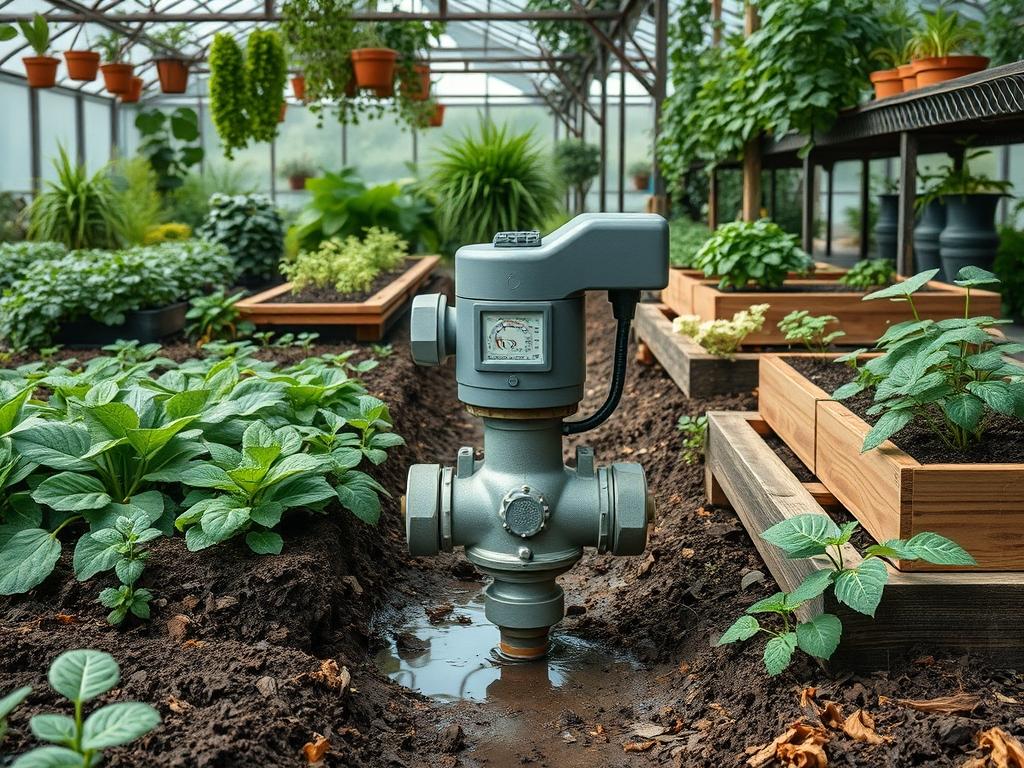
Creating a cohesive outdoor environment requires a sophisticated blend of horticultural knowledge, engineering precision, and aesthetic intuition. Homeowners often view landscaping as a strictly visual endeavor, yet the most successful projects prioritize functional infrastructure, such as drainage and irrigation, before a single flower is planted. In modern residential design, the challenge lies in balancing high-tech convenience with the natural unpredictability of local climates. Curb appeal serves as the initial handshake between a property and its visitors, but long-term value is found in how the space functions for daily living. This necessitates a strategic approach to resource management, particularly regarding water usage. The integration of an Automated Garden Valve Pro allows for a level of precision that manual watering can never achieve. By automating the delivery of water based on specific zone requirements, we transition from reactive gardening to proactive land management. This fundamental shift ensures that the investment in ornamental grasses, evergreen shrubs, and specimen trees is protected against the volatility of heat waves and drought.
Landscape Design Principles
Effective landscape architecture relies on the mastery of visual weight and spatial organization. Symmetry often serves as the foundation for formal gardens, where mirrored plantings of Boxwood create a sense of order and prestige. However, informal landscapes utilize asymmetrical balance to mimic the organic flow of nature. In these settings, focal points are critical. A strategically placed Japanese Maple or a large granite boulder draws the eye and provides a sense of purpose to an open lawn.
Elevation plays a vital role in breaking up the monotony of flat terrain. We frequently use retaining walls constructed from natural fieldstone or pre-cast concrete blocks to create tiered planting beds. These layers allow for a vertical transition that adds depth and allows for better drainage. When planning these elevations, the irrigation layout must be mapped simultaneously. Each level of the garden has unique metabolic needs. Low-lying areas may retain moisture, while higher tiers experience rapid evaporation. This is where the Automated Garden Valve Pro proves its worth by managing multiple zones independently.
Walkways are the circulatory system of the garden. Whether using flagstone, permeable pavers, or crushed slate, the width should be at least 36 inches to allow for comfortable passage. These paths should lead the observer through different “rooms” of the outdoor space, using hedgerows or trellises to define boundaries. Visual balance is achieved when the “softscape” of plants and the “hardscape” of stone and wood exist in a ratio that feels intentional and grounded.
Plant and Material Selection
Selecting the right biological components is a matter of matching the microclimate of your yard to the physiological needs of the species. Below is a guide for common selections in modern professional landscaping.
| Plant Type | Sun Exposure | Soil Needs | Water Demand | Growth Speed | Maintenance Level |
| :— | :— | :— | :— | :— | :— |
| Dwarf Alberta Spruce | Full Sun | Well-drained | Moderate | Slow | Low |
| Purple Coneflower | Full Sun | Loamy/Sand | Low | Medium | Moderate |
| Hostas | Full Shade | Rich/Moist | High | Medium | Low |
| Lavender | Full Sun | Gritty/Alkaline | Low | Fast | Moderate |
| Maiden Grass | Full Sun | Versatile | Low | Fast | Low |
| Hydrangea | Part Shade | Acidic/Moist | High | Fast | High |
The materials used for the surrounding environment are just as important as the plants themselves. We recommend a 2-inch layer of dark hardwood mulch to suppress weeds and retain moisture. For areas with high foot traffic, polymer-sand joints in paver installations prevent weed growth and provide a stabilized surface that resists erosion.
Implementation Strategy
The transition from a design on paper to a physical landscape begins with site preparation. Proper grading is the most critical step; the land must slope away from the home’s foundation at a minimum rate of 1 inch of fall for every 10 feet of distance. Using a laser level ensure accuracy during this phase. Once the grade is established, we install the “skeleton” of the garden, which includes the underground utilities and irrigation lines.
The Automated Garden Valve Pro should be installed in a protected valve box that is easily accessible for seasonal checks. From here, polyethylene tubing is routed to various zones. In the backyard layout, we typically separate the turf areas from the perennial beds. Turf requires high-volume overhead sprayers, whereas perennial beds thrive with drip emitters that deliver water directly to the root zone at a rate of 0.5 to 2 gallons per hour.
Once the irrigation and hardscaping are in place, edging is used to create clean lines between the lawn and the planting beds. We prefer 14-gauge steel edging for its durability and slim profile. When planting, the holes should be dug two times wider than the root ball but no deeper. This encourages lateral root growth into the native soil. Finally, applying a high-quality organic compost to the top layer of soil provides a slow-release nutrient source that supports the plant during its establishment phase.
Common Landscaping Failures
The most frequent mistake in residential landscapes is poor drainage. When water pools near the root systems of Azaleas or Yews, it leads to root rot, a condition that is often fatal before symptoms appear above ground. To solve this, a French drain or a dry creek bed can be integrated into the design to divert excess runoff.
Another significant failure is improper spacing. High-tech automation like the Automated Garden Valve Pro can keep a plant healthy, but it cannot prevent a tree from outgrowing its footprint. Many homeowners plant Leyland Cypress or Norway Spruce too close to the home, eventually causing damage to the siding or foundation. Always research the “mature spread” of a species and provide at least 5 to 10 feet of clearance from permanent structures.
Soil compaction is a silent killer in new construction areas. Heavy machinery compresses the earth, removing the air pockets necessary for root respiration. Before planting, it is vital to use a tiller or broadfork to aerate the soil to a depth of 12 inches. Finally, irrigation inefficiencies frequently occur when homeowners use a “one size fits all” approach. Watering everything for 20 minutes usually results in overwatering some plants and underwatering others. Precision tools allow for tailored schedules that respect the specific biology of each plant group.
Seasonal Maintenance
Landscape management is a year-round commitment that changes with the tilt of the earth. In the spring, the focus is on rejuvenation. This involves removing dead wood with bypass pruners, applying a fresh layer of cedar mulch, and checking the Automated Garden Valve Pro for any leaks caused by winter freezes. This is the optimal time for pre-emergent herbicide application to prevent crabgrass.
Summer is a period of stress management. We adjust irrigation controllers to account for higher transpiration rates and monitor for pests like aphids or spider mites. High-value specimens may require deep-root watering during July and August. In the autumn, the priority shifts to preparation and cleanup. We rake fallen leaves to prevent them from smothering the turf and begin the process of planting spring-flowering bulbs like Tulips and Daffodils.
Winter maintenance is often overlooked but remains essential for the longevity of the landscape. In colder climates, the irrigation system must be “blown out” using an air compressor to remove all water from the lines, preventing the Automated Garden Valve Pro and its associated pipes from bursting. Wrapping young Fruit Trees with tree guards can prevent damage from hungry rodents or frost cracks.
Professional Landscaping FAQ
How often should I recalibrate my irrigation system?
You should inspect and recalibrate your system at the start of each season. Changes in plant size and weather patterns require adjustments to the Automated Garden Valve Pro timing to ensure optimal moisture levels without wasting water resources.
What is the best way to prevent weeds in large beds?
A combination of a heavy-duty landscape fabric and a 3-inch layer of wood chips is effective. For a more organic approach, high-density planting of groundcovers like Creeping Thyme naturally chokes out weed competition through canopy shade.
Why are my newly planted trees turning yellow?
Chlorosis, or yellowing leaves, often indicates overwatering or poor drainage. Ensure that your Automated Garden Valve Pro is not delivering too much water to heavy clay soils, which can suffocate roots and prevent nutrient uptake by the plant.
Are native plants always better for landscaping?
Native plants are generally more resilient and require less chemical intervention. They support local pollinators and are pre-adapted to your region’s rainfall patterns, making them excellent candidates for low-maintenance zones within your automated irrigation grid.
When is the best time of day to water my garden?
The early morning, specifically between 4:00 AM and 8:00 AM, is the ideal time. This allows the foliage to dry during the day, which prevents fungal growth, while ensuring the roots absorb moisture before the sun’s peak heat.