
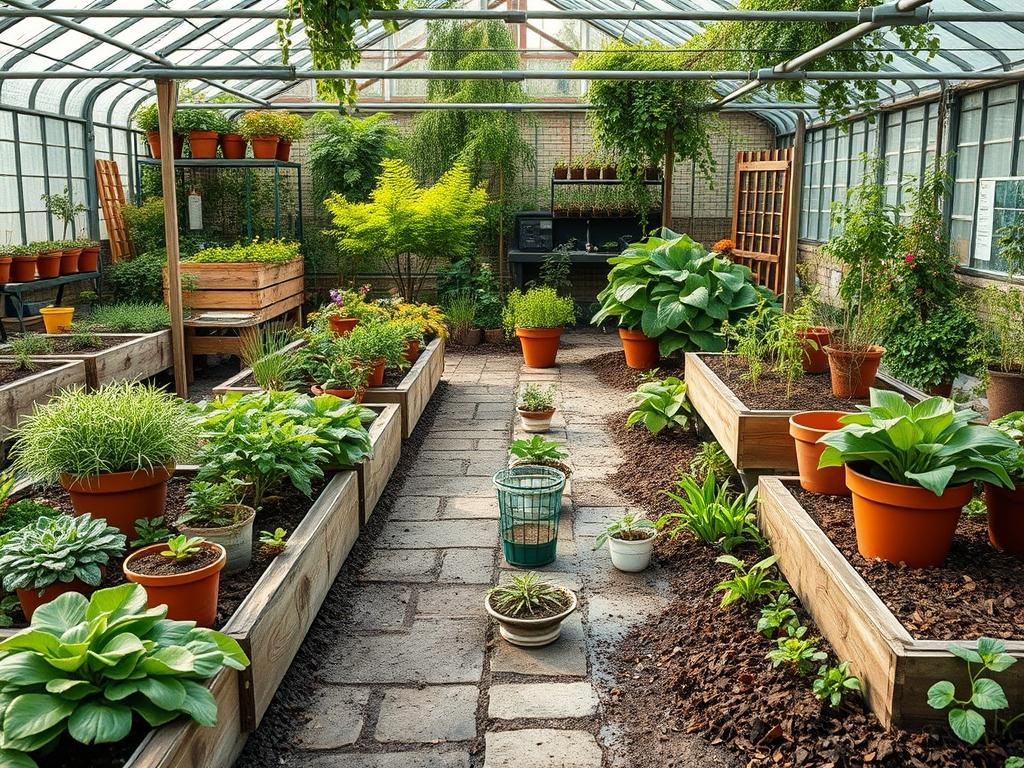
Modern landscape architecture has evolved beyond simple aesthetic arrangements of flora and stone. In a world where climate fluctuations and water scarcity dominate the conversation, the integration of Smart Irrigation Zone Logic has become the cornerstone of high end exterior design. A professional landscape consultant must view the property as a complex ecosystem where curb appeal, outdoor functionality, and environmental stewardship intersect. The goal is to create a living environment that thrives with minimal waste, utilizing advanced technology to manage the specific needs of diverse botanical microclimates. Without a coherent strategy for water distribution and soil management, even the most expensive horticultural installations are destined for premature failure.
A successful outdoor environment begins with a deep understanding of site specific variables. Designers must consider the orientation of the sun, the prevailing wind patterns, and the natural topography of the land. These factors dictate how water moves across the surface and how quickly it evaporates from the soil. By applying Smart Irrigation Zone Logic, a landscape architect can segment a property into distinct hydro zones. This ensures that a Japanese Maple tucked into a shaded corner does not receive the same high volume of water as a sun drenched Kentucky Bluegrass lawn. This level of precision requires sophisticated controllers, weather stations, and soil moisture sensors that communicate in real time to adjust delivery schedules based on actual environmental conditions rather than static timers.
Landscape Design Principles
The foundation of any professional landscape lies in its structural integrity and visual balance. Designers often utilize symmetry to create a sense of formal grandeur, particularly at the entrance of a property. This involves aligning Evergreen Topiaries or Stone Arches to draw the eye toward a central focal point, such as a custom water feature or a masterfully crafted front door. However, visual balance does not always require perfect mirroring. Asymmetrical balance can be achieved by counterweighting a large Oak Tree on one side of a yard with a dense cluster of Ornamental Grasses and a significant Boulder Feature on the other.
Elevation plays a critical role in defining spaces and managing water flow. The use of Retaining Walls built from Natural Limestone or Pre-cast Concrete Blocks can transform a steep, unusable slope into a series of functional terraces. These levels create opportunities for layered planting, where taller species provide a backdrop for mid sized shrubs and low lying groundcovers. Walkways constructed from Flagstone or Permeable Pavers serve as the circulatory system of the garden, guiding movement while allowing rainfall to infiltrate the ground rather than running off into storm drains. During the planning phase, designers must map out the Irrigation Valves and Mainlines to ensure they do not interfere with these hardscape elements, or conversely, that they are easily accessible for future maintenance behind Removable Access Panels.
Plant and Material Selection
Selecting the right materials is a process of reconciling aesthetic desires with biological realities. The following table outlines standard selections for a temperate climate zone, focusing on their specific requirements within a managed irrigation framework.
| Plant Type | Sun Exposure | Soil Needs | Water Demand | Growth Speed | Maintenance Level |
| :— | :— | :— | :— | :— | :— |
| English Lavender | Full Sun | Well Drained | Low | Moderate | Low |
| Dwarf Boxwood | Part Shade | Loamy | Moderate | Slow | High (Pruning) |
| Blue Spirea | Full Sun | Sandy | Low | Fast | Medium |
| River Birch | Sun to Part Shade | Moist/Clay | High | Fast | Low |
| Creeping Thyme | Full Sun | Rocky/Poor | Low | Moderate | Very Low |
| Hydrangea Macrophylla | Shade/Part Sun | Rich Organic | High | Moderate | Medium |
In addition to plant life, the selection of mulch and soil amendments is vital. A 3 inch layer of Triple Shredded Hardwood Mulch is the industry standard for moisture retention and weed suppression. In areas where heavy drainage is expected, a 4 inch layer of River Rock or Crushed Granite may be more appropriate to prevent erosion.
Implementation Strategy
The transition from a blueprint to a thriving landscape requires a disciplined, step by step approach. The first phase is always site preparation and grading. A Laser Level should be used to ensure the ground slopes away from the foundation of the home at a minimum of a 2 percent grade. This prevent hydrostatic pressure from damaging the basement or crawlspace. Once the rough grade is established, the installation of sub surface drainage, such as 4 inch Perforated Corrugated Pipe wrapped in Geotextile Fabric, is necessary for managing heavy rainfall.
After the drainage infrastructure is in place, the Smart Irrigation Zone Logic is physicalized through the trenching and installation of Schedule 40 PVC Pipe. Drip lines are laid in ornamental beds to deliver water directly to the root zones, while Rotary Sprinkler Heads are mapped to provide head to head coverage for turf areas. Edging is then installed to create a clean break between the lawn and the planting beds. Whether using 14 gauge Steel Edging or Paver Restraints, this border prevents the migration of grass into the Mulch beds. Finally, plants are installed according to their mature size, ensuring they have room to breathe and grow without overcrowding.
Common Landscaping Failures
Failure in the landscape often stems from a lack of foresight regarding long term biological needs. Soil compaction is a frequent issue, especially in new construction where heavy machinery has compressed the earth. Without proper aeration and the addition of Organic Compost, roots cannot penetrate the soil, leading to stunted growth or death. Another common mistake is improper spacing. Homeowners often want an instant garden and plant Emerald Green Arborvitae too close together, resulting in air circulation problems and fungal diseases like needle blight within just a few years.
Irrigation inefficiencies are perhaps the most costly failures. Mixing plants with different water requirements on the same zone, such as placing a drought tolerant Sedum on the same line as a moisture loving Fern, ensures that one of the two will suffer. Furthermore, the absence of a Rain Sensor or a Smart Controller can lead to the system running during a downpour, which is not only wasteful but can lead to root rot. Lastly, ignoring the Static Pressure of the water source can result in poor spray patterns, leaving dry spots in the lawn that invite opportunistic weeds.
Seasonal Maintenance
Maintenance is an ongoing commitment that shifts with the calendar. In the Spring, the focus is on reactivation. This includes a full system audit of the Irrigation Controller, flushing out the lines, and replacing any Nozzles that were damaged by winter frost. It is also the time to apply a Pre-emergent Herbicide and a 10-10-10 Balanced Fertilizer to jumpstart the growing season.
Summer maintenance revolves around monitoring and adjustment. As temperatures rise, the Smart Irrigation Zone Logic should automatically increase watering frequency based on ET (Evapotranspiration) data. Deep, infrequent watering is encouraged to promote deep root growth. By Autumn, the focus shifts to preparation for dormancy. This involves aerating the turf, overseeding, and most importantly, blowing out the irrigation lines with an Air Compressor to prevent the pipes from bursting during a hard freeze. Winter is a period of dormancy, but it is the ideal time for structural pruning of Deciduous Trees while their branch architecture is visible.
Professional Landscaping FAQ
What is the primary benefit of Smart Irrigation Zone Logic?
It optimizes water delivery by categorizing plants based on their specific hydration needs and local weather data. This reduces utility costs, prevents plant disease from overwatering, and ensures the long term health of the outdoor environment through precision resource management.
How deep should my mulch layer be for optimal health?
A depth of 3 inches is recommended for most ornamental beds. This thickness is sufficient to suppress weed germination and retain soil moisture without suffocating the root systems or preventing oxygen exchange between the soil and the atmosphere.
Should I use drip irrigation or traditional spray heads?
Drip irrigation is superior for planting beds and individual shrubs because it delivers water directly to the soil, minimizing evaporation. Traditional spray or rotary heads are better suited for large turf areas where uniform surface coverage is required.
How do I prevent water from pooling near my foundation?
Proper grading is essential; ensure a downward slope of at least 2 percent away from the house. Additionally, installing French Drains or Catch Basins can redirect excess surface water toward a safe discharge point or a rain garden.
Why are my newly planted trees failing despite regular watering?
Failure often results from planting too deep or soil compaction. Ensure the Root Flare is visible at the soil surface. If the soil is heavy clay, the roots may be drowning in a bathtub effect if the hole was not properly drained.