
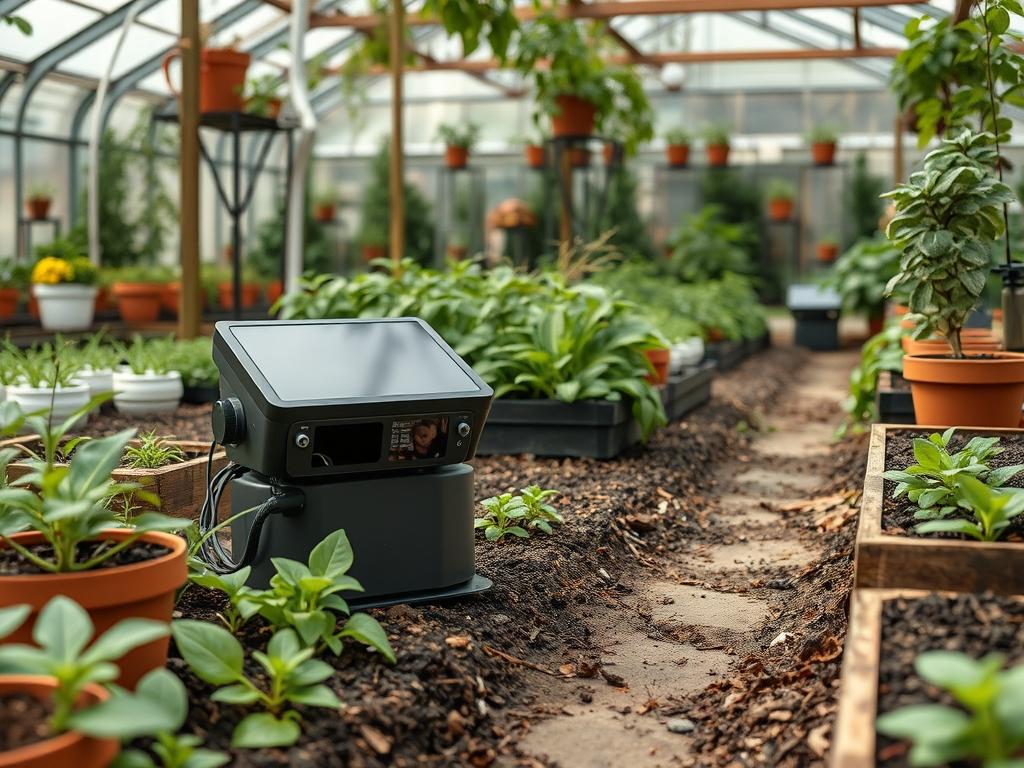
Developing a landscape that balances aesthetic elegance with modern functionality requires a rigorous approach to site analysis and environmental integration. The challenge for most property owners lies in the reconciliation of biological needs with the increasingly complex infrastructure of a smart home. A truly professional design does not merely place plants in the ground; it creates a structured ecosystem where natural elements and automated systems coexist without conflict. This intersection is best managed through what we define as Solar Powered Device Logic, a framework that dictates the placement of hardware based on sun exposure, plant growth projections, and energy requirements. When these factors are ignored, the result is often a landscape that looks beautiful for one season but fails as the canopy closes or as drainage issues compromise the electrical components of the site. High-end curb appeal is a byproduct of sound engineering, ensuring that every retaining wall, irrigation line, and light fixture functions within a sustainable logic.
Landscape Design Principles
The foundation of any successful landscape is the deliberate use of symmetry and focal points to guide the viewer’s eye. Symmetry does not always mean a mirror image; rather, it refers to the visual weight of elements across a central axis. For example, a heavy cluster of Buxus microphylla (Boxwood) on the left side of a walkway can be balanced by a significant basalt boulder or a collection of lighter, wispy ornamental grasses on the right. Focal points serve as the anchor of the design, often taking the form of a specimen tree like a Liquidambar styraciflua or a high-quality hardscape feature.
Elevation layers are equally critical. A flat yard lacks the dynamic interest of a multi-tiered environment. By using timber sleepers or natural stone blocks to create raised beds, a designer can introduce verticality and improved drainage simultaneously. This layering also allows for the application of Solar Powered Device Logic, where higher elevations are reserved for equipment that requires peak solar gain, such as photovoltaic sensors and weather stations, while lower, moisture-rich areas are dedicated to lush foliage.
Walkways should act as the circulatory system of the garden. Whether using flagstone pavers or decomposed granite, the path must be wide enough for two people to walk comfortably, generally a minimum of 36 inches to 48 inches. Visual balance is maintained by repeating colors and textures throughout these zones, creating a sense of rhythm that prevents the space from feeling cluttered.
Plant and Material Selection
Selecting the right materials involves more than picking a favorite color. One must consider the pH level of the soil, the prevailing wind patterns, and the specific sunlight duration at the site. The following table provides a breakdown of common selections used in modern regional designs.
| Plant Type | Sun Exposure | Soil Needs | Water Demand | Growth Speed | Maintenance Level |
| :— | :— | :— | :— | :— | :— |
| Lavandula angustifolia | Full Sun | Well-drained/Sandy | Low | Medium | Low |
| Hosta fortunei | Full Shade | Rich/Organic | High | Fast | Medium |
| Panicum virgatum | Full/Partial Sun | Adaptable | Low | Fast | Low |
| Hydrangea macrophylla | Partial Shade | Moist/Loamy | High | Medium | High |
| Taxus baccata | Full/Partial Sun | Well-drained | Medium | Slow | Medium |
| Echinacea purpurea | Full Sun | Poor/Average | Low | Medium | Low |
For hardscaping, the choice of material dictates longevity. Travertine stays cool underfoot in high-heat areas, while slate provides a contemporary, dark aesthetic but can become brittle in freeze-thaw cycles. Crushed limestone is an excellent choice for paths due to its stability, while river rock serves as both a decorative element and a functional tool for managing runoff in dry creek beds.
Implementation Strategy
The transition from a design on paper to a physical landscape begins with site grading. You must ensure that the ground slopes away from any permanent structures at a rate of at least 2 percent, which translates to a 1/4-inch drop per foot. This prevents water from pooling against foundations or sub-surface enclosures. For drainage, installing a French drain using 4-inch perforated pipe and clean gravel is the gold standard for moving excess water to a designated exit point or rain garden.
Once the grade is established, the layout of hardscape elements should precede any planting. This includes the installation of edging, which provides a crisp border between lawn and garden beds. Steel edging offers a slim, modern profile, while concrete pavers provide a more traditional weight. After the infrastructure is set, digging the planting holes is next. Each hole should be twice as wide as the root ball but no deeper, ensuring that the crown of the plant sits slightly above the soil line to prevent rot.
The final layer involves the application of mulch. A depth of 3 inches of triple-shredded hardwood mulch or pine bark nuggets is essential for moisture retention and weed suppression. In areas where Solar Powered Device Logic is integrated, ensure that ground-mounted lights are installed after mulching to maintain the correct height relative to the finished surface grade.
Common Landscaping Failures
The most frequent error in residential landscaping is the neglect of proper drainage. When water accumulates in low spots, it creates anaerobic soil conditions, effectively suffocating the roots of all but the most water-tolerant species. Furthermore, standing water can enter the housings of sensors and controllers, negating the reliability of your automated systems.
Root overcrowding is another silent killer. Homeowners often buy young plants and place them too close together for immediate impact. However, a Quercus rubra (Red Oak) that looks small today will eventually reach a spread of 45 feet. Without proper spacing, plants compete for nutrients and light, causing the interior branches to die back and increasing susceptibility to pests like aphids or scale insects.
Soil compaction is often overlooked during the construction phase. Heavy machinery used to move retaining wall blocks or large boulders packs the soil particles together, eliminating the air pockets necessary for root respiration. Before planting, it is vital to use a tiller or a broadfork to loosen the soil to a depth of at least 12 inches. Finally, irrigation inefficiencies, such as watering the foliage instead of the root zone, often lead to fungal issues and wasted resources.
Seasonal Maintenance
Landscape management is a year-round commitment. In the spring, the focus should be on soil testing and the application of a pre-emergent herbicide to prevent weed seeds from germinating. This is also the time to prune summer-flowering shrubs and clean any photovoltaic panels on your outdoor devices to ensure they can handle the increasing daylight hours.
Summer demands a shift toward moisture management. During periods of extreme heat, deep watering twice a week is more effective than shallow daily misting, as it encourages roots to grow deeper into the cooler soil. Check your drip irrigation emitters for clogs and ensure that mulch hasn’t washed away.
Autumn is the season for restoration. Core aeration for lawns allows oxygen and nutrients to reach the root zone. It is also the best time to plant new trees and shrubs, as the cooler air and warm soil encourage root establishment without the stress of high heat. Apply a slow-release fertilizer with a high potassium count to strengthen plants for the coming cold.
In winter, the work becomes structural. Perform dormant pruning on deciduous trees to remove dead or crossing branches. Monitor your retaining walls for signs of shifting during freeze-thaw cycles. If you use de-icing salts on walkways, be careful to keep them away from sensitive evergreens, as the salt spray can cause significant needle burn.
Professional Landscaping FAQ
How does solar logic affect plant placement?
Proper logic dictates that large-canopy trees must be positioned to the north or east of solar arrays. This prevents shadows from falling across charging panels during the crucial midday window of 10:00 AM to 2:00 PM, maximizing energy harvest.
What is the best way to prevent weeds?
The most effective method is a combination of landscape fabric and a 3-inch layer of organic mulch. The fabric provides a physical barrier, while the mulch blocks the light required for weed seeds to germinate and develop.
Why is drainage more important than irrigation?
While you can manually provide water during a drought, removing excess water during a flood is much more difficult. Poor drainage leads to root rot, soil erosion, and the eventual destruction of hardscape foundations and electronic components.
How often should I prune my shrubs?
Most shrubs require a structural pruning once per year. Flowering species like Spiraea should be trimmed immediately after their blooms fade, while evergreens like Juniperus are best handled in early spring before the new growth flush begins.
Can I install solar devices in shaded areas?
Standard Solar Powered Device Logic suggests avoiding deep shade. However, if a device must be in the shade, you should use a remote photovoltaic collector connected by a low-voltage wire to a panel located in a sunny spot.