
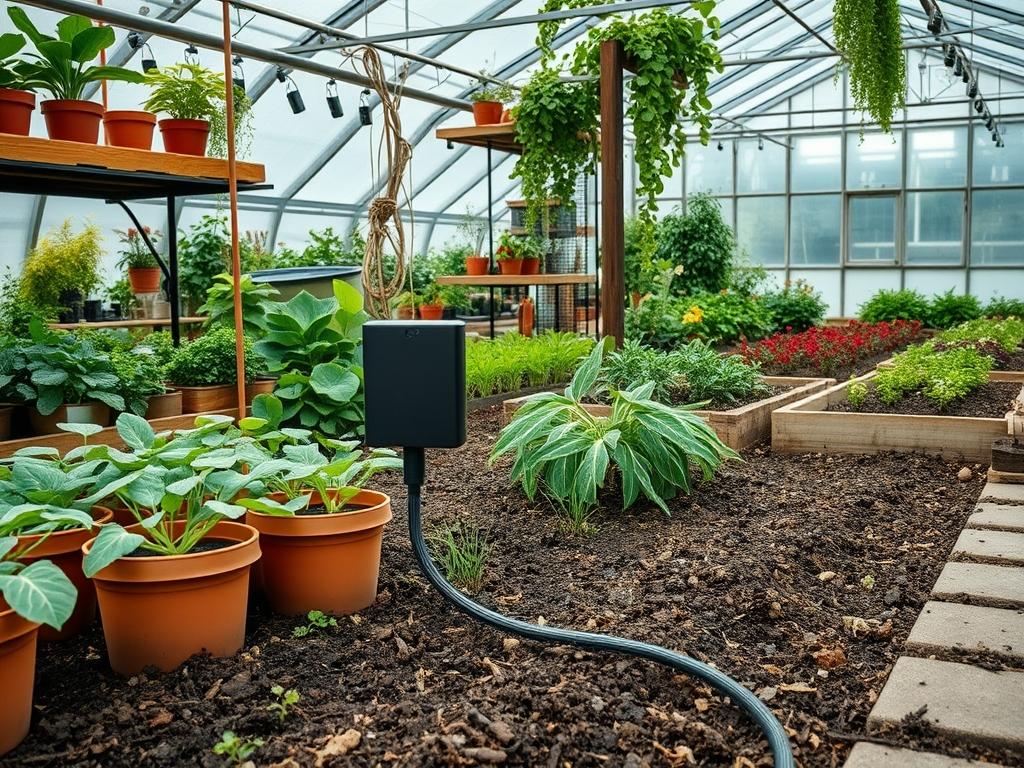
Achieving a professional-grade landscape requires more than just an aesthetic eye; it demands a deep understanding of the biological and environmental variables that dictate plant health. Most homeowners and estate managers struggle with the invisible complexity of their soil and microclimates. Whether you are dealing with fluctuating soil acidity, inconsistent moisture levels, or varying light intensity across different zones, the margin for error is slim. A successful outdoor environment balances curb appeal with long term sustainability. Traditionally, this required daily manual inspections and a high degree of guesswork. However, the integration of precision technology has fundamentally changed the landscape management workflow. Using a Smart Garden Sensor Pro allows designers to gather granular data on soil moisture, ambient temperature, and sunlight exposure in real time. This data is the foundation of a sophisticated landscaping strategy, ensuring that every investment in flora and hardscape is protected by evidence based maintenance.
The modern landscape is an extension of the home, acting as a functional living space that must withstand local weather patterns while maintaining its visual integrity. High performance landscapes often face challenges such as poor drainage, soil compaction, and the encroachment of non native pests. To mitigate these risks, a professional consultant looks beyond the surface. We analyze the topography and the existing ecosystem before a single hole is dug. The primary goal is to create a self sustaining environment where the irrigation system, soil composition, and plant selection work in harmony. By utilizing a Smart Garden Sensor Pro, we can monitor the distinct microclimates created by the shadows of the house or the heat reflecting off stone walkways. This precision ensures that high value specimens are not lost to overwatering or heat stress, ultimately preserving the financial and aesthetic value of the property.
Landscape Design Principles
Structural integrity in a garden begins with the principle of symmetry and visual weight. A balanced landscape uses a mix of permanent structures and fluid botanical elements to guide the eye toward specific focal points. We often use retaining walls or stone plinths to create elevation layers, which add depth to a flat yard. Irrigation planning must be integrated into the initial design phase rather than added as an afterthought. This involves mapping out irrigation zones that correspond to the specific water needs of different plant groupings. For example, a cluster of succulents should never reside in the same zone as a broadleaf evergreen. Visual balance is further enhanced by the use of sightlines, which are unobstructed views that connect the indoor living area to the outdoor environment.
Walkways and paths serve as the circulatory system of the landscape. They provide structure and prevent soil compaction by keeping foot traffic in designated areas. When designing these paths, we consider the transition between different materials, such as shifting from decomposed granite to flagstone pavers. Each transition point is an opportunity to install a Smart Garden Sensor Pro to monitor how these different materials affect the soil temperature and moisture retention nearby. By layering the landscape with varying heights, starting with groundcovers and moving up to mid level shrubs and high canopy trees, we create a sense of enclosure and privacy that feels natural rather than forced.
Plant and Material Selection
| Plant Type | Sun Exposure | Soil Needs | Water Demand | Growth Speed | Maintenance Level |
| :— | :— | :— | :— | :— | :— |
| Buxus sempervirens | Full Sun to Part Shade | Well drained, Loamy | Moderate | Slow | High (Pruning) |
| Lavandula angustifolia | Full Sun | Gritty, Alkaline | Low | Moderate | Low |
| Acer palmatum | Dappled Shade | Moist, Acidic | High | Slow to Medium | Moderate |
| Festuca arundinacea | Full Sun to Shade | Adaptable | Moderate | Fast | Moderate (Mowing) |
| Echinacea purpurea | Full Sun | Rich, Well drained | Low to Moderate | Fast | Low |
| Ilex glabra | Part Shade | Acidic, Moist | High | Medium | Low |
The selection of materials extends beyond the plants. For hardscaping, we prioritize local stone and sustainably sourced timber to ensure the garden feels integrated into the local geography. Mulch is another critical material; we recommend a 3 inch layer of organic hardwood mulch to regulate soil temperature and suppress weeds. When selecting plants, the data provided by your Smart Garden Sensor Pro becomes invaluable. If the sensor indicates a high salt content in the soil, we shift toward salt tolerant species like Rugosa Rose or various ornamental grasses.
Implementation Strategy
The implementation of a large scale landscape design follows a strict sequence to ensure the longevity of the installation. We begin with site grading, which is the process of leveling or sloping the ground to ensure proper water runoff. Without correct grading, water will pool near the foundation of the house or drown the root systems of new plantings. Once the grade is established, we install drainage tiles and PVC piping for both the irrigation system and storm water management. This is the ideal time to bury the sensors, ensuring the Smart Garden Sensor Pro units are positioned at the root ball depth of your most sensitive plants, typically 8 to 12 inches below the surface.
Next, we move to edging and hardscaping. Using steel edging or poured concrete curbs creates a clean boundary between lawn areas and garden beds. This prevents the spread of invasive turf grass into delicate perennial borders. After the structural elements are in place, we focus on soil amendment. We incorporate organic compost and sphagnum peat moss to improve the soil structure before planting. Each plant is installed with a starter fertilizer and plenty of water to reduce transplant shock. Finally, the application of mulch and the calibration of the Smart Garden Sensor Pro completes the installation. The sensors should be synced to your central hub to provide immediate feedback on the efficiency of the newly installed irrigation lines.
Common Landscaping Failures
One of the most frequent failures in professional landscaping is the “mulch volcano,” where excess mulch is piled against the trunk of a tree. This traps moisture against the bark and leads to rot and fungal infections. Another common mistake is improper spacing. Inexperienced gardeners often plant for immediate effect, ignoring the mature spread of the species. This leads to root overcrowding and poor air circulation, which invites pests. Soil compaction is another silent killer of high end landscapes. When heavy machinery or frequent foot traffic packs the soil too tightly, oxygen cannot reach the roots, and the plant essentially suffocates.
Irrigation inefficiencies also rank high among landscaping errors. Overwatering is just as damaging as underwatering. Using a Smart Garden Sensor Pro helps avoid the “set it and forget it” mentality that often leads to hydrostatic pressure buildup in the soil. Furthermore, many homeowners fail to account for the pH level of their soil. Planting acid loving species like Rhododendrons in alkaline soil will result in nutrient deficiencies, specifically iron chlorosis, regardless of how much fertilizer is applied. Regular monitoring of soil chemistry through digital sensors prevents these costly replacements.
Seasonal Maintenance
Spring is the season of renewal and preparation. This is when we perform core aeration on the lawn to alleviate compaction and apply a pre emergent herbicide to prevent weed seeds from germinating. It is also the best time to check the battery levels and connectivity of your Smart Garden Sensor Pro units. Summer maintenance shifts toward moisture management. During periods of extreme heat, we increase the frequency of irrigation but do so early in the morning to reduce evaporation. The sensors provide the data needed to adjust these schedules dynamically as the weather changes.
Autumn is dedicated to “putting the garden to bed.” We focus on dormant pruning for deciduous trees and the planting of spring blooming bulbs. We also apply a final layer of compost to replenish nutrients lost during the growing season. Winter maintenance is largely protective. We use burlap wraps to protect sensitive shrubs from windburn and ensure that all irrigation lines are winterized to prevent pipes from bursting in freezing temperatures. Even in the winter, your Smart Garden Sensor Pro can provide data on soil frost depth, helping you understand when it is safe to begin spring preparations.
Professional Landscaping FAQ
How many sensors do I need for a standard backyard?
Most residential landscapes require one Smart Garden Sensor Pro for every distinct irrigation zone or microclimate. This typically means four to six sensors for a standard quarter-acre lot to ensure accurate data for both shaded and sunny areas.
Can these sensors identify specific nutrient deficiencies?
Most professional grade sensors monitor overall electrical conductivity, which correlates with soil salinity and nutrient levels. While they may not name a specific mineral, they alert you when the overall nutrient density fluctuates significantly, indicating a need for soil testing.
What is the best way to clean my garden sensors?
Gently wipe the probes with a damp microfiber cloth to remove soil residue. Avoid using harsh chemicals or abrasive materials, as these can damage the delicate sensors responsible for measuring moisture and pH levels in the soil.
Do sensors work effectively in heavy clay soil?
Yes, but they require careful placement. In heavy clay, water tends to linger, so the Smart Garden Sensor Pro will help you avoid the common mistake of overwatering. Ensure the soil is firmly packed around the probe to avoid air pockets.
How long do the batteries last in a professional sensor?
Under normal operating conditions, a Smart Garden Sensor Pro typically offers a battery life of 12 to 18 months. Most units feature low power Bluetooth or Zigbee connectivity to maximize efficiency, sending alerts to your phone when power is low.