
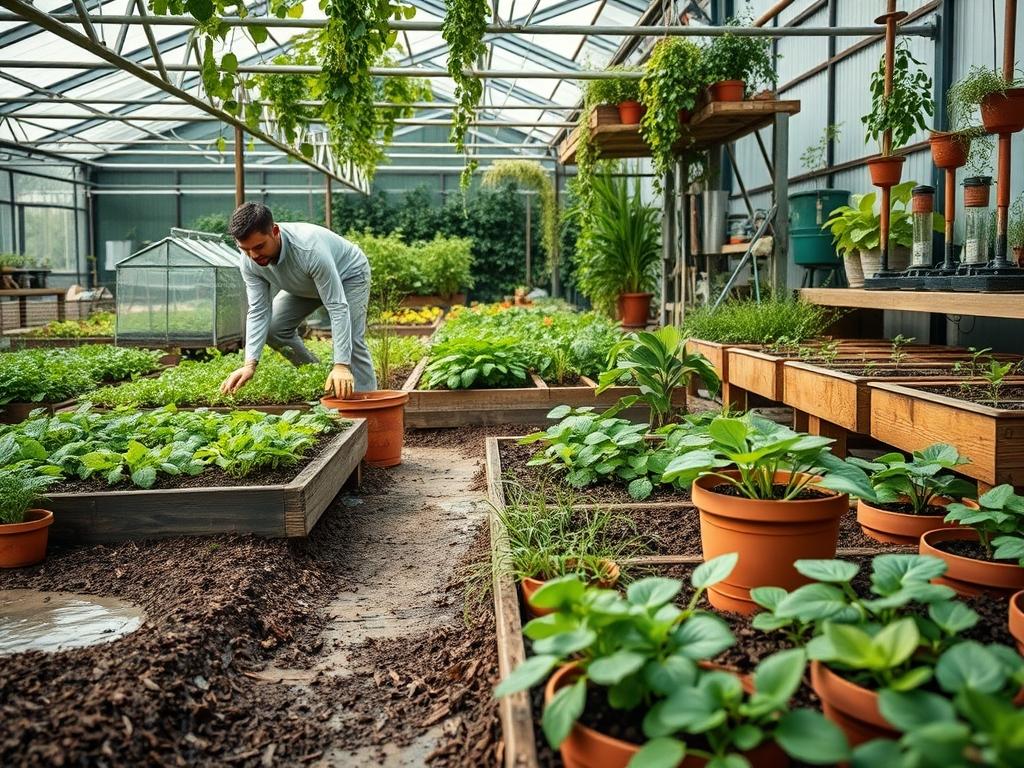
Achieving a high-end landscape requires a sophisticated marriage of aesthetic vision and rigorous hydraulic engineering. In the modern era of estate management, curb appeal is no longer just about the symmetry of a hedge or the vibrance of a perennial border; it is fundamentally tied to the invisible infrastructure that sustains life in the soil. As a landscape architect, I see many homeowners invest six figures into mature specimens and custom masonry, only to overlook the precision required for long term hydration. A truly professional outdoor environment manages water as a finite resource, using automation to ensure that every drip emitter and rotary nozzle delivers exactly what is needed. This technical discipline ensures that your investment thrives regardless of shifting weather patterns, providing a cooling effect for outdoor living spaces and ensuring the structural integrity of retaining walls through proper moisture control.
Landscape Design Principles
The architecture of a high-end garden relies on a hierarchy of visual interest. We begin with focal points, often a singular specimen tree or a custom water feature, which anchors the viewer’s eye. From there, we build elevation layers. By using retaining walls or terraced grading, we create a sense of depth and enclosure. This layering is not merely for show; it serves a vital purpose in water management. Higher elevations drain faster, while lower tiers may collect moisture. Professional irrigation planning must account for these microclimates. One of the best Smart Irrigation Flow Tips is to utilize hydro-zoning, which groups plants with identical water needs into the same valve circuit.
Symmetry and visual balance guide the placement of walkways and hardscaped surfaces. When designing these paths, we use natural stone pavers or decomposed granite to provide texture. However, the presence of hardscaping increases runoff. To maintain balance, we integrate permeable joints and subtle grading to direct excess water toward bioswales or underground French drains. This prevents the common eyesore of standing water on a luxury patio. Visual balance also involves the transition between structured gardens and the natural periphery. Using native plants at the edges creates a seamless flow into the surrounding environment, reducing the overall demand on the irrigation system.
Plant and Material Selection
Selecting the right biological components is critical for a sustainable high-end look. The following table outlines standard selections for a temperate, well drained estate.
| Plant Type | Sun Exposure | Soil Needs | Water Demand | Growth Speed | Maintenance Level |
| :— | :— | :— | :— | :— | :— |
| Japanese Maple | Partial Shade | Loamy, Well-Drained | Moderate | Slow | High |
| Boxwood Hedge | Full Sun to Shade | Neutral pH | Constant Moisture | Medium | Moderate |
| Lavender | Full Sun | Sandy, Gritty | Low | Fast | Low |
| Tall Fescue | Full Sun to Partial | Nitrogen Rich | High | Fast | High |
| Star Jasmine | Full Sun to Partial | Organic Rich | Moderate | Fast | Moderate |
| Blue Oat Grass | Full Sun | Rocky, Dry | Very Low | Slow | Low |
Implementation Strategy
The successful execution of a garden layout begins with a comprehensive site survey. Before a single shovel hits the dirt, we must understand the topography. We start with grading, ensuring the land slopes away from the home foundation at a minimum of a two percent grade. This protect the structure while preparing the canvas for planting. Once the rough grade is established, we install the primary drainage lines. High-quality 4-inch NDS pipes are standard for moving high volumes of rainwater away from sensitive root zones.
Next, we move to the hardscaping and irrigation infrastructure. We install sleeving under every walkway and driveway. These PVC sleeves allow for future repairs or additions to the electrical and watering lines without tearing up expensive masonry. When setting up the irrigation network, we focus on the flow. One of the essential Smart Irrigation Flow Tips involves the installation of a Master Valve and a Flow Sensor. These devices communicate with a smart controller to detect leaks in real time. If a lateral line breaks, the sensor identifies the abnormal flow and shuts down the entire system, preventing a catastrophic washout of your mulch and topsoil.
After the hardscaping is cured, we focus on soil preparation. We till in organic compost to a depth of 12 inches to break up soil compaction. Only then do we plant, followed by an immediate application of 3 inches of hardwood mulch. This layer regulates soil temperature and reduces evaporation, allowing the smart irrigation system to run for shorter durations.
Common Landscaping Failures
The most frequent mistake in high-end projects is the neglect of drainage dynamics. When water is allowed to pool near the base of a retaining wall, the hydrostatic pressure can cause the stones to shift or collapse over time. Professionals always include a gravel backfill and a perforated drain pipe behind the wall to alleviate this pressure. Another common failure is root overcrowding. It is tempting to plant for “instant impact,” but placing spruce trees or oaks too close to one another leads to nutrient competition and stunted growth within five years.
Irrigation inefficiencies are the silent killers of luxury landscapes. Many systems suffer from “head to head” coverage failures, where the spray from one head does not reach the next, leaving brown spots. Furthermore, many contractors fail to install pressure regulators. High water pressure causes misting, where water evaporates before it even hits the grass. By using pressure-regulating stems and matching the precipitation rates of different nozzles, you ensure the application is uniform. These technical Smart Irrigation Flow Tips can save up to forty percent of water usage while maintaining a greener lawn than traditional methods.
Seasonal Maintenance
Landscape management is a year round commitment that changes with the sun’s trajectory. In the spring, the priority is the system startup and rejuvenation. We flush all irrigation valves to clear out winter debris and inspect every nozzle for clogs. This is also the time for a pre-emergent herbicide application and a fresh layer of mulch to suppress weeds before the heat arrives.
Summer demands vigilant monitoring of moisture levels. During heatwaves, we adjust the smart controller to include “cycle and soak” settings. Instead of one long watering period, which leads to runoff, we break the cycle into three short bursts. This allows the water to penetrate deep into the root zone, encouraging deeper root growth. We also monitor for pests that thrive in humidity, such as aphids or spider mites, which can quickly defoliate a boxwood hedge.
Autumn is the season for structural maintenance and preparation. We aerate the turf grass to alleviate the soil compaction caused by summer foot traffic. This is also the ideal window for planting new trees, as the cooler air and warm soil promote rapid root establishment. As winter approaches, we perform a “blow out” of the irrigation system using an air compressor to remove all standing water from the pipes. If water freezes inside a backflow preventer, the resulting crack can lead to an expensive repair in the spring.
Professional Landscaping FAQ
How does a flow sensor improve my irrigation system?
A flow sensor monitors the gallons per minute moving through your pipes. If it detects a surge, which usually indicates a broken head or pipe, it triggers the controller to shut down the water, preventing flooding and high utility bills.
What is the best way to prevent weeds in large beds?
The most effective method is a combination of high-grade landscape fabric topped with a 3-inch layer of organic mulch. The mulch blocks sunlight from reaching weed seeds, while the fabric acts as a secondary physical barrier for stubborn perennials.
Why are my plants dying despite regular watering?
This is often due to soil compaction or poor drainage. If the soil is too tight, oxygen cannot reach the roots, essentially drowning the plant. Professional soil aeration and the addition of gypsum can help break up heavy clay.
Can I mix different types of sprinkler heads on one zone?
No, you should never mix rotary nozzles with traditional spray heads. They have different precipitation rates, meaning one area will be flooded while the other remains bone dry. Always keep nozzle types consistent within a single valve zone.
When should I use drip irrigation instead of rotors?
Use drip irrigation for all planting beds, shrubs, and foundation plantings. It delivers water directly to the soil, reducing fungal diseases on leaves and eliminating water waste from wind drift, which is common with traditional high-pressure rotors.