
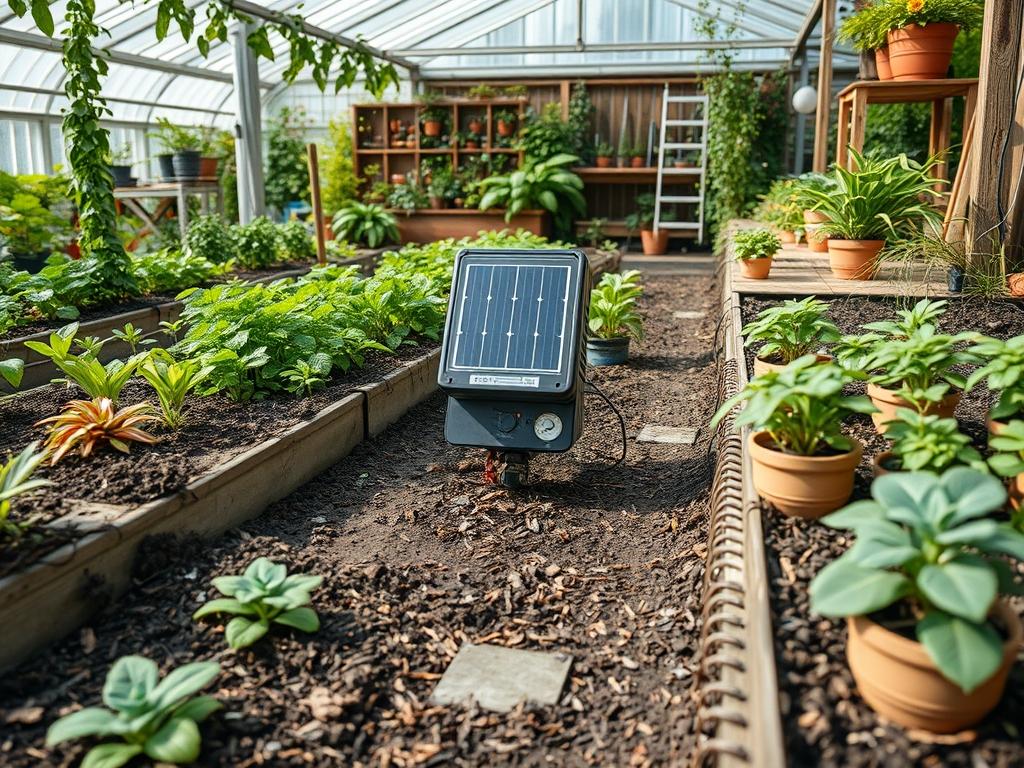
Landscaping today is about more than just aesthetics; it is an exercise in environmental engineering and resource management. As a landscape architect, I see property owners struggle to balance the desire for lush greenery with the practical realities of rising water costs and shifting climate patterns. Integrating Solar Powered Sensor Tech into a modern garden plan provides a bridge between these two worlds. By utilizing autonomous monitoring systems, a garden transitions from a high maintenance liability into a self sustaining ecosystem. The ultimate goal is to enhance curb appeal while ensuring that every element, from the retaining walls to the irrigation zones, functions at peak efficiency. When you align your site layout with modern technology, you reduce labor and increase the longevity of your outdoor investment.
Successful outdoor design begins with a deep understanding of the site topography. We no longer treat the backyard as a static portrait. Instead, we view it as a dynamic environment where light levels, soil moisture, and nutrient availability change by the hour. Through the strategic placement of Solar Powered Sensor Tech, homeowners can gain real time data on these variables. This information allows for a precision approach to gardening that was once reserved for commercial agriculture. Whether you are managing a small urban courtyard or a sprawling suburban estate, the goal remains the same. You want to create a space that feels intentional, structured, and resilient against the elements.
Landscape Design Principles
A professional landscape relies on the foundational concepts of balance and movement. Symmetry is often used near entrances to create a sense of formality and order. This is achieved by mirroring boxwood hedges or ornamental grasses on either side of a walkway. However, asymmetrical balance is equally important in more naturalistic areas of the garden. By grouping plants in odd numbers and varying the heights of perennials, you can create a visual flow that mimics the randomness of nature while maintaining a cohesive structure. Focal points, such as a large Japanese Maple or a custom water feature, serve to draw the eye and provide a sense of destination within the space.
Elevation layers are critical for adding depth to a flat yard. We achieve this through the use of retaining walls and raised beds. These structures do more than just hold soil; they create distinct microclimates. Higher elevations typically drain faster and receive more wind exposure, while lower areas may collect runoff and stay damp. This is where Solar Powered Sensor Tech becomes indispensable. By placing moisture sensors at different elevation tiers, you can adjust your irrigation planning to ensure that the plants on the high ground aren’t parched while the ones in the depressions aren’t drowning.
Visual balance also extends to the transition between hardscaping and softscaping. Walkways made of flagstone or decomposed granite should feel integrated into the planting beds rather than cutting them off. Softening the edges of a stone path with creeping thyme or sedum creates a seamless look. In a modern smart garden, these walkways can be lined with solar path lights that respond to movement or ambient light levels, providing safety and ambiance without the need for complex underground wiring or high energy consumption.
Plant and Material Selection
Choosing the right materials and flora is the most important decision in the planning process. You must match the biological needs of the plant to the specific conditions of your site. The following table outlines several popular choices for modern landscapes designed with technology in mind.
| Plant Type | Sun Exposure | Soil Needs | Water Demand | Growth Speed | Maintenance Level |
| :— | :— | :— | :— | :— | :— |
| Lavender | Full Sun | Sandy, Well-Drained | Low | Moderate | Low |
| Hostas | Full Shade | Loamy, Moist | Moderate | Fast | Low |
| Boxwood | Part Sun | Well-Drained, Neutral | Moderate | Slow | Medium |
| Red Maple | Full Sun | Acidic, Moist | High | Fast | Medium |
| Sedum | Full Sun | Poor to Average | Very Low | Moderate | Very Low |
| Switchgrass | Full Sun | Versatile | Low | Fast | Low |
When selecting hardscape materials, consider the thermal mass of the stones. Dark slate or basalt will absorb heat during the day and radiate it at night, which can be beneficial for nearby heat loving plants in cooler climates. For mulch, a 3 inch depth of shredded hardwood or pine bark is standard for moisture retention and weed suppression. In modern designs, we also see an increase in the use of river rock or pea gravel for areas where drainage is a primary concern.
Implementation Strategy
The transition from a design on paper to a physical garden requires a disciplined implementation strategy. The first step is always grading. You must ensure that the land slopes away from the home foundation at a minimum of a 2 percent grade. This prevents basement flooding and protects the structural integrity of your hardscaping. Once the grade is established, the layout of the hardscaping begins. Installing retaining walls, patios, and permanent edging creates the skeleton of the garden.
After the heavy structures are in place, the focus shifts to the irrigation and Solar Powered Sensor Tech installation. Before a single plant goes into the ground, you should map out your sensor grid. Place sensors in areas with different light exposures and soil types. For example, a sensor under the canopy of an oak tree will provide very different readings than one in the middle of a sun drenched lawn. This data will guide the installation of your drip irrigation lines, ensuring water is only delivered when the soil moisture drops below a specific threshold.
Finally, the planting begins. When installing plants, always dig a hole twice as wide as the root ball but no deeper. This allows roots to spread easily into the surrounding soil. The application of a high quality compost mixed with the native soil provides a nutrient boost that helps the plant establish quickly. Once the plants are in, apply your mulch to keep the roots cool and moist. Remember to keep the mulch a few inches away from the stems of the plants to prevent rot.
Common Landscaping Failures
Many landscape projects fail because of poor planning regarding water management. Drainage mistakes are the most frequent culprit. If water is allowed to pool against a retaining wall without proper weep holes or a French drain, the hydrostatic pressure will eventually cause the wall to bow and collapse. Similarly, failing to account for the mature size of a tree leads to root overcrowding. A tallow tree planted three feet from a sidewalk will eventually lift the concrete, creating a trip hazard and requiring expensive repairs.
Improper spacing and soil compaction also kill many high end designs. When plants are crowded together for an instant full look, they compete for air circulation and nutrients. This leads to fungal diseases and stunted growth. Furthermore, heavy machinery used during construction can result in soil compaction. Compacted soil lacks the pore space necessary for roots to breathe and for water to penetrate. Breaking up this hardpan layer with an aerator or a tiller before planting is essential for long term success. Finally, irrigation inefficiencies, such as watering during the heat of the day or using poorly aimed sprinklers, waste resources and can lead to salt buildup in the soil.
Seasonal Maintenance
A garden is a living entity that requires different care as the seasons change. In the spring, the focus is on renewal. This is the time to test your Solar Powered Sensor Tech to ensure the batteries and sensors survived the winter. Prune away dead wood from shrubs, apply a fresh layer of mulch, and begin a fertilization schedule based on your soil test results. It is also the best time to plant new perennials and ornamentals before the summer heat arrives.
During the summer, the priority is moisture management. As temperatures rise, use your sensor data to monitor for drought stress. It is better to water deeply and less frequently than to provide shallow daily sprinkles. This encourages the roots to grow deeper into the soil. In the autumn, focus on cleanup and preparation. Rake fallen leaves to prevent them from smothering the lawn, and plant your spring bulbs. This is also the time to shut down and drain irrigation systems in climates where the ground freezes.
When winter arrives, the landscape goes dormant, but the work does not stop. Protect sensitive plants with burlap wraps or anti-desiccant sprays. Review the data collected by your Solar Powered Sensor Tech over the past year to identify areas that were consistently too dry or too wet. Use the quiet winter months to plan for adjustments or additions to the design, ensuring that your outdoor space continues to evolve and improve year after year.
Professional Landscaping FAQ
How does Solar Powered Sensor Tech improve plant health?
These devices provide real time data on soil moisture, light, and temperature. By knowing exactly what the plant needs, you avoid the stress caused by overwatering or dehydration, leading to more vigorous growth and better disease resistance.
What is the best way to prevent soil erosion on slopes?
Utilize a combination of retaining walls and deep rooted groundcovers. The walls break the flow of water down the slope, while the roots of plants like creeping juniper anchor the soil firmly in place against heavy rains.
How deep should my irrigation lines be buried?
Main lines should be buried at least 12 to 18 inches deep to protect them from freezing and physical damage. Lateral lines for drip irrigation can be shallower, usually 4 to 6 inches, or hidden just beneath the mulch layer.
Do solar sensors work in shady areas?
Yes, most modern units are designed to operate with minimal light. However, for deep shade areas, choose sensors with an external solar panel that can be positioned a few feet away in a sunnier spot to ensure consistent power supply.
Why is native plant selection so important?
Native plants are adapted to your specific local climate and soil conditions. They generally require less water, fewer fertilizers, and are more resistant to local pests, making them the most sustainable and low maintenance choice for any landscape.