
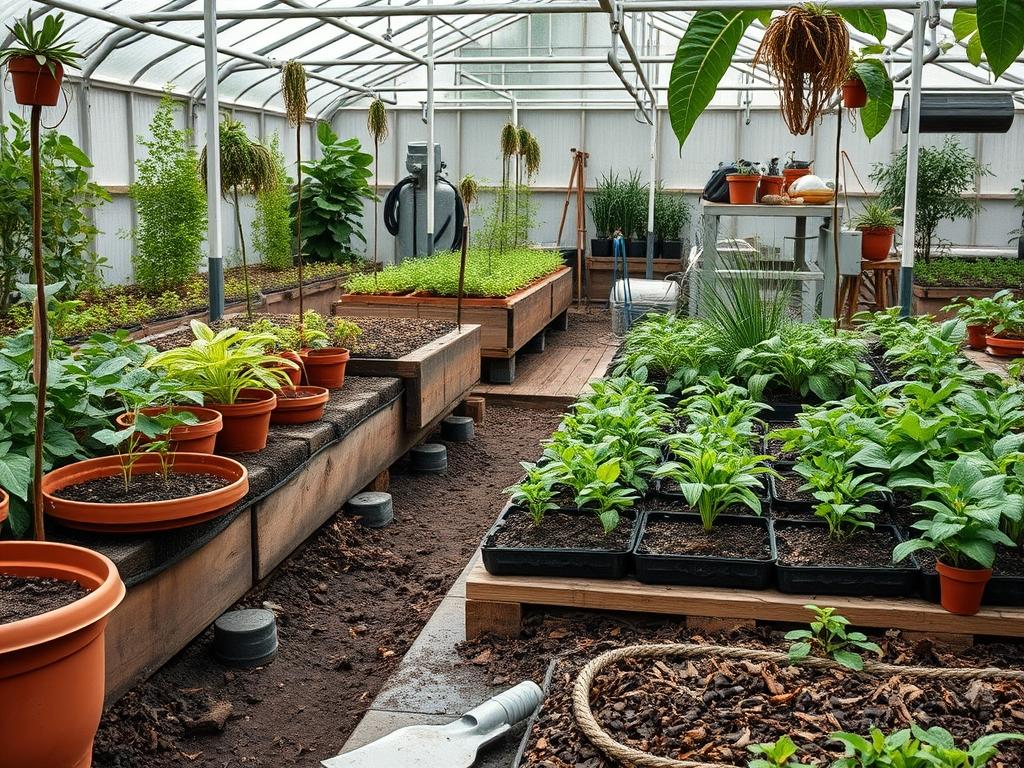
Modern landscape architecture focuses on the intersection of aesthetic brilliance and environmental stewardship. The traditional method of setting a mechanical timer and hoping for the best is archaic; it leads to water waste, plant disease, and inflated utility bills. Today, smart irrigation design tips center on precision, data, and adaptability. Every drop of water must serve a specific purpose, whether it is nourishing a specimen Japanese Maple or maintaining the lush green of Kentucky Bluegrass. Achieving high-tech efficiency requires a shift in perspective. Instead of viewing a garden as a static painting, we must treat it as a living, breathing ecosystem that responds to local weather patterns, soil moisture levels, and evaporation rates. High-tech smart irrigation systems utilize Wi-Fi Controllers, Soil Moisture Sensors, and Weather-Based Evapotranspiration (ET) Sensors to automate the decision making process. This level of control allows homeowners to enhance their curb appeal while simultaneously reducing their environmental footprint. When planning an outdoor space, functionality must go hand in hand with beauty. A well-designed irrigation plan ensures that high-traffic areas, such as synthetic turf zones or natural lawns, receive the exact amount of hydration needed to stay resilient against foot traffic and heat stress.
Landscape Design Principles
Successful landscaping is built upon a foundation of structural integrity and visual harmony. Symmetry plays a vital role in formal designs, where mirrored plantings create a sense of order and calm. However, symmetry in a high-tech garden also requires hydraulic balance. If you have a row of Italian Cypress on both sides of a driveway, your irrigation system must deliver equal pressure to every emitter to ensure uniform growth. Focal points, such as a large Basalt Fountain or a majestic Oak Tree, serve as the anchor for the visual narrative. These areas often require specialized irrigation zones because their water needs differ significantly from the surrounding groundcover.
Elevation layers are another critical consideration. Modern designers use verticality to create interest, employing Retaining Walls and terraced garden beds. From an irrigation standpoint, elevation changes introduce the challenge of low-head drainage, where water settles at the lowest point of the system after it is turned off. Utilizing Check Valves in every sprinkler head prevents this pooling, protecting the plants at the bottom of the slope from root rot. Walkways and hardscaping elements like Stone Pavers or Poured Concrete must be planned alongside the piping layout. Running PVC Sleeves under permanent structures during the construction phase is a crucial step that prevents the need for costly excavation later. Finally, visual balance is achieved by layering plants of varying heights, ensuring that the irrigation spray pattern is not blocked by tall foliage, which would leave the plants behind them parched.
Plant and Material Selection
| Plant Type | Sun Exposure | Soil Needs | Water Demand | Growth Speed | Maintenance Level |
| :— | :— | :— | :— | :— | :— |
| English Lavender | Full Sun | Well-drained/Sandy | Low | Moderate | Low |
| Dwarf Boxwood | Full/Part Sun | Loamy/Rich | Medium | Slow | High (Pruning) |
| Blue Leaf Hosta | Full Shade | Moist/Organic | High | Moderate | Low |
| Little Bluestem | Full Sun | Poor/Sandy | Very Low | Fast | Minimal |
| Serviceberry | Full/Part Sun | Acidic/Moist | Medium | Moderate | Medium |
| Red Feather Fern | Full Shade | Humus-rich | High | Slow | Medium |
| Sedum Autumn Joy | Full Sun | Any/Well-drained | Very Low | Moderate | Low |
Implementation Strategy
The transition from a design concept to a physical landscape requires a methodical approach. The first step in any implementation strategy is site grading. Proper grading ensures that surface water moves away from home foundations and toward designated drainage areas or subterranean French Drains. Once the rough grade is established, the layout of the hardscaping and softscaping begins. Before any plants go into the ground, the main irrigation lines and Valves should be installed. Professional installers use Schedule 40 PVC for main lines and Polyethylene Tubing for lateral drip lines to ensure longevity.
Edging provides the clean lines that define modern gardens. Whether using Steel Edging or Plastic Benders, this barrier keeps aggressive grasses from invading mulch beds. Speaking of mulch, applying a layer of Hardwood Mulch or Cedar Bark to a depth of precisely 3 inches is one of the most effective smart irrigation design tips. Mulch acts as an insulator, reducing soil temperature and slowing evaporation, which allows the irrigation system to run for shorter durations. If the design includes a backyard patio or outdoor kitchen, the irrigation must be zoned separately to avoid overspray on outdoor furniture or cooking equipment. Using Pressure-Regulated Spray Heads ensures that the water droplets are heavy enough to resist wind drift, keeping the water on the plants and off the masonry.
Common Landscaping Failures
One of the most frequent mistakes in landscape design is poor drainage planning. When water has nowhere to go, it collects in stagnant pools, creating a breeding ground for mosquitoes and anaerobic soil conditions that kill even the hardiest species. Another failure is root overcrowding. It is tempting to plant closely for immediate impact, but failing to account for the mature width of a Spruce Tree or a sprawling Hydrangea leads to competition for nutrients and water. Eventually, the stronger plant will choke out the weaker one, leaving gaps in the landscape.
Improper spacing of irrigation heads is a technical failure that ruins many professional projects. If the heads are spaced too far apart, the garden will suffer from “donuts,” which are rings of green grass surrounding a brown, dry center. Soil compaction is another hidden enemy. During construction, heavy machinery compresses the earth, destroying the pore spaces that hold air and water. If the soil is not properly aerated before planting, the roots will struggle to penetrate the ground, regardless of how much water the smart system provides. Finally, a lack of system calibration is a major oversight. A high-tech controller is only as good as the data it receives. If the sensors are placed in a rain shadow or a permanently shaded area, they will provide inaccurate readings to the main hub.
Seasonal Maintenance
A truly smart landscape is not a “set it and forget it” endeavor. In the spring, a comprehensive system audit is necessary. This involves checking every nozzle for clogs, cleaning Y-Filters on drip lines, and Ensuring that the Rain Sensor is unobstructed. As the transition to summer occurs, the irrigation schedule must be adjusted to account for higher temperatures and longer daylight hours. Utilizing the “soak and cycle” method, where water is applied in short bursts with breaks in between, allows the moisture to penetrate deep into the Clay or Loam Soil rather than running off the surface.
Autumn maintenance focuses on preparation. This is the time to replenish mulch levels to protect roots from the coming frost and to aerate the lawn to alleviate a season of compaction. In colder climates, winterizing the irrigation system is non-negotiable. This involves using a High-Volume Air Compressor to blow all the water out of the lines to prevent pipes from bursting when the ground freezes. For the plants themselves, wrapping sensitive species in Burlap and applying an anti-desiccant spray can help them survive the drying winter winds.
Professional Landscaping FAQ
What is the best way to reduce water waste?
Incorporate Drip Irrigation for garden beds to deliver water directly to the root zone. This eliminates evaporation and overspray. Combining this with a Smart Wi-Fi Controller allows for real-time adjustments based on local weather forecasts and humidity levels.
How do soil sensors improve plant health?
Soil Moisture Sensors measure the actual volumetric water content at the root level. By preventing overwatering, they stop the leaching of essential nutrients and reduce the risk of fungal diseases, ensuring that plants only receive water when they truly need it.
Can I integrate old systems with new technology?
Yes, most existing systems can be upgraded. You can replace an old mechanical timer with a Smart Hub and swap out standard nozzles for High-Efficiency Rotary Nozzles. This simple transition can improve water efficiency by up to 30 percent without digging.
What mulch is best for moisture retention?
Triple-Shredded Hardwood Mulch is excellent because it mats together to form a protective barrier. It stays in place during heavy rains and slowly decomposes, adding organic matter to the soil while keeping the ground beneath it cool and consistently moist during summer.
Why are native plants recommended for smart designs?
Native Plants are evolved to thrive in your specific climate and soil conditions. They typically require less supplemental water once established, possess natural resistance to local pests, and integrate perfectly with the local ecosystem, reducing the long-term maintenance burden.