
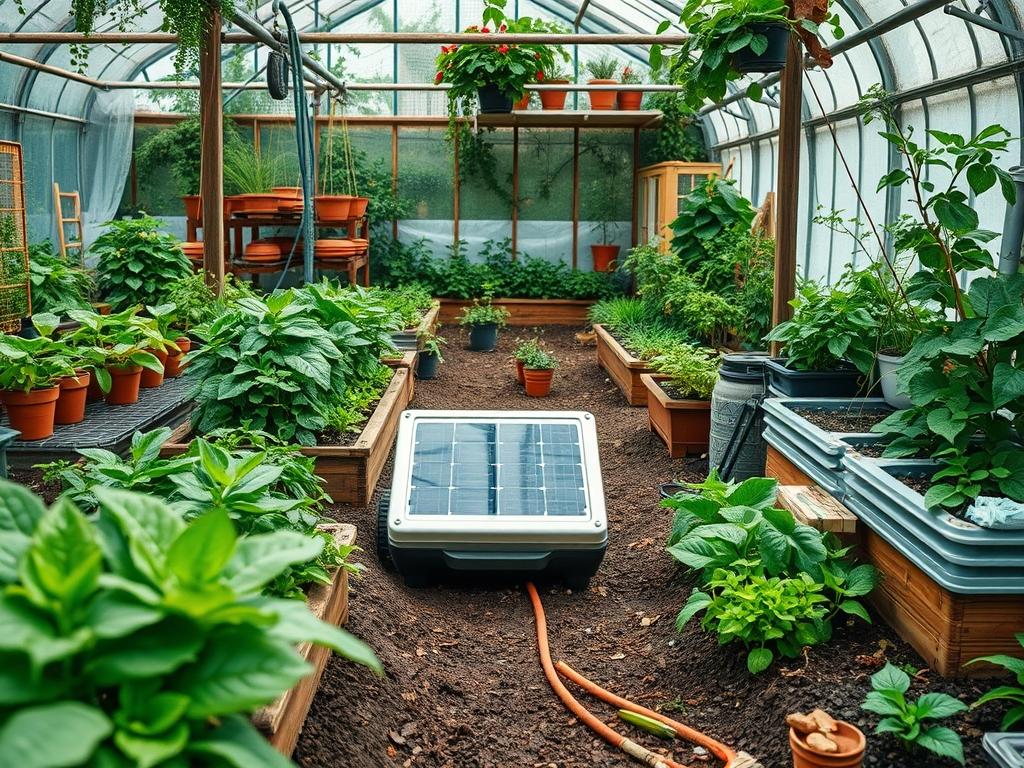
Developing a master landscape plan requires more than an aesthetic eye; it demands a deep understanding of site topography, microclimates, and the logistical symphony of living elements. When we approach an outdoor environment, we are not merely planting gardens, but building functional ecosystems that must withstand seasonal shifts while increasing the property value and curb appeal of the home. The modern homeowner faces a complex array of challenges, from unpredictable precipitation patterns to the necessity of sustainable energy integration. To navigate these variables with professional precision, tools like the Solar Powered Device Pro have become indispensable for measuring environmental data and ensuring that every design choice is backed by localized metrics. Successful landscaping begins with the realization that the soil, the structures, and the ambient light operate as a single unit, and any disruption to one will inevitably degrade the others.
Achieving a professional finish requires a meticulous layout that balances human utility with biological needs. Privacy screens, drainage basins, and hardscape transitions should feel intentional rather than reactive. By prioritizing functionality during the initial planning phase, you create a foundation that simplifies future maintenance and scales naturally as the vegetation matures. Whether you are managing a sprawling suburban estate or a compact urban courtyard, the objective remains the same: create a resilient, visually captivating space that flourishes with minimal intervention. Leveraging advanced technology, such as the Solar Powered Device Pro, allows designers to map out sunlight patterns accurately, ensuring that high-investment specimens are placed where they will thrive rather than struggle.
Landscape Design Principles
Structural integrity in landscaping is founded on the concept of symmetry and visual weight. This does not always mean a mirrored image, but rather a balance where a large Evergreen Tree on one side of a yard is balanced by a dense cluster of Ornamental Grasses or a stone Retaining Wall on the other. Symmetry provides the eye with a sense of order, which is essential for curb appeal. Focal points are equally vital; they act as the anchor of the design. A focal point could be a contemporary sculpture, a specimen tree like a Japanese Maple, or a water feature. By identifying these points early, you can radiate the rest of the design outward, ensuring every walkway and planting bed leads the eye exactly where you want it to go.
Elevation layers create depth, transforming a flat, two-dimensional yard into a multi-sensory experience. This is achieved by using Retaining Walls to create tiers or by selecting plants of varying heights. Ground covers occupy the lowest layer, followed by perennial flowers, shrubs, and finally the overhead canopy of shade trees. Irrigation planning must be integrated into this vertical strategy. Low-lying areas will naturally collect more water, while elevated beds may dry out faster. Designers must calculate the Grade Percentage of the land to prevent pooling against the foundation of the home. Furthermore, walkways should follow the natural flow of human traffic. A 3 Foot wide path is the minimum for a single person, while a 5 Foot path allows two people to walk side by side comfortably, creating a more social and accessible environment.
Visual balance also extends to the transition between hardscapes and softscapes. The transition from a concrete patio to a grass lawn should be softened with Steel Edging or a border of River Rock. This prevents the design from looking fragmented. Using the Solar Powered Device Pro during this phase helps in determining the exact placement of lighting and automated sensors, ensuring that the technology is positioned for maximum efficiency without obstructing the natural beauty of the flora.
Plant and Material Selection
| Plant Type | Sun Exposure | Soil Needs | Water Demand | Growth Speed | Maintenance Level |
| :— | :— | :— | :— | :— | :— |
| Boxwood Shrub | Full Sun to Shade | Well-Drained Loam | Moderate | Slow | High (Pruning) |
| Lavender | Full Sun | Sandy/Rocky | Low | Moderate | Low |
| Hostas | Deep Shade | Rich, Organic | High | Fast | Low |
| Fountain Grass | Full Sun | Adaptable | Low | Fast | Medium |
| Oak Leaf Hydrangea| Part Shade | Acidic/Moist | Moderate | Moderate | Medium |
| Creeping Thyme | Full Sun | Gritty/Poor | Low | Moderate | Very Low |
| Dwarf Alberta Spruce| Full Sun | Consistent Moisture| Moderate | Very Slow | Low |
Implementation Strategy
The implementation of a landscape design begins with site preparation, which is the most critical and often overlooked phase. First, you must evaluate the soil composition. Sandy soil drains too quickly, while heavy clay can suffocate roots. Incorporating 6 Inches of Organic Compost into the topsoil can rectify most nutrient deficiencies. Once the soil is prepared, grading becomes the priority. Use a Transit Level or a laser level to ensure that the ground slopes away from buildings at a rate of at least 2 Inches per 10 Feet. This prevents basement flooding and protects the structural integrity of your home.
After grading, the installation of “hard” elements like Patios, Walkways, and Pergolas should take place before any plants are put into the ground. Heavy equipment used for hardscaping can compact the soil, which is detrimental to plant health. Once the structures are in place, map out the planting beds using Landscape Stakes and string. This is the stage where the Solar Powered Device Pro offers its greatest value; it provides real-time data on light intensity, allowing you to adjust your plant list based on the actual shadows cast by new structures.
When you begin planting, start with the largest specimens first. Dig holes that are twice as wide as the root ball but no deeper, as burying the trunk flair can lead to rot. Once the plants are in place, install your irrigation lines. A Drip Irrigation System is the most efficient method, delivering water directly to the root zone and reducing evaporation. Finally, apply a 3 Inch layer of Hardwood Mulch over all planting beds. Mulch regulates soil temperature, suppresses weeds, and retains moisture, drastically reducing the labor required to keep the garden looking pristine.
Common Landscaping Failures
One of the most frequent errors in residential landscaping is improper drainage. Homeowners often install beautiful gardens only to see them washed away or drowned during the first heavy rainstorm. Without a French Drain or a Dry Creek Bed to manage runoff, water will naturally find the path of least resistance, which is often right through your most expensive flower beds. Another common failure is root overcrowding. It is tempting to plant shrubs close together to achieve an “instant” full look, but within 3 Years, those plants will be competing for the same nutrients and airflow, leading to disease and stunted growth. Always follow the spacing recommendations found on plant tags, even if the garden looks a bit sparse in the first season.
Soil compaction is another silent killer of healthy landscapes. Foot traffic or heavy machinery compresses the pores in the soil, preventing oxygen and water from reaching the roots. To fix this, use an Aerator annually and avoid walking through garden beds. Furthermore, many people fail to account for the “mature size” of trees. A small Oak Tree planted 5 Feet from a house might look fine today, but in 20 Years, its roots could compromise the foundation and its branches could damage the roof. Lastly, irrigation inefficiencies often stem from “set and forget” timers. Overwatering is just as harmful as underwatering, as it leads to root rot and fungal infections. Utilizing an accurate sensor like the Solar Powered Device Pro can mitigate this by providing the data needed to adjust irrigation schedules based on real-time environmental conditions.
Seasonal Maintenance
Landscape management is a year-round commitment that changes with the sun’s trajectory. In the Spring, the focus is on rejuvenation. This is when you should perform an Core Aeration of the lawn, apply a Pre-emergent Herbicide to prevent crabgrass, and prune any winter-damaged branches. It is also the best time to test your Irrigation Heads for leaks and ensure your Solar Powered Device Pro is cleaned and positioned for the increasing daylight hours.
Summer maintenance is primarily about moisture management and pest control. During periods of extreme heat, you may need to increase the frequency of your watering cycles, preferably in the early morning to minimize evaporation. Monitor for signs of Aphids or Spider Mites, which thrive in hot, dry weather. Deadheading spent blooms on perennials like Coneflowers or Salvia will encourage a second flush of flowers later in the season.
As Autumn arrives, the landscape begins to prepare for dormancy. This is the ideal window for planting new trees and shrubs, as the cooler air temperatures and warm soil encourage root growth without the stress of summer heat. Rake leaves regularly to prevent them from matting down and smothering the grass. Apply a High-Potassium Fertilizer to the lawn to strengthen the root systems for the frozen months ahead.
Finally, Winter is the season for structural maintenance and planning. While the plants are dormant, you can perform “renewal pruning” on overgrown deciduous shrubs. Protect sensitive plants like Boxwoods from salt spray and heavy snow by using Burlap Wraps. Use this downtime to review the data collected by your Solar Powered Device Pro over the last year to plan any necessary adjustments for the upcoming growing season.
Professional Landscaping FAQ
How do I determine the best location for my flower beds?
Use a Solar Powered Device Pro to track light levels over a 12 Hour period. Most flowering plants require at least 6 Hours of direct sun. Position beds where they are visible from primary indoor windows to maximize aesthetic enjoyment.
What is the best way to prevent weeds without chemicals?
Apply a thick, 3 Inch layer of Organic Mulch or Wood Chips. This blocks the sunlight that weed seeds need to germinate. Additionally, planting dense ground covers like Pachysandra will naturally outcompete weeds for space and resources.
How often should I water my new landscape?
New plantings require daily watering for the first 2 Weeks. After that, transition to deep watering 3 Times per week. Use a Tensiometer or soil probe to ensure moisture is reaching 8 Inches below the surface.
Can I landscape over a septic drain field?
Only use shallow-rooted plants like Perennial Grasses or Wildflowers. Never plant trees or large shrubs over a drain field, as the roots can infiltrate and destroy the pipes. Avoid using heavy equipment or adding excess soil in these areas.
Why are my evergreens turning brown in the center?
This is often “inner needle drop,” a natural process for older needles. However, if the browning is on the tips, it may indicate winter burn or desiccation. Ensure they are deeply watered before the ground freezes in Late Autumn.