
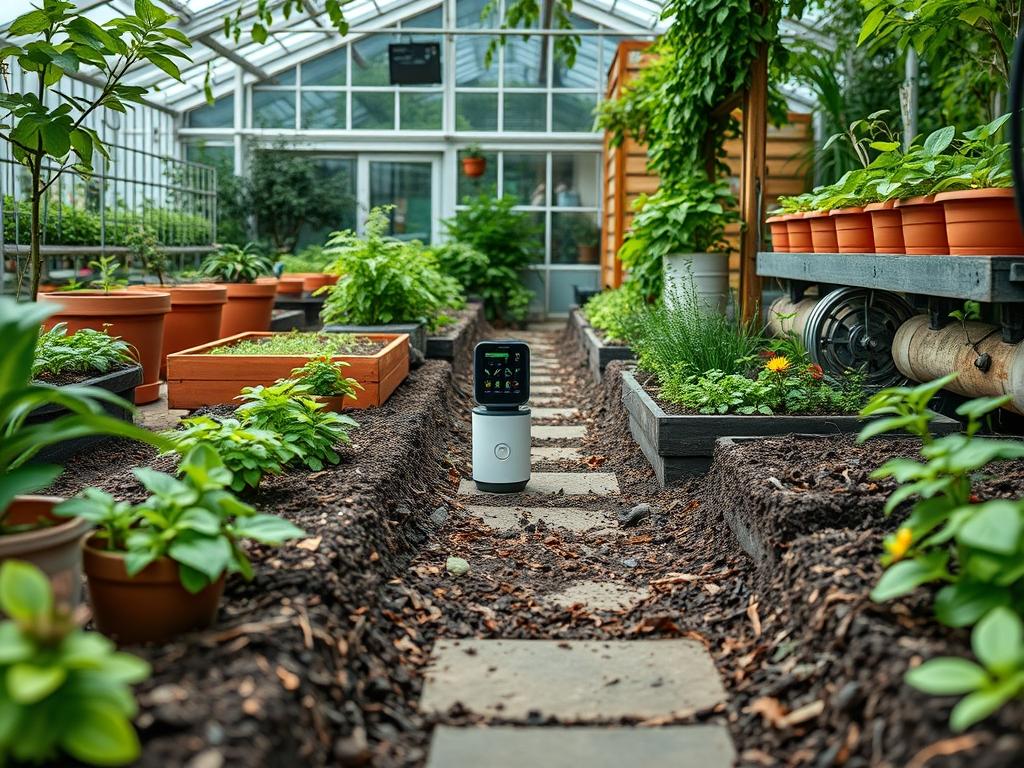
Modern landscaping has transitioned from a purely aesthetic endeavor into a complex integration of biological science and architectural precision. For the high end residential property, the outdoor environment serves as a direct extension of the interior living space; therefore, it reflects the programmatic needs of the inhabitants while addressing the ecological constraints of the site. A well executed landscape plan must balance visual appeal with functional longevity, ensuring that the retaining walls, drainage systems, and plant palettes work in harmony. This comprehensive approach is significantly enhanced by the data provided in our Smart Garden Sensor Guide, which allows practitioners to monitor subterranean conditions that would otherwise remain invisible. By understanding the microclimates of a property, from the wind tunnels created by building massing to the various soil horizons, a designer can mitigate risks associated with climate volatility. The ultimate goal is to create a resilient ecosystem that elevates curb appeal while providing a measurable return on investment through reduced water waste and plant mortality.
Landscape Design Principles
Successful landscape architecture relies on a foundation of structural balance and spatial hierarchy. Symmetry, whether formal or informal, provides a sense of order that guides the eye toward specific focal points, such as a sculptural specimen tree or a bespoke water feature. In large scale residential projects, we often utilize the rule of thirds to place significant elements, ensuring the composition does not feel stagnant or overly congested. Elevation plays a critical role in defining these spaces. By introducing tiered garden beds or sunken seating areas, we create “outdoor rooms” that offer varying perspectives of the property.
Irrigation planning is perhaps the most vital component of the design phase. We advocate for a “hydrozoning” strategy, where plants with similar watering requirements are grouped together. This prevents the common issue of overwatering drought tolerant species while drowning high moisture plants. Using the Smart Garden Sensor Guide, designers can calibrate drip irrigation lines to deliver precise volumes of water based on real time soil moisture readings. Furthermore, the selection of walkways and pathways should prioritize permeability. Using crushed gravel or permeable pavers allows rainwater to infiltrate the ground naturally, reducing the load on municipal storm systems. Visual balance is achieved by layering heights, starting with groundcover, moving to perennial shrubs, and finishing with a high canopy layer. This verticality adds depth and makes even small suburban lots feel expansive and lush.
Plant and Material Selection
The following table outlines high performance species and materials frequently specified in modern sustainable designs. Each selection is chosen for its ability to thrive in managed environments when supported by technological monitoring.
| Plant Type | Sun Exposure | Soil Needs | Water Demand | Growth Speed | Maintenance Level |
| :— | :— | :— | : :— | :— | :— |
| Lavandula angustifolia | Full Sun | Well-drained sandy | Low | Moderate | Low |
| Acer palmatum | Partial Shade | Loamy/Rich | Moderate | Slow | Medium |
| Carex pensylvanica | Shade/Part Sun | Moist/Sandy | Moderate | Slow | Very Low |
| Picea pungens | Full Sun | Clay/Loam | Low | Slow | Low |
| Hydrangea macrophylla | Partial Shade | Humus-rich | High | Fast | High |
| Buxus sempervirens | Variable | Well-drained | Moderate | Slow | High (Pruning) |
In addition to plant life, material selection defines the texture of the space. We prioritize natural stone, weathering steel, and hardwood decking for their durability and lack of chemical off-gassing. When selecting mulch, we recommend shredded cedar or pine bark at a depth of 3 inches to suppress weeds and maintain consistent soil temperature.
Implementation Strategy
The transition from a blueprint to a physical garden requires a disciplined, multi step implementation strategy. The process begins with site grading, which is the most critical phase for the lifespan of the property. We use laser levels to ensure that the ground slopes away from the home foundation at a minimum of 2 percent grade. If the terrain is naturally steep, we implement stone retaining walls with built in weep holes to manage hydrostatic pressure.
Once the skeleton of the site is established, we move to the installation of hardscape elements. Sub-base compaction using a vibratory plate compactor is essential for patios to prevent future settling or cracking. After the hardscape is set, we install the irrigation manifold and connect it to a smart controller. Integrating the Smart Garden Sensor Guide at this stage allows the installation team to verify that every zone is receiving uniform coverage before the first plant is in the ground.
Planting begins with the largest specimens, typically Balled and Burlapped (B&B) trees. We dig planting holes that are 2 times wider than the root ball but no deeper, ensuring the root flare is level with the soil surface. This prevents “trunk rot” and allows for better gas exchange. Finally, we install steel edging to create clean transitions between turf and garden beds, followed by the application of organic compost and a final layer of mulch.
Common Landscaping Failures
The most frequent failure we encounter in forensic landscape audits is poor drainage. When water pools near the root zone, it displaces oxygen, leading to anaerobic conditions and various fungal pathogens. Many contractors neglect to install a French drain or catch basin in low lying areas, assuming that the soil will eventually absorb the excess. However, in regions with high clay content, the soil acts like a sponge that has reached maximum capacity, eventually drowning the root systems of expensive ornamental trees.
Another common mistake is root overcrowding. Designers often plant for “instant impact,” placing shrubs too close together without considering their mature spread. Within five years, these plants compete for light and nutrients, leading to stunted growth and legginess. Soil compaction is the silent killer of urban landscapes. Heavy machinery used during construction compresses the pore space in the soil, making it impossible for roots to penetrate. We recommend radial trenching or air-spading to decompact the soil around existing trees. Finally, “volcano mulching,” which is the practice of piling mulch high against the bark of a tree, must be avoided. It traps moisture against the trunk and invites wood boring insects and rot.
Seasonal Maintenance
To protect the investment, a landscape requires a proactive, four season management plan. In the Spring, the focus is on “awakening” the garden. This involves a thorough soil test to determine nutrient deficiencies. We apply a slow release fertilizer (10-10-10) and perform structural pruning on deciduous trees before the buds break. It is also the time to recalibrate the Smart Garden Sensor Guide to ensure it reflects the higher water needs of the growing season.
Summer maintenance is dominated by water management and pest monitoring. We increase the frequency of mowing, but we raise the mower blade to 3.5 inches to shade the soil and reduce evaporative loss. Autumn is the period for “bed preparation.” We plant spring flowering bulbs and apply a fresh layer of organic mulch to insulate roots against the coming frost. It is also the ideal time for aeration and overseeding of the turf. Winter is the season of dormancy, yet it is crucial for “structural pruning” of fruit trees and the winterization of irrigation systems. We blow out all water lines with compressed air to prevent pipe bursts in freezing temperatures.
Professional Landscaping FAQ
1. How do I determine the best location for my trees?
Analyze the arc of the sun and check for overhead utility lines. Identify subterranean pipes using a utility locator. Ensure the location allows for the mature height and canopy spread of the specific species without hitting structures.
2. Does the Smart Garden Sensor Guide work in heavy clay?
Yes, but you must calibrate the sensors for high soil density. Clay retains moisture longer than sand, so the sensor thresholds must be adjusted to prevent the system from triggering irrigation when the root zone is already saturated.
3. What is the ideal depth for garden bed mulch?
We recommend a consistent depth of 3 inches. This thickness is sufficient to suppress weed germination and retain moisture while still allowing oxygen to reach the soil. Never let the mulch touch the base of the plant stems.
4. Can I install a patio directly over my septic field?
Generally, no. Heavy pavers and compacted base rock can crush pipes or interfere with the evaporation process necessary for the system. Keep hardscaping and large woody shrubs away from the leach field to avoid expensive repairs.
5. How often should I perform a professional soil test?
A professional soil analysis should be conducted every 2 to 3 years. This ensures that your fertilization program is based on scientific data rather than guesswork, preventing the over-application of Nitrogen and Phosphorus which can harm local waterways.