
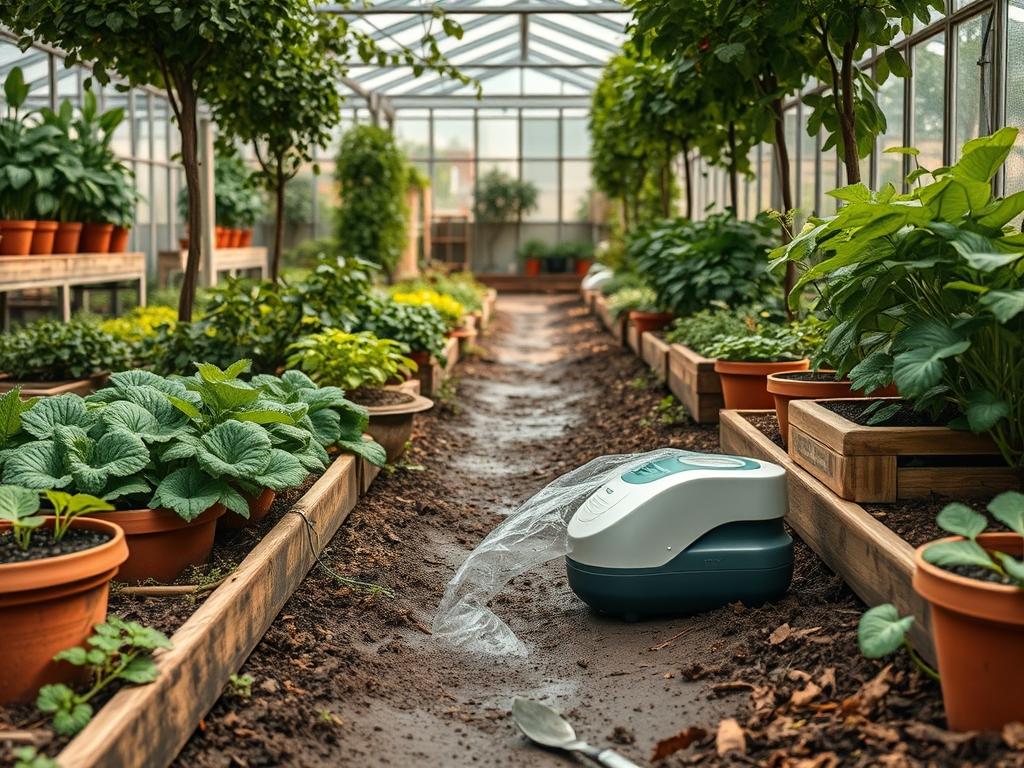
The evolution of residential architecture has reached a tipping point where the exterior environment is no longer just a frame for the house, but a high-performance extension of the living space itself. Modern landscaping demands a sophisticated balance between aesthetic grandeur and mechanical efficiency. As a landscape architect, I have watched the industry shift from manual intensive labor toward integrated systems that monitor the health of every square foot of soil. Designing a garden today requires more than just an eye for color; it requires an understanding of how technology interacts with biology. The primary challenge for any homeowner is creating a landscape that withstands volatile climate shifts while maintaining peak curb appeal with minimal human intervention. By integrating specific Automated Garden Device Tips into the initial design phase, the transition from a construction site to a flourishing ecosystem becomes seamless.
Outdoor functionality goals are now centered on two pillars: sustainability and leisure. We aim to reduce water waste through precision delivery while maximizing the visual impact of every shrub and retaining wall. A well-planned landscape increases property value by up to twenty percent, but a poorly planned automated system can lead to systemic failures like root rot or equipment damage. Success begins with understanding the site’s topography and how water moves across its surface.
Landscape Design Principles
Effective landscape design relies on the core principles of symmetry, focal points, and elevation layers. Symmetry provides a sense of order and tranquility, often achieved through mirror-image plantings along flagstone walkways or the centered positioning of a stone water feature. However, rigid symmetry can feel clinical, so we often introduce organic textures to soften the edges. Focal points are essential for guiding the eye; whether it is a specimen Japanese Maple or a modern sculptural lighting fixture, every zone needs a primary destination.
Elevation layers allow for a sense of depth and enclosure. We typically design in three tiers: the ground plane, the eye-level mid-story, and the overhead canopy. In an automated landscape, these layers must be planned relative to sensor coverage. For example, a soil moisture sensor placed under a dense mid-story shrub will provide a different reading than one in an open turf area. Furthermore, irrigation planning must account for “hydro-zoning,” which is the practice of grouping plants with similar water requirements together. Visual balance is maintained by ensuring that the mass of a stone wall is offset by the lightness of ornamental grasses like Miscanthus.
Plant and Material Selection
Choosing the right materials and flora is the most critical decision for long-term viability. The following table outlines some of the most reliable selections for modern, tech-assisted landscapes.
| Plant Type | Sun Exposure | Soil Needs | Water Demand | Growth Speed | Maintenance Level |
| :— | :— | :— | :— | :— | :— |
| Boxwood Shrub | Full Sun to Shade | Well-Drained | Moderate | Slow | Low |
| Lavender | Full Sun | Sandy/Alkaline | Low | Medium | Low |
| Hostas | Partial to Deep Shade | Rich/Moist | Moderate | Medium | Minimal |
| Dwarf Alberta Spruce | Full Sun | Acidic/Moist | Moderate | Very Slow | Low |
| Creeping Thyme | Full Sun | Poor to Average | Low | Fast | Minimal |
| River Birch | Full Sun/Partial Shade | Wet to Moist | High | Fast | Moderate |
When selecting hardscape materials, we prioritize durability. Natural slate, decomposed granite, and pressure-treated timber are staples in a designer’s palette. These materials must be installed with careful attention to how they will interact with automated tools, such as ensuring robotic mower boundary wires are buried at the correct depth beneath paver stones.
Implementation Strategy
The transition from a blueprint to a physical garden requires a disciplined step-by-step approach. The first phase is always grading and drainage. Before a single plant is placed, the land must be pitched at a minimum two percent slope away from the home’s foundation. We install 4-inch perforated PVC piping for French drains in areas where water tends to pool. Once the skeleton of the landscape is fixed, we focus on edging. A crisp edge between the lawn and the garden bed is not just for looks; it acts as a physical barrier for automated mowers and prevents invasive grass from entering the mulch zones.
Next, the irrigation infrastructure is laid down. This involves trenching for polyethylene tubing and installing smart valves that connect to local weather stations. One of the best Automated Garden Device Tips is to install these lines slightly deeper than the standard 6 inches to avoid accidental damage during future aeration or planting. After the plants are in the ground, a 3-inch layer of organic cedar mulch is applied. This prevents weed growth and retains moisture, significantly reducing the workload for your automated irrigation system. Finally, we address hardscaping by laying geotextile fabric beneath any stone or gravel to prevent soil migration.
Common Landscaping Failures
Failure in the landscape often stems from poor infrastructure rather than the plants themselves. Drainage mistakes are the most frequent culprit. When water is allowed to sit against a concrete foundation or around the root balls of native oaks, it leads to structural damage and fungal infections. Another common issue is root overcrowding. It is tempting to plant for “instant impact,” but a shrub that is 3 feet wide at the nursery may grow to 10 feet in five years. Without proper spacing, plants compete for nutrients and airflow, leading to stunted growth.
Soil compaction is another silent killer, especially after heavy construction. Heavy machinery compresses the soil, destroying the air pockets necessary for root respiration. We use core aerators to combat this. Irrigation inefficiencies also lead to widespread failures. Over-watering is actually more common than under-watering in automated systems. Homeowners often set a schedule and forget it, leading to “volcano mulching” where excess moisture rots the bark of trees. Proper sensor calibration is the only way to ensure the system responds to real-time environmental data rather than a rigid, inaccurate timer.
Seasonal Maintenance
A proactive maintenance schedule ensures that your high-tech landscape remains a high-value asset.
Spring is the season of activation. We begin by inspecting all drip emitters and sprinkler heads for clogs or winter damage. The soil is tested for pH levels, and a slow-release granular fertilizer is applied to provide the nutrients required for the spring flush. We also recalibrate robotic mower blades to ensure a clean cut, which prevents grass disease.
Summer focuses on water management and heat stress. This is when your Automated Garden Device Tips become most relevant. Monitor your smart controller to ensure it is increasing frequency during heat waves while respecting local water restrictions. It is also the time for “deadheading” flowering perennials to encourage a second bloom cycle.
Autumn is dedicated to protection and preparation. We blow out irrigation lines using an air compressor to prevent freezing and bursting during the winter. This is also the best time for planting new trees or shrubs, as the cooler air and warm soil promote rapid root development before dormancy. We apply a fresh layer of mulch to insulate root systems.
Winter is the time for structural maintenance. We prune deciduous trees while they are dormant to shape their canopy and remove diseased wood. Tech devices should be stored or covered. For example, robotic mower docking stations should be protected from heavy snow loads, and battery-powered sensors should be brought indoors to preserve their lifespan.
Professional Landscaping FAQ
How do smart irrigation controllers save water?
These devices use local weather data and soil moisture sensors to calculate the exact evapotranspiration rate. They only deliver water when the soil reaches a specific depletion threshold, preventing runoff and over-saturation during rainy periods or high-humidity days.
What is the ideal thickness for garden mulch?
A consistent 3-inch layer is the professional standard. This depth is sufficient to suppress weed germination and regulate soil temperature, yet thin enough to allow oxygen exchange. Avoid piling mulch against tree trunks to prevent bark decay.
How do I prevent my robotic mower from getting stuck?
Ensure all garden transitions are flush. Use metal or plastic edging buried at ground level. Fill any low spots or “potholes” in the turf with a sand and topsoil mix to create a perfectly level operating plane.
Which plants are best for low-maintenance automated gardens?
Focus on native species or hardy cultivars like Boxwoods, Sedums, and Ornamental Grasses. These plants have evolved to thrive in your specific climate zone and require less supplemental irrigation and fewer chemical interventions to stay healthy.
Is professional grading necessary for a new landscape?
Yes, improper grading is the primary cause of residential flooding. A professional ensures the land slopes away from structures at a rate of at least one inch per foot for the first ten feet, protecting your investment and your foundation.