
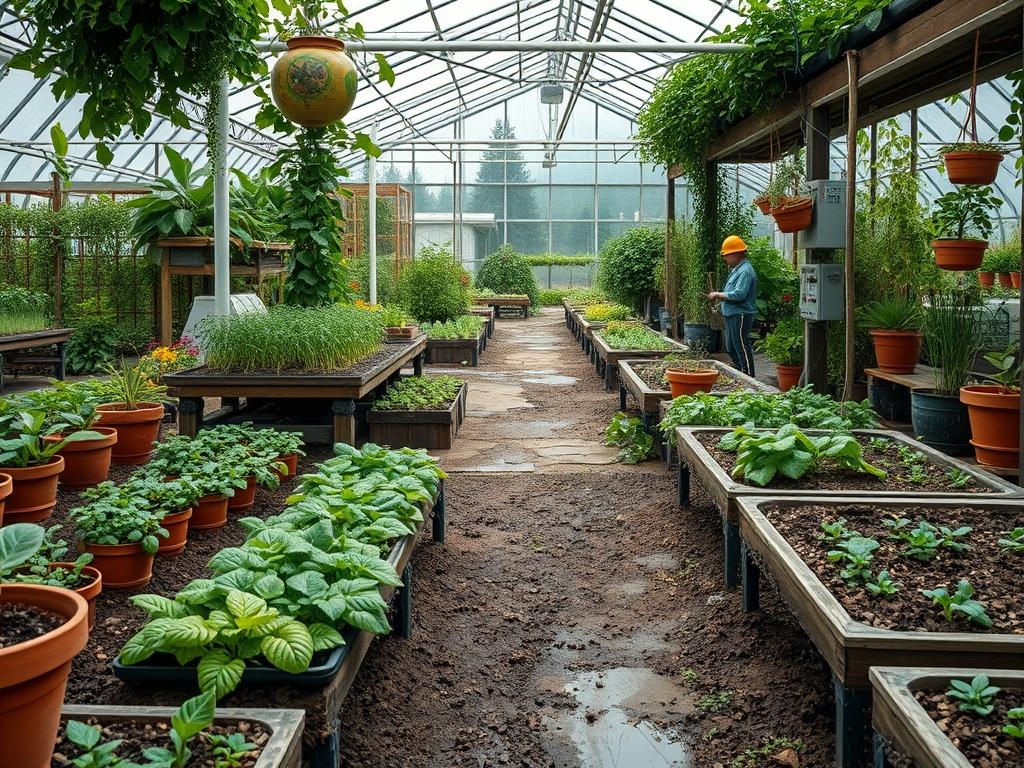
Developing a cohesive outdoor environment requires far more than placing a few shrubs in the soil and hoping for rain. As a landscape architect, I look at a property as a living organism where every element, from the limestone retaining walls to the micro-clover lawns, must function in architectural harmony. The primary challenge in modern residential design is balancing aesthetic ambition with environmental reality. Homeowners often desire lush, vibrant curb appeal that mimics estate gardens, yet they are increasingly faced with strict water mandates and shifting climate patterns. This is where the integration of a Smart Irrigation Flow Guide becomes the most critical asset in your planning phase. Without a technical roadmap for water distribution, even the most expensive boxwood hedges and ornamental maples are destined for premature decline. An effective landscape must serve multiple functions: it should manage storm water runoff, provide cooling shade through localized micro-climates, and offer an intuitive flow for human movement. Achieving this requires a deep understanding of site typography and hydraulic limitations before the first shovel ever touches the ground.
Landscape Design Principles
Successful landscaping is anchored in the marriage of geometry and biology. We begin with symmetry and visual balance, which does not necessarily mean creating a mirror image on either side of a driveway. Instead, it involves balancing the visual weight of different elements. A heavy group of evergreen conifers on one side of a yard can be balanced by a structured hardscape patio or a significant boulder installation on the other. Focal points act as the anchors for the eye; these might include a custom water feature, a specimen tree like a Japanese Maple, or a high-contrast architectural sculpture. These points of interest prevent the landscape from feeling cluttered or aimless.
Elevation layers play a vital role in creating depth and interest. By using tiered garden beds or terraced retaining walls, we can manipulate the viewer’s perception of space while simultaneously addressing functional needs like soil retention. The technical integration of an irrigation plan must happen during these early design phases. Utilizing a Smart Irrigation Flow Guide allows designers to map out hydro-zones, ensuring that high-water-demand plants are not sharing a circuit with drought-tolerant species. Walkways should be designed to follow the natural path of human travel, often using flagstone pavers or decomposed granite to provide stable footing that remains permeable to water. Visual balance is the final polish, ensuring that the height of the perimeter fencing and the spread of the canopy trees create a sense of enclosure without feeling claustrophobic.
Plant and Material Selection
Selecting the right biological components is the most common area where DIY projects fail. We must match the physiological needs of the plant to the specific metadata of the site.
| Plant Type | Sun Exposure | Soil Needs | Water Demand | Growth Speed | Maintenance Level |
| :— | :— | :— | :— | :— | :— |
| Dwarf Boxwood | Full to Partial | Loamy, Well-drained | Moderate | Slow | Moderate |
| Purple Coneflower | Full Sun | Poor to Average | Low | Medium | Low |
| River Birch | Full Sun | Moist, Acidic | High | Fast | Medium |
| Creeping Thyme | Full Sun | Sandy, Gritty | Low | Fast | Low |
| Hydrangea Macrophylla | Partial Shade | Rich, Humus | High | Medium | High |
| Blue Fescue | Full Sun | Well-drained | Low | Medium | Low |
| Emerald Green Arborvitae | Full Sun | Well-drained | Moderate | Medium | Low |
Materials should be selected for durability and local availability. When choosing mulch, cedar or hemlock varieties are often preferred for their pest-resistant properties and their ability to maintain a consistent 3 inch depth for moisture retention. For hardscapes, natural stone offers a timeless quality that manufactured concrete often lacks.
Implementation Strategy
The transition from a blueprint to a physical garden requires a disciplined order of operations. We start with grading and site preparation. Using a surveyor’s transit, the site must be pitched to ensure water flows away from the home foundation and toward designated drainage basins or rain gardens. Once the grade is established, the heavy infrastructure is installed. This includes trenching for PVC irrigation lines, low-voltage lighting cables, and gas lines for outdoor kitchens.
Following the infrastructure, we move to the hardscaping. Retaining walls must be built with a solid crushed stone base of at least 6 inches to prevent shifting during freeze-thaw cycles. After the structural elements are in place, we focus on the soil. Most construction sites have highly compacted “dead” soil; we must amend this with organic compost and topsoil to a depth of 12 inches in planting beds to ensure root penetration. The planting phase follows the Smart Irrigation Flow Guide to ensure each root ball is situated near its designated emitter or bubbler. Finally, we apply a consistent layer of shredded bark mulch to suppress weeds and regulate soil temperature, taking care not to pile it against the trunks of trees, which can cause rot.
Common Landscaping Failures
The most persistent failure in modern landscaping is improper drainage. It is common to see beautiful installations ruined by standing water that drowns root systems or causes fungal outbreaks. Without a French drain or proper surface grading, water will naturally find the lowest point, often resulting in erosion or basement leaks. Root overcrowding is another frequent mistake; beginners often plant for how the garden looks today rather than how it will look in 10 years. An Oak tree planted 5 feet from a foundation will eventually cause structural damage.
Soil compaction is a silent killer that prevents oxygen and water from reaching the root zone. This often happens during construction when heavy machinery is driven over planting areas. Finally, irrigation inefficiencies represent a massive waste of resources. Many homeowners rely on generic timers rather than a Smart Irrigation Flow Guide. This results in “ghost watering” during rainstorms or oversaturating the soil, which leads to nutrient leaching. If the nozzle trajectory is not adjusted, you end up watering the sidewalk rather than the turfgrass, leading to localized dry spots and wasted utility costs.
Seasonal Maintenance
A landscape is never truly finished; it is a perpetually evolving system that requires seasonal intervention. In the spring, the focus is on awakening the garden. This involves pruning dead wood from deciduous trees, applying a pre-emergent herbicide to prevent weed seeds from germinating, and testing the irrigation valves. Checking the Smart Irrigation Flow Guide during the spring ensures that after a winter freeze, all pressure regulators and backflow preventers are functioning correctly.
Summer maintenance is dominated by water management and pest control. During periods of high heat, it may be necessary to adjust the controller to provide deeper, less frequent watering to encourage deep root growth. Monitoring for aphids or mites on rose bushes is essential during these months. As we move into autumn, the priority shifts to cleanup and preparation for dormancy. This is the ideal time for aerating the lawn and planting bulbs for spring color. Debris must be cleared from gutters and drainage grates to prevent clogging. In winter, the goal is protection. We wrap sensitive evergreens in burlap to prevent windburn and ensure that all outdoor faucets are winterized and the irrigation lines are blown out with compressed air to prevent pipe bursts.
Professional Landscaping FAQ
How do I choose the best Smart Irrigation Flow Guide?
Select a guide that matches your specific soil type, slope, and plant zoning. Look for systems that integrate local weather station data and offer real-time flow monitoring to detect leaks or blockages within your PVC network immediately.
What is the best way to prevent weeds permanently?
Permanent prevention is impossible, but a 3 inch layer of hardwood mulch over a high-quality landscape fabric provides a significant barrier. Maintaining a thick, healthy turfgrass canopy will also naturally outcompete most invasive weed species for sunlight and nutrients.
Why is my new tree lose its leaves in summer?
This is often a sign of transplant shock or improper drainage. Ensure the tree was not planted too deep; the root flare should be visible at the soil surface. Use a soil moisture meter to determine if the roots are drowning.
Can I build a retaining wall myself?
Small walls under 24 inches are manageable for many, but anything higher requires structural engineering. Walls must include weepholes for water escape and a compacted gravel backfill to prevent the weight of wet soil from causing a total structural collapse.
Which plants are best for privacy screening?
Emerald Green Arborvitae and Nellie Stevens Holly are industry standards for dense, evergreen privacy. For a more modern look, consider ornamental grasses like Karl Foerster, which can reach heights of 5 feet and provide movement and texture in the wind.