
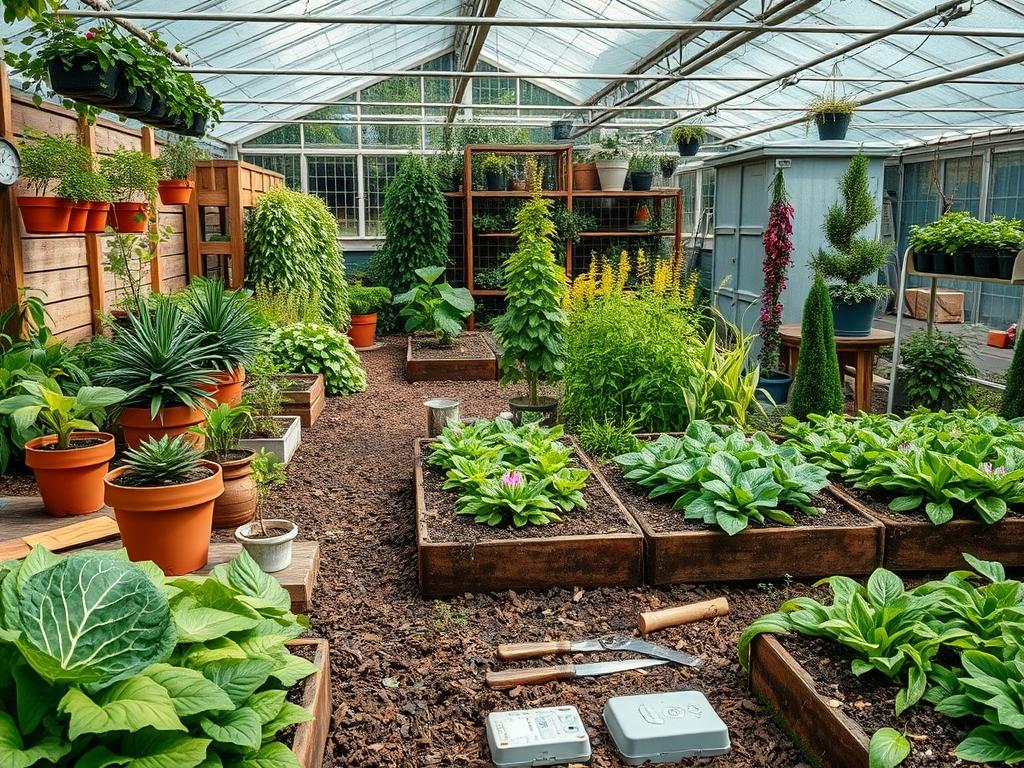
Designing a sophisticated outdoor environment requires a synthesis of architectural precision, botanical knowledge, and environmental stewardship. When homeowners and developers embark on a journey with Smart Garden Design Pro, the primary objective is to transform a passive plot of land into a high-performance ecosystem that increases property value and enhances lifestyle quality. Professional landscaping is not merely about aesthetic greenery; it is an engineering challenge that must account for soil mechanics, hydraulic pressure, regional microclimates, and the long term growth patterns of diverse biological assets. A well executed plan serves as an extension of the interior living space, providing a seamless transition from the structured indoors to the fluid beauty of the natural world. Achieving this requires a rigorous assessment of the terrain, including elevation changes that influence water runoff and the structural integrity of the site. Curb appeal acts as the secondary benefactor of this process, providing a visual narrative that communicates care, luxury, and intentionality to the surrounding community. By focusing on durability and ecological harmony, a professional landscape becomes a sustainable investment rather than a recurring cost.
Landscape Design Principles
The architecture of a garden relies on several core principles that guide the eye and define the movement of bodies through space. Symmetry and balance are the most immediate of these factors. In a formal landscape, mirror image planting creates a sense of order and tranquility. However, asymmetrical balance often provides a more dynamic and modern feel, using different elements of equal visual weight to create interest. For example, a large Oak tree on the left may be balanced by a dense cluster of boxwoods and a significant boulder on the right. Focal points serve as the anchors of the design; these are intentional destinations for the eye, such as a high end water feature, a specimen Japanese Maple, or a custom stone fireplace.
Elevation layers are equally critical in professional layouts. A successful design utilizes the vertical plane by layering plants from ground covers to mid story shrubs and finally to the overhead canopy. This mimics natural forest structures and creates a sense of enclosure and privacy. Irrigation planning must be integrated at the foundational stage, utilizing Smart Garden Design Pro methodologies to ensure that water delivery is targeted and efficient. This includes the use of drip irrigation lines and moisture sensors that prevent over watering while maintaining plant health. Furthermore, walkways should be designed with both flow and material durability in mind. Whether using flagstone, permeable pavers, or decomposed granite, the path must be wide enough for two people to walk comfortably, typically requiring a minimum width of 4 feet. Visual balance is achieved when the hardscape and softscape elements exist in a 1:2 ratio, ensuring the environment feels grounded but lush.
Plant and Material Selection
Selecting the right biological and structural components is the most variable part of the design process. Professionals must weigh the aesthetic desire against the realities of the local hardiness zone and soil pH. The following table outlines standard selections for a temperate, high performance landscape.
| Plant Type | Sun Exposure | Soil Needs | Water Demand | Growth Speed | Maintenance Level |
| :— | :— | :— | :— | :— | :— |
| Pillar Arborvitae | Full Sun | Loamy/Well-drained | Moderate | Fast | Low |
| Hydrangea Macrophylla | Partial Shade | Rich/Moist | High | Moderate | Medium |
| Blue Star Juniper | Full Sun | Sandy/Rocky | Low | Slow | Low |
| Purple Coneflower | Full Sun | Average/Dry | Low | Fast | Low |
| Japanese Forest Grass | Full Shade | Humus-rich | Moderate | Slow | Medium |
| River Birch Tree | Full/Part Sun | Wet/Acidic | High | Fast | Medium |
| Lavender | Full Sun | Gritty/Alkaline | Very Low | Moderate | High |
In addition to flora, the selection of hardscape materials like travertine, slate, and kiln-fired bricks defines the texture of the garden. Cedar mulch or pine bark nuggets should be chosen based on their decomposition rates and their ability to regulate soil temperature.
Implementation Strategy
The successful implementation of a Smart Garden Design Pro project follows a strict linear progression to avoid costly revisions. The process begins with site grading, which is the most vital step for long term stability. Proper grading ensures that water moves away from the foundation of the home at a minimum slope of 2 percent. Once the land is shaped, underground utilities such as PVC drainage pipes, low voltage lighting wires, and automated irrigation valves are installed.
Following the sub-surface work, the hardscape takes shape. Constructing retaining walls requires a base of compacted gravel and a perforated drain tile behind the wall to prevent hydrostatic pressure buildup. When the skeletons of the patios and paths are set, the focus shifts to soil amendment. Most construction sites have highly compacted, nutrient poor subsoil; professionals must integrate at least 4 inches of high quality organic compost and topsoil to ensure plant survival. Edging provides the clean lines that define a professional look. Steel edging or heavy duty plastic benders prevent grass from encroaching into the garden beds. Finally, plants are installed according to their mature size, followed by a 3-inch layer of mulch to retain moisture and suppress weeds. This systematic approach ensures that the garden is not just beautiful on day one but continues to thrive for decades.
Common Landscaping Failures
The most frequent failure in amateur landscaping is poor drainage management. Without a dedicated system, such as a French drain or a dry creek bed, water will pool in low spots, causing root rot and attracting pests. Another common error is root overcrowding. It is tempting to plant closely for immediate fullness, but failing to account for the mature spread of a Norway Spruce or a Willow tree will lead to stunted growth and structural competition. Improper spacing also inhibits airflow, which creates a breeding ground for fungal diseases like powdery mildew.
Soil compaction is often overlooked but can be fatal to a landscape. When heavy machinery or frequent foot traffic compresses the earth, oxygen cannot reach the roots, essentially suffocating the plant. Irrigation inefficiencies also plague many gardens. Using standard spray heads on a windy slope, for example, leads to massive water waste and dry patches. Finally, many owners fail to realize the importance of mulch depth. Applying mulch too thin allows sunlight to hit weed seeds, while “volcano mulching,” the practice of piling mulch against the trunk of a tree, traps moisture against the bark and leads to rot and insect infestation. Using Smart Garden Design Pro techniques helps identify these risks during the planning phase.
Seasonal Maintenance
A professional landscape is a living entity that requires specific care across the four seasons to maintain its peak condition.
Spring: This is the season of renewal and preparation. Begin by removing winter debris with a leaf rake. Perform a “hard prune” on ornamental grasses and certain flowering shrubs before new growth begins. Apply a pre-emergent herbicide to prevent weed seeds from germinating and refresh the mulch to a depth of 3 inches. Test the irrigation system for leaks or clogged nozzles caused by winter freezing.
Summer: Focus shifts to hydration and stress management. Deep watering in the early morning is essential to combat high evaporation rates. Monitor for pests like aphids or spider mites. Deadheading spent flowers on plants like Salvia or Roses will encourage a second flush of blooms. If using a lawn, increase the height of the mower blade to help the grass shade its own roots.
Autumn: This is the ideal time for planting new trees and shrubs, as the cooler air and warm soil promote root development. Clean up fallen leaves to prevent them from smothering the lawn. Apply a high potassium fertilizer to strengthen plants for the coming cold. It is also the time to plant spring flowering bulbs like Tulips and Daffodils.
Winter: Focus on structural protection. Wrap young trees in burlap to prevent frost cracks. Shut down and drain the irrigation system to prevent pipes from bursting. Perform “dormant pruning” on deciduous trees to improve their canopy structure without the stress of active growth.
Professional Landscaping FAQ
How can I reduce water consumption in my garden?
Incorporate native plants and install a smart irrigation controller that adjusts based on local weather. Replace thirsty turf areas with crushed stone or mulched beds to significantly lower weekly water requirements while maintaining a clean aesthetic.
What is the best way to handle a sloped yard?
Install a series of terraced retaining walls to create flat, usable planting pockets. This manages erosion and allows water to soak in rather than running off. Use ground cover plants with deep root systems to further stabilize the soil.
Why is soil testing important before planting?
A soil test reveals pH levels and nutrient deficiencies. Without this data, you might apply unnecessary fertilizer or plant species that cannot survive in your specific soil chemistry. This baseline ensures your Smart Garden Design Pro plan is scientifically sound.
How deep should my garden beds be?
For most ornamental plants, garden beds should have at least 12 inches of loose, amended soil. For larger shrubs and trees, the prepared area should be twice the width of the root ball to encourage outward lateral root expansion.
What is the benefit of using native plants?
Native plants are evolved to thrive in your specific climate and soil without excessive chemical intervention. They provide essential habitats for local pollinators and typically require less water and maintenance than exotic ornamental species once they are fully established.