
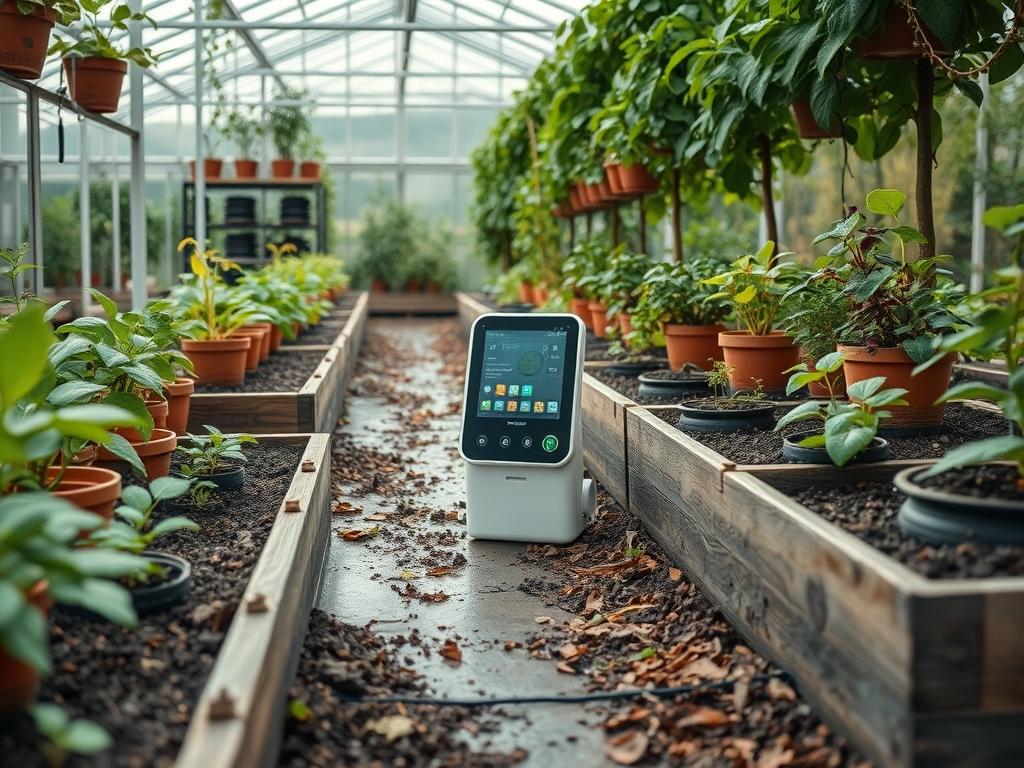
The transition from traditional gardening to sophisticated environment management represents a fundamental shift in how we perceive the modern estate. A high-end landscape is no longer merely a collection of ornamental plants and stone pathways; it is an integrated ecosystem where aesthetics and precision engineering meet. For the modern homeowner or developer, the challenge lies in balancing the immediate visual impact of curb appeal with the long-term sustainability of the site. This requires a deep understanding of local microclimates, soil chemistry, and the strategic integration of Smart Garden Device Tech. By leveraging data-driven insights into soil moisture, ambient temperature, and light levels, architects can now design spaces that thrive with minimal waste. The ultimate goal is to create a functional outdoor living area that feels like a seamless extension of the interior architecture while maintaining the biological health of the local flora.
Landscape Design Principles
Successful landscape architecture depends on a rigorous adherence to spatial logic and visual hierarchy. Symmetry serves as a primary tool for creating a sense of order, particularly in formal entries or courtyard designs. By mirroring plantings of Buxus sempervirens or utilizing paired Limestone pillars, a designer can anchor a space and direct the eye toward specific architectural features. However, symmetry must be balanced with rhythm. Repeating certain colors or textures throughout the garden creates a cohesive narrative that prevents the space from feeling disjointed.
Focal points act as the anchors of the outdoor environment. Whether it is a large Specimen Japanese Maple or a modern Steel water feature, these elements provide a destination for the eye. Around these points, we use elevation layers to build depth. Ground covers provide the foundation, followed by mid-sized shrubs, and finally the overstory canopy. This vertical stratification mimics natural forest edges and provides a sense of enclosure and privacy.
Irrigation planning is perhaps the most critical technical component of the design phase. We no longer rely on simple timers. Instead, we divide the property into hydrozones, grouping plants with similar water requirements together. This allows for the precise application of resources through Low-volume drip emitters and Pressure-compensating spray heads. When these systems are managed via Smart Garden Device Tech, they can adjust daily based on evapotranspiration rates, ensuring that the Kentucky Bluegrass lawn receives different treatment than the xeriscaped Agave garden. Visual balance is finally achieved through the thoughtful placement of walkways, using materials like Flagstone or Decomposed granite to provide clear circulation paths that respect the natural topography.
Plant and Material Selection
Selecting the right materials requires a detailed analysis of the site conditions. A common mistake is choosing plants based on aesthetics without considering the underlying soil profile or solar orientation. The following table outlines high-performance selections for various landscape applications.
| Plant Type | Sun Exposure | Soil Needs | Water Demand | Growth Speed | Maintenance Level |
| :— | :— | :— | :— | :— | :— |
| Carpinus betulus | Full Sun / Part Shade | Well-Drained Loam | Moderate | Medium | High (Pruning) |
| Lavandula angustifolia | Full Sun | Sandy / Alkaline | Low | Moderate | Low |
| Hydrangea quercifolia | Part Shade | Rich / Organic | High | Fast | Moderate |
| Carex pensylvanica | Shade / Part Sun | Variable | Low to Moderate | Slow | Very Low |
| Taxus x media | Full Sun to Shade | Well-Drained | Moderate | Slow | Moderate |
| Pennisetum alopecuroides | Full Sun | Moist / Fertile | Moderate | Fast | Low |
Implementation Strategy
The transition from a blueprint to a living garden requires a disciplined implementation strategy. The process begins with professional grading. Ensuring that the site slopes away from the home at a minimum of 2 percent grade is essential for protecting the foundation and preventing ponding. For areas with poor natural percolation, we install 4-inch perforated drainage pipes wrapped in Geotextile fabric and surrounded by Clean 3/4-inch crushed stone. These French drains carry excess water to a designated outfall or a Bio-retention swale.
Once the subgrade is established, hardscaping begins. This includes the installation of Retaining walls and Paver patios. Every wall over 36 inches in height should be engineered with proper deadman anchors and backfilled with gravel to manage hydraulic pressure. Following the hardscape, the irrigation mainlines and Smart Garden Device Tech sensors are buried. We place Soil moisture probes at varying depths, typically 6 inches for perennials and 12 to 18 inches for trees, to provide a comprehensive view of the root zone health.
Planting follows the layout. Each hole should be excavated to twice the width of the root ball but no deeper than the existing root flare. This ensures the plant does not settle too deep, which can lead to trunk rot. After planting, we apply a 3-inch layer of triple-shredded hardwood mulch. This mulch serves three purposes: it suppresses weed growth, regulates soil temperature, and retains moisture. Using Metal landscape edging provides a clean, permanent line between turf and planting beds, preventing the migration of grass into the ornamental areas.
Common Landscaping Failures
The most frequent cause of landscape decline is poor drainage. When water accumulates around the root zone, it displaces oxygen, leading to anaerobic conditions and root rot. Many homeowners attempt to solve this by adding more water, misinterpreting drooping leaves for dehydration when they are actually a sign of drowning. Similarly, soil compaction is a silent killer. During construction, heavy machinery compresses the earth, destroying the Macropores necessary for air and water movement. Using an Aerator or incorporating Organic leaf compost can help mitigate this, but prevention is always more effective.
Root overcrowding and improper spacing are hallmarks of amateur design. Designers often plant for immediate fullness, forgetting that a Thuja occidentalis can reach a width of 15 feet at maturity. This leads to poor air circulation and the rapid spread of fungal pathogens. Furthermore, ignoring the root flare during installation is a fatal error. If the soil is piled against the bark, it creates a moisture trap that invites borers and rot. Finally, inefficient irrigation often stems from “head-to-head” coverage failure. If the spray from one Rotor head does not reach the base of the next, dry spots will emerge, regardless of how advanced the underlying Smart Garden Device Tech might be.
Seasonal Maintenance
A high-end landscape is a dynamic asset that requires seasonal calibration. In the spring, the focus is on reactivation and nourishment. This involves testing the soil pH and applying a Slow-release granular fertilizer. We inspect the irrigation system for cracked pipes or clogged nozzles caused by winter’s freeze-thaw cycles. Pruning should be performed on summer-blooming shrubs like Abelia before the new growth begins.
Summer maintenance is dominated by water management and pest monitoring. This is where Smart Garden Device Tech becomes invaluable, as the systems can be set to “winterize” or “peak summer” modes with a single command. We raise mowing heights for Fescue lawns to 4 inches to provide shade for the soil and reduce evaporation.
Autumn is the season for renovation. This is the ideal time for Core aeration and Overseeding. We also cut back herbaceous perennials and clear debris to prevent overwintering pests. For woody plants, we apply a layer of Composted manure to recharge the nitrogen levels before the ground freezes.
Winter maintenance is largely protective. We wrap sensitive Evergreens in Burlap if they are exposed to harsh prevailing winds. We also ensure that the irrigation system is fully blown out with an Air compressor to prevent catastrophic pipe bursts. Monitoring for deer damage is also crucial during these months, as food sources become scarce and ornamental plants become targets.
Professional Landscaping FAQ
How does smart garden tech reduce water costs?
Smart systems use local weather data and Soil moisture sensors to prevent watering during rain or high wind. By delivering water only when the plant reaches a specific depletion point, you eliminate the waste associated with traditional mechanical timers.
What is the ideal thickness for mulch?
Maintain a depth of 2 to 3 inches. This provides enough coverage to suppress weeds and hold moisture without suffocating the soil. Never pile mulch against the trunks of trees, as this creates a “mulch volcano” that causes rot.
How do I fix a lawn with standing water?
The most effective solution is installing a French drain or a Dry well. These systems intercept surface runoff and subsurface water, directing it away from low spots and into a drainage field where it can safely dissipate.
When is the best time to prune most trees?
Pruning is generally best performed during late winter or early spring while the plants are still dormant. This reduces the risk of disease transmission and allows the plant to direct its spring energy toward healing the strategic cuts.
Why use native plants in a luxury landscape?
Native species are adapted to local rainfall patterns and soil types, requiring fewer chemical inputs and less supplemental water. They also provide essential habitats for local pollinators, creating a more resilient and ecologically balanced outdoor environment.