
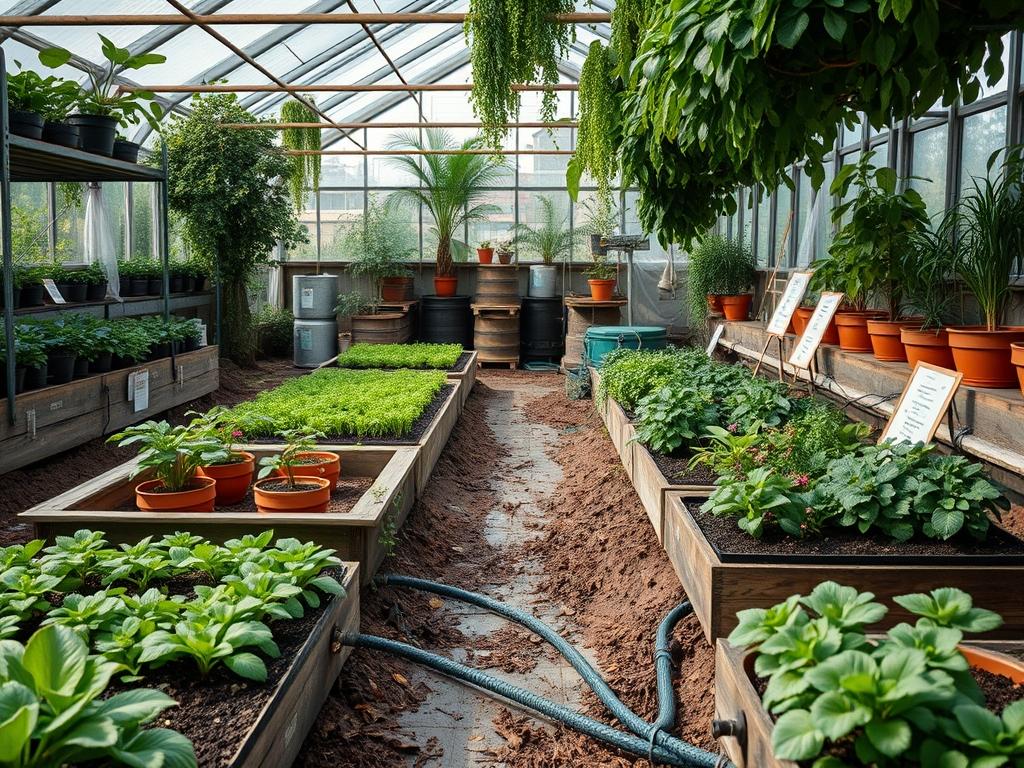
Modern landscaping requires a sophisticated balance between aesthetic ambition and technical precision. In an era of unpredictable weather patterns and increasing water costs, the traditional approach of visual-first design is no longer sufficient for high-end residential or commercial properties. A truly successful outdoor environment must function as a self-sustaining ecosystem where every element, from the limestone pavers to the irrigation manifold, works in concert to preserve the lifespan of the flora. The primary challenge for any landscape architect is managing the hydrological needs of a site without compromising on curb appeal or functionality. Achieving this balance depends heavily on the integration of advanced monitoring technology, specifically the Smart Irrigation Flow Pro, which provides the real-time data necessary to prevent over-watering and detect subsurface leaks before they cause structural damage to retaining walls or hardscaping.
Landscape Design Principles
Professional landscapes are built upon foundational principles that dictate how we experience outdoor spaces. Symmetry and proportion are the two most critical aspects of initial site planning. Formal designs often utilize bilateral symmetry, creating a sense of order and prestige through mirrored plantings of Green Velvet Boxwood or structured Hornbeam hedges. Conversely, informal designs rely on asymmetrical balance, using varying weights of color and texture to guide the eye toward a specific focal point, such as a large specimen Oak or a custom-built outdoor fireplace.
A key component often overlooked in the early design phase is the layering of elevations. Effective landscaping uses a three-tiered approach: the canopy, the mid-story, and the ground plane. The canopy provides shade and architectural height, while the mid-story offers privacy and floral interest. The ground plane, consisting of turf, creeping thyme, or decorative gravel, ties the diverse elements together. Integrating a Smart Irrigation Flow Pro at this stage is vital. By mapping out specific moisture zones based on elevation and drainage, designers can ensure that high-altitude plants do not starve for water while lower-elevation species suffer from root rot.
Visual balance must also account for the movement of water across the site. Grading is the unsung hero of landscape architecture. Ideally, a site should be graded with at least a 2 percent slope away from the home foundation to ensure proper runoff. This runoff must be captured and managed, often through the use of French drains or bioswales, to prevent erosion. When tech-forward systems like the Smart Irrigation Flow Pro are installed, they allow the user to monitor how much water is actually penetrating these layers, ensuring that the design intent matches the environmental reality.
Plant and Material Selection
The selection of plants determines the long-term maintenance burden and the overall health of the soil. Below is a guide for common high-performance landscape selections.
| Plant Type | Sun Exposure | Soil Needs | Water Demand | Growth Speed | Maintenance |
| :— | :— | :— | :— | :— | :— |
| English Lavender | Full Sun | Well-drained sandy | Low | Medium | Light Pruning |
| Japanese Maple | Partial Shade | Loamy, acidic | Moderate | Slow | Minimal |
| Dwarf Fountain Grass | Full Sun | Adaptable | Low | Fast | Annual Cutback |
| Hydrangea Macrophylla | Morning Sun | Rich, moist soil | High | Medium | Deadheading |
| Emerald Green Arborvitae | Full Sun | Moist, well-drained | Moderate | Medium | Seasonal Trimming |
| Creeping Juniper | Full Sun | Poor, rocky soil | Very Low | Slow | Negligible |
While plants provide the color, hardscape materials provide the structure. Selecting the right mulch is just as important as selecting the right flower. Cedar mulch is prized for its insect-repelling properties and its ability to retain moisture, whereas black dyed mulch is often chosen for its high-contrast visual appeal. For pathways, decomposed granite or flagstone set in polymeric sand creates a durable surface that remains permeable, allowing water to reach the roots of nearby trees.
Implementation Strategy
The transition from a blueprint to a finished garden requires a disciplined implementation strategy. The process begins with comprehensive site preparation. First, the area must be cleared of invasive species and existing debris using a mini-excavator or a skid steer for larger parcels. Once the site is cleared, the rough grading begins. It is essential to use a laser level to verify that the ground slopes correctly toward designated drainage points. This prevents the formation of “dead zones” where water pools and kills the fescue or zoysia grass.
After the grading is finalized, the irrigation infrastructure is installed. This is the optimal time to integrate the Smart Irrigation Flow Pro. This device should be positioned immediately after the backflow preventer to monitor the total water volume entering the system. The main line, typically 1-inch Schedule 40 PVC pipe, is trenched to a depth of 12 to 18 inches depending on the local frost line. Lateral lines then branch off to various zones, each controlled by a solenoid valve. Using the Smart Irrigation Flow Pro during the testing phase allows the installer to verify that each zone is receiving the exact gallons per minute (GPM) specified in the design.
Following the infrastructure work, the hardscaping is laid down. This includes the installation of 6-inch crushed stone bases for patios and the stacking of wall blocks for tiered gardens. Only after the “heavy” work is completed should the softscaping begin. Plants should be placed in their pots on-site to verify the spacing before any holes are dug. Digging a hole twice the width of the root ball ensures that new roots can easily penetrate the surrounding soil. Finally, a 3-inch layer of organic mulch is applied to the beds, leaving a small gap around the stems of plants to prevent fungal infections.
Common Landscaping Failures
The most common failure in modern landscaping is improper drainage management. When water is allowed to sit against a home foundation or in the root zone of non-aquatic plants, the result is always a loss of investment. Many homeowners install beautiful gardens only to watch them decline because they ignored the “perc rate” of their soil. Heavily compacted clay soil prevents water from reaching the deep roots of Perennial Hibiscus or Boxwood, leading to a paradox where the soil is wet but the plant is thirsty.
Another frequent error is root overcrowding. It is tempting to plant closely to achieve an “instant” mature look, but this ignores the mature spread of the species. Over time, trees like the Western Red Cedar will compete for both nutrients and sunlight, leading to “thinning” in the middle of the hedge. Furthermore, the lack of a Smart Irrigation Flow Pro often leads to catastrophic water waste. Without a flow sensor, a single broken sprinkler head or a cracked lateral line can leak thousands of gallons of water into the ground, causing sinkholes or skyrocketing utility bills before the problem is visually detected.
Seasonal Maintenance
Landscape management is a year-round commitment that changes with the cycles of the sun. In the spring, the focus is on rejuvenation. This involves removing winter debris, applying a slow-release nitrogen fertilizer, and checking the Smart Irrigation Flow Pro for any damage caused by winter freezes. This is also the time to apply a pre-emergent herbicide to prevent weed seeds from germinating in the mulch beds.
Summer maintenance is defined by water management and heat stress mitigation. As temperatures rise, the evapotranspiration rate increases. This is where the Smart Irrigation Flow Pro is most valuable, as it can automatically adjust the watering schedule based on atmospheric data. Mowing heights should be raised to 3.5 or 4 inches to provide shade for the grass crowns, and hand-watering may be necessary for newly planted trees.
Autumn is the season for preparation and planting. The cooling soil is ideal for root growth, making it the best time to plant deciduous trees and spring-blooming bulbs. It is also the time to aerate and overseed the lawn to repair any patches damaged by summer heat. Finally, winter maintenance involves the “blow-out” of the irrigation system. Using an air compressor, all water is purged from the lines to prevent bursting. The Smart Irrigation Flow Pro should be checked one last time to ensure the system is shut down properly and all data for the year is archived for future planning.
Professional Landscaping FAQ
How does a Smart Irrigation Flow Pro save money?
The system detects micro-leaks and high-flow events instantly. By shutting off the water during a pipe burst or a stuck valve, it prevents massive water bills and avoids the cost of repairing water-damaged landscapes or foundations.
What is the best depth for mulch?
Consistency is key for moisture retention. Maintain a depth of 3 inches for most garden beds. This depth suppresses weeds and regulates soil temperature without suffocating the roots or preventing oxygen exchange in the upper soil layers.
How do I know if my soil is compacted?
If water beads on the surface or runs off quickly during a light rain, your soil likely has high compaction. You can test this by trying to push a screwdriver into the earth; significant resistance indicates a need for aeration.
Can I install a Smart Irrigation Flow Pro on an old system?
Yes, most units are designed for retrofitting. By cutting into the main supply line shortly after the primary shut-off valve, you can integrate modern flow monitoring into an existing subterranean irrigation network without replacing all the sprinkler heads.
Why are native plants recommended for irrigation zones?
Native species are biologically adapted to local rainfall patterns and soil chemistry. Using them reduces the workload of your irrigation system, allowing the Smart Irrigation Flow Pro to manage only the supplemental water needed during extreme drought.