
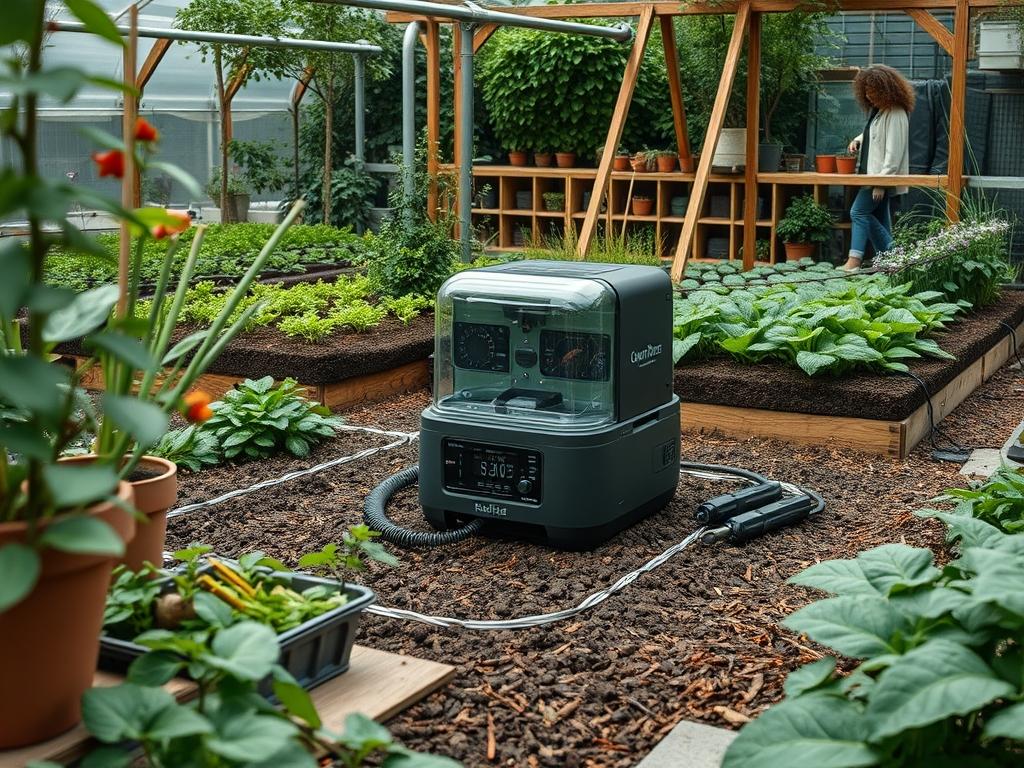
Professional landscaping is a complex intersection of environmental science, architectural principles, and horticultural expertise. When approaching a new site, the primary challenge involves harmonizing the existing topography with the desired aesthetic goals of the homeowner. Climate considerations dictate every decision, from the choice of Native Plants to the configuration of the Irrigation system. A successful landscape provides more than just curb appeal; it serves as a functional extension of the home, creating distinct areas for outdoor living while managing ecological factors like stormwater runoff and soil health. In the modern era, the integration of technology through the Automated Garden Device Pro allows for a level of precision that was previously unattainable for residential gardens. By leveraging real-time data on soil moisture and ambient temperature, designers can build resilient environments that thrive despite fluctuating weather patterns.
Landscape Design Principles
Effective landscape design relies on a structured framework to ensure the finished product feels cohesive rather than cluttered. Symmetry and visual balance are the foundations of this process. Formal gardens often utilize perfect bilateral symmetry to create a sense of order, while informal landscapes rely on asymmetrical balance, using varying textures and heights to lead the eye through the space. Focal points, such as a large Specimen Tree or a custom Water Feature, provide a destination for the viewer’s gaze and anchor the surrounding plant beds.
Elevation layers are equally critical. A professional designer views the garden in three dimensions, using Retaining Walls to create terraces on sloped lots or building mounds, known as berms, to add visual interest to flat terrain. This layering extends to the plant selection, where a hierarchy is established between the canopy, the understory, and the groundcover. Irrigation planning must be integrated during this conceptual phase. By utilizing the Automated Garden Device Pro, architects can zone the property based on hydro-zones, ensuring that high-water-demand plants are grouped together and managed separately from drought-tolerant species.
Walkways serve as the circulatory system of the landscape. They should be wide enough for two people to walk side-by-side, typically measuring at least 4 feet in width. The materials used, such as Natural Stone or Permeable Pavers, should complement the architectural style of the home while providing a safe, slip-resistant surface. Visual balance is finally achieved through the repetition of colors and textures, which creates a rhythmic flow that ties the different zones of the yard into a singular, unified experience.
Plant and Material Selection
Selecting the right biological and structural components is the most detailed phase of the planning process. The following table outlines standard selections for a temperate modern landscape.
| Plant Type | Sun Exposure | Soil Needs | Water Demand | Growth Speed | Maintenance Level |
| :— | :— | :— | :— | :— | :— |
| Boxwood Shrub | Full Sun to Part Shade | Well-drained, Loamy | Moderate | Slow | Medium |
| Lavender | Full Sun | Sandy, Alkaline | Low | Moderate | Low |
| Japanese Maple | Part Shade | Rich, Acidic | Moderate | Slow | High |
| Switchgrass | Full Sun | Adaptable/Clay | Low | Fast | Very Low |
| Hostas | Full Shade | Moist, Organic | High | Moderate | Low |
| Creeping Thyme | Full Sun | Poor to Average | Low | Fast | Low |
For hardscaping, the choice of materials like Crushed Granite, Flagstone, and Cedar Mulch influences both the aesthetics and the microclimate of the garden. Heavily dark materials may absorb heat, while lighter stones reflect it, affecting the transpiration rates of nearby foliage.
Implementation Strategy
The transition from paper design to physical reality begins with site preparation. Proper Grading is the most vital step; the ground must slope away from the home’s foundation at a minimum rate of 2 percent. This prevents structural damage and ensures that excess water moves toward designated Drainage areas or Rain Gardens. Once the rough grade is established, practitioners install subsurface utilities, including PVC Piping for irrigation and low-voltage wiring for landscape lighting.
Hardscaping comes next. This includes the construction of Permanent Edging, patios, and pathways. Using a Compactor on the sub-base of these features is essential to prevent settling over time. Once the “bones” of the garden are in place, planting can begin. Each hole should be dug twice as wide as the root ball but no deeper, ensuring the flare of the trunk remains above the soil line to prevent rot. The Automated Garden Device Pro sensors should be installed during this phase at varying depths to capture accurate data across different root zones.
The final touch in the implementation phase is the application of Mulch. A layer of 3 inches is standard for most beds. This layer suppresses weeds, retains moisture, and gradually improves soil structure as it decomposes. It is important to keep mulch away from the direct contact of tree trunks to avoid pest infestations and fungal growth.
Common Landscaping Failures
Many landscape projects fail due to a lack of foresight regarding biological growth and physics. Drainage mistakes are the most frequent culprit, where water is allowed to pool near foundations or in the middle of a lawn, leading to Soil Compaction and anaerobic conditions that kill plant roots. Similarly, root overcrowding occurs when a designer fails to research the mature spread of a species. A tree that looks perfect in a 5 gallon pot can easily grow to a 40 foot canopy, eventually damaging siding or lifting nearby Concrete Walkways.
Improper spacing is not just an aesthetic issue; it restricts airflow, which invites powdery mildew and other pathogens. Furthermore, irrigation inefficiencies often result from a “set it and forget it” mentality. Traditional timers do not account for rainfall or humidity, leading to overwatering during wet weeks. Integrating an Automated Garden Device Pro mitigates this by adjusting schedules based on the actual needs of the plants. Finally, neglecting soil health is a common pitfall. Heavy machinery used during construction often leaves the ground as hard as brick, requiring mechanical Aeration and the addition of Organic Compost before any successful planting can occur.
Seasonal Maintenance
A professional landscape requires a chronological management plan to preserve the initial investment. In the Spring, the focus is on rejuvenation. This involves removing winter debris, applying a balanced Slow-Release Fertilizer, and pruning dead wood from deciduous shrubs. It is also the time to test the Automated Garden Device Pro for sensor accuracy before the heat of summer arrives.
Summer maintenance is primarily focused on water management and weed control. During periods of extreme heat, irrigation should be shifted to early morning hours to minimize evaporation. Summer is also when pests like aphids or spider mites are most active, requiring regular inspections of the underside of leaves.
Autumn is the season for preparation and planting. The soil is still warm, but the air is cool, making it the ideal time to install new trees or perennials. Fallen leaves should be shredded and used as mulch or added to a Compost Bin to recycle nutrients back into the garden.
Winter management involves protecting sensitive species from frost and heavy snow loads. Using Burlap Wraps on young evergreens and ensuring the irrigation system is fully winterized by blowing out the lines with an Air Compressor will prevent pipe bursts. For those in colder climates, it is also the time to review the data collected by your Automated Garden Device Pro to plan for adjustments in the coming year.
Professional Landscaping FAQ
How often should I recalibrate my automated sensors?
You should inspect and recalibrate sensors every Spring before the primary growing season begins. Check for debris blocking the sensors or soil movement that may have exposed wiring or probes to ensure the Automated Garden Device Pro remains accurate.
What is the best way to prevent weeds without chemicals?
Apply a thick layer of Wood Chip Mulch or Pine Straw to block sunlight from reaching weed seeds. Additionally, use Landscape Fabric under gravel paths and practice high-density planting to leave no bare soil for weeds to take root.
How do I determine the drainage capacity of my soil?
Perform a percolation test by digging a hole 12 inches deep, filling it with water, and timing how long it takes to empty. If it takes longer than 24 hours, you likely have heavy clay and need Soil Amendments.
Is it better to plant in the spring or the fall?
Autumn is generally superior for woody ornamentals and perennials because it allows roots to establish without the stress of summer heat. However, Spring is preferred for warm-season grasses and certain delicate flowering species in northern climates.
Can I integrate old irrigation systems with modern controllers?
Yes, most existing Solenoid Valves can be wired into a new control hub like the Automated Garden Device Pro. This upgrade allows you to transform a legacy manual system into a smart, weather-responsive network without replacing every underground pipe.