
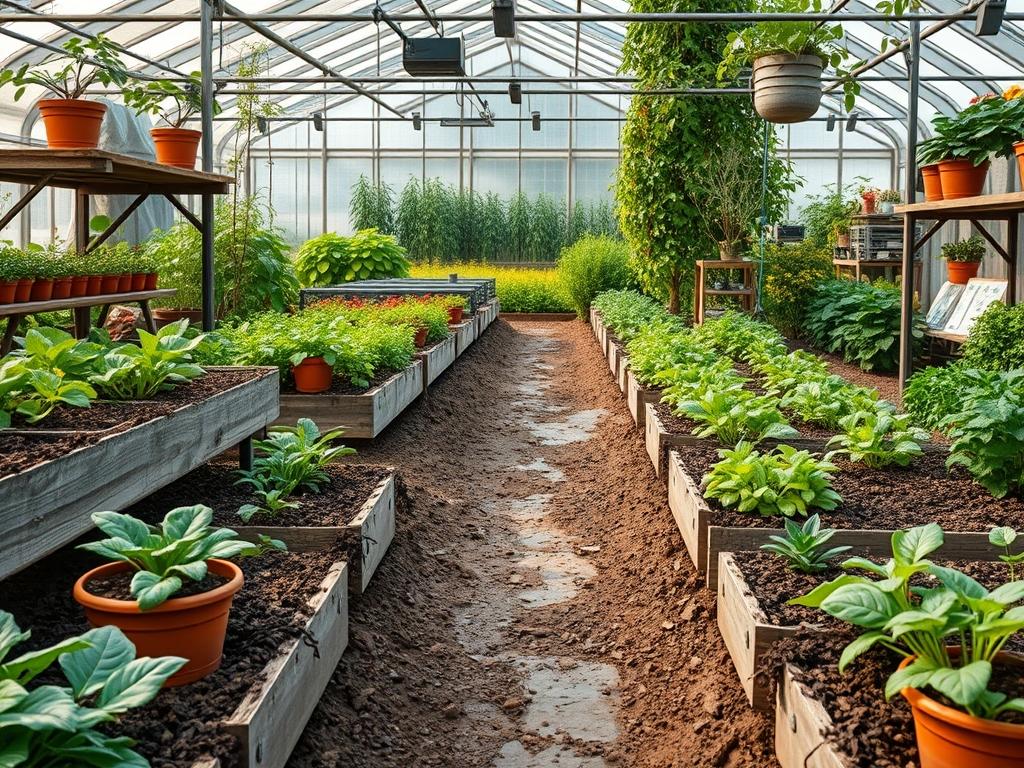
Modern landscape architecture focuses on the intersection of aesthetic beauty and resource management. We no longer design for visual appeal alone; we design for resilience. The modern estate faces unpredictable climate shifts, making efficient water use the cornerstone of any sustainable outdoor environment. When we discuss Smart Irrigation Flow Tips, we are looking at the delicate balance between maintaining high-end curb appeal and ensuring the longevity of your botanical investments. A masterpiece of a garden can be ruined by improper drainage or an inefficient watering schedule that ignores the specific hydraulic needs of individual plant zones. Your landscape acts as an extension of the home, providing functional living space that must be managed with the same precision as indoor climate control systems.
Effective design starts with an assessment of the site’s natural topography and microclimates. Every parcel of land has unique wind patterns, sun pockets, and moisture traps. By harmonizing these elements with advanced hydrologic data, we can create an outdoor environment that thrives with minimal waste. The goal is to maximize the utility of every gallon of water delivered to the root zones. This is not merely about conservation; it is about performance. A healthy, well hydrated landscape increases property value, provides natural cooling for the residence, and creates a sanctuary for the inhabitants.
Landscape Design Principles
Symmetry and focal points serve as the visual anchors of a professional garden. In high-end design, we use focal points like a majestic White Oak or a custom stone water feature to draw the eye through the space. Symmetry provides a sense of order and calm, often achieved through mirrored planting beds or balanced hardscape elements. However, visual balance must be backed by technical planning. Before the first tree is planted, we map the elevation layers. This involves layering plants from ground covers to mid-story shrubs and then to the canopy. This vertical hierarchy mimics natural ecosystems and creates a lush, immersive feeling.
The technical backbone of this aesthetic is the irrigation plan. Smart Irrigation Flow Tips suggest that your flow data should dictate your design zones. Grouping plants with similar water requirements—a practice known as hydrozoning—is essential. You cannot expect a Hydrangea to thrive on the same watering schedule as a Lavender bush. Furthermore, walkways and retaining walls must be integrated into the drainage plan. Every flagstone path or permeable paer installation influences how water moves across the surface. We utilize swales and French drains to manage runoff, ensuring that heavy rains do not wash away mulch or drown sensitive root systems.
Plant and Material Selection
| Plant Type | Sun Exposure | Soil Needs | Water Demand | Growth Speed | Maintenance Level |
| :— | :— | :— | :— | :— | :— |
| English Lavender | Full Sun | Sandy/Gravelly | Low | Moderate | Low |
| Panicle Hydrangea | Part Sun | Rich/Loamy | Moderate | Fast | Medium |
| Japanese Maple | Dappled Shade | Well-drained | Moderate | Slow | Medium |
| Switchgrass | Full Sun | Variable | Low | Fast | Low |
| Boxwood Shrub | Full/Part Sun | Loamy/Neutral | Moderate | Slow | High |
| Creeping Thyme | Full Sun | Well-drained | Low | Moderate | Low |
| River Birch | Full/Part Sun | Moist/Acidic | High | Fast | Medium |
Implementation Strategy
The transition from a blueprint to a thriving garden requires a phased execution. The first phase is always site grading. We ensure a minimum 2 percent slope away from the home’s foundation to prevent hydrostatic pressure against the basement walls. During this stage, we install the primary irrigation mainlines and sub-mainlines. If you are following Smart Irrigation Flow Tips, you should install flow sensors at this stage. These devices measure the GPM (Gallons Per Minute) and can automatically shut off the system if they detect a burst pipe or a leaking valve.
Once the skeleton of the garden is in place, we focus on soil preparation. We often incorporate organic compost to a depth of 6 inches to improve soil structure. Edging is then installed to create a clean break between turf and planting beds. We prefer steel edging or paver borders for their durability. When the plants are in the ground, a 3-inch layer of hardwood mulch is applied. This is not just for looks; it regulates soil temperature and reduces evaporation. Finally, the smart controller is programmed using local ET (Evapotranspiration) data. This allows the system to adjust watering times based on real-time weather conditions, such as humidity and solar radiation.
Common Landscaping Failures
The most frequent mistake in high-end landscaping is improper drainage. When water pools on a lawn or in a planter bed, it displaces oxygen in the soil. This leads to root rot and the eventual death of the plant. Another common failure is the lack of consideration for mature plant size. Planting a Spruce too close to a walkway will eventually buckle the stone or require aggressive pruning that destroys the natural form of the tree. We also see significant issues with soil compaction. During construction, heavy machinery can crush the soil structure, making it impenetrable for roots and water alike.
Irrigation inefficiencies often stem from poor hydraulic design. If the PSI (Pounds per Square Inch) is too high at the nozzle, the water atomizes into a mist that blows away before hitting the ground. Conversely, low pressure leads to poor distribution uniformity, leaving brown spots in the lawn. Using pressure-regulating spray heads is one of the most effective Smart Irrigation Flow Tips to combat this. Finally, many homeowners fail to update their watering schedules as plants mature. A newly planted tree needs frequent shallow watering, but a mature tree requires deep, infrequent soaking to encourage a robust root system.
Seasonal Maintenance
Maintaining a professional landscape is a year-round commitment. In the spring, the focus is on reactivation and cleanup. We prune dead wood from deciduous trees, refresh the mulch, and check every sprinkler head for blockages. This is the best time to calibrate your irrigation system and ensure no nozzles were damaged by winter frosts. Summer maintenance is about monitoring stress. During heatwaves, we might override the smart controller to provide a deep soak to high-value specimens. We also keep a close eye on pests that thrive in the heat.
Autumn is the season for preparation and planting. The cooler temperatures and increased rainfall provide the perfect environment for new root growth. We perform core aeration on turf areas to combat compaction and apply a slow-release fertilizer. This is also when we plan for the winter shutdown. In colder climates, winterizing the irrigation system is non-negotiable. We use an air compressor to blow out all water from the lines to prevent pipes from bursting when the ground freezes. During the winter months, we focus on structural pruning and monitoring for winter desiccation on evergreens.
Professional Landscaping FAQ
What is the benefit of a flow sensor?
A flow sensor monitors the rate of water movement through your pipes. It detects if a zone is using too much or too little water, signaling potential leaks or blockages. This prevents massive water bills and protects your landscape from erosion.
How often should I mulch my garden beds?
You should refresh your mulch once per year, typically in the spring. Maintaining a consistent 3-inch depth helps retain soil moisture and suppress weeds. Ensure you do not pile mulch against the trunks of trees, which can cause decay.
Why is my irrigation system misting instead of spraying?
Misting is usually caused by excessive water pressure at the head. This leads to water loss through evaporation and wind drift. Installing pressure-regulating nozzles or a primary pressure regulator at the valve will resolve this and save significant water.
Can I mix different plant types in one zone?
You should only mix plants with similar water and light requirements. This is called hydrozoning. Mixing a drought-tolerant Succulent with a water-loving Fern in the same zone will result in one of them eventually dying.
What is the best way to handle poor soil drainage?
For heavy clay or compacted areas, we recommend installing a French drain or a dry creek bed. These features redirect excess surface water toward a lower point or a rain garden, preventing standing water from damaging plant roots.