
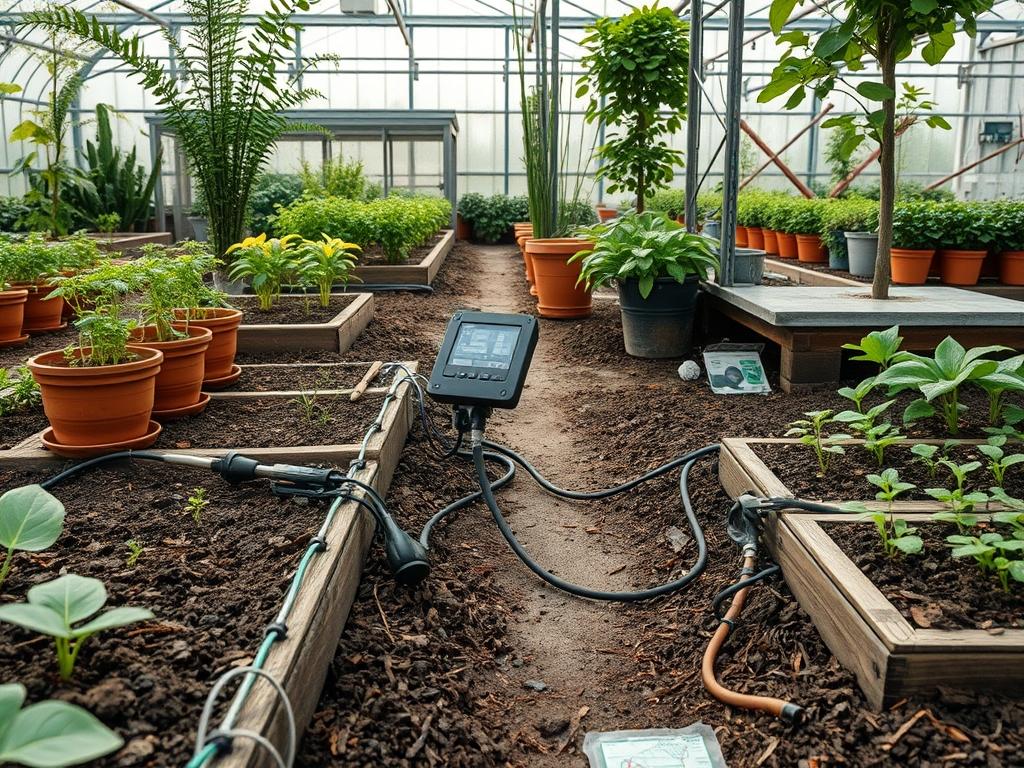
Effective landscape architecture is no longer just about the aesthetic arrangement of Boxwood hedges or the installation of a stone patio; it is an exercise in environmental engineering. Achieving a high level of curb appeal while maintaining long term sustainability requires a deep understanding of site specific variables. One of the most significant challenges facing modern property owners is the management of resources like water and electricity in a way that respects the natural rhythm of the local climate. When we integrate technology into an outdoor environment, we move beyond static design and into the realm of responsive ecosystems. The transition from manual upkeep to automated efficiency relies heavily on the quality of hardware and software used to govern the space. This is where the concept of Solar Powered Sensor Logic becomes vital to the modern landscape consultant. By using devices that interpret light levels and movement, we can ensure that lighting and irrigation systems respond dynamically to the actual needs of the garden rather than adhering to rigid, inefficient timers.
The functionality of an outdoor space depends on its ability to evolve through the seasons without becoming a burden on the homeowner or the local utility grid. A poorly planned landscape often suffers from uneven light distribution or over-saturated soil, which can lead to root rot and hardware failure. To solve this, we must look at how elevation, drainage, and exposure interact with our automation systems. Integrating Solar Powered Sensor Logic allows the landscape to breathe. It ensures that path lights only illuminate when the ambient light drops below a specific lux threshold and that accent lights activate only when motion is detected, preserving battery life and reducing light pollution. This intelligent approach to design balances the immediate visual impact of the property with the practical requirements of maintenance and energy conservation, creating a space that is as smart as it is beautiful.
Landscape Design Principles
A successful landscape design starts with the concept of symmetry and focal points. Whether you are working with a sprawling estate or a compact urban courtyard, the eye requires a logical path to follow. We use natural stone pavers and retaining walls to create distinct elevation layers, which add depth and luxury to the environment. These layers are not just for show; they serve as critical components for managing surface runoff. In any professional plan, the integration of technology must be discreet. When placing items that rely on Solar Powered Sensor Logic, we prioritize locations with maximum solar gain, typically south facing slopes or clearings that avoid the shadow of the primary residence.
Visual balance is achieved by mixing textures and heights, but this must be supported by unseen infrastructure. Irrigation planning is the backbone of this balance. By using sub surface drip lines instead of traditional spray heads, we reduce evaporation and target the root zone directly. The logic governing these systems should ideally be sensitive to soil moisture and sunlight duration. Using advanced sensors allows the system to skip a watering cycle if the ground is already saturated or if the weather logic predicts a high probability of rain. This level of precision prevents the common issue of soil compaction and ensures that your Japanese Maples or Hydrangeas receive exactly what they need to thrive.
Walkways and circulation paths provide the structural framework of the garden. We often recommend using crushed granite or pea gravel between flagstone steps to facilitate drainage. Along these paths, lighting is essential for safety and ambiance. Instead of relying on wired systems that require intrusive trenching, we utilize independent units that operate on sophisticated Solar Powered Sensor Logic. This allows each light to function as a standalone smart node, adjusting its output based on individual exposure to sunlight during the day. This creates a more resilient lighting scheme that is not susceptible to a single point of failure in a traditional low voltage circuit.
Plant and Material Selection
Selecting the right materials and flora is a balancing act between aesthetic desires and the biological realities of the site. Below is a guide for common selections in a professionally managed environment.
| Plant Type | Sun Exposure | Soil Needs | Water Demand | Growth Speed | Maintenance Level |
| :— | :— | :— | :— | :— | :— |
| English Lavender | Full Sun | Well-Drained | Low | Moderate | Low |
| Hostas | Full Shade | Organic Rich | Medium | Fast | Moderate |
| Dwarf Fountain Grass | Partial Sun | Loamy | Low | Fast | Low |
| Creeping Thyme | Full Sun | Sandy/Rocky | Low | Moderate | Minimal |
| Japanese Yew | Partial Shade | Slightly Acidic | Medium | Slow | Moderate |
| Russian Sage | Full Sun | Poor/Dry | Very Low | Fast | Low |
When choosing materials for hardscaping, we recommend limestone or travertine for their durability and thermal properties. For mulching, a 3-inch layer of cedar mulch is the standard for moisture retention and weed suppression. Using high quality materials ensures that the underlying Solar Powered Sensor Logic used in ground based sensors remains protected from the elements and from the corrosive nature of low quality organic matter.
Implementation Strategy
The implementation of a professional landscape begins with site grading. Proper grading ensures that water flows away from the foundation of the home and toward designated drainage basins or French drains. Once the grade is established, we use steel edging to define the borders between turf zones and planting beds. This provides a clean, architectural finish that prevents grass from encroaching on delicate perennials. During this stage, we also map out the placement of all solar components. Each unit must be placed based on a solar site survey to ensure it receives at least 6 hours of direct sunlight daily.
After the hardscaping and primary plantings are in place, the secondary layer of the garden is installed. This includes the application of granular fertilizer and the final layer of mulch. It is during this phase that we calibrate the Solar Powered Sensor Logic across the property. Calibration involves testing the sensitivity of motion sensors and adjusting the dusk to dawn settings to account for the shadows cast by buildings or large trees. A common mistake is to set sensors at a universal level; instead, they should be adjusted based on the specific microclimate of each garden zone. For instance, a sensor in a shaded corner will require a different trigger logic than one in a bright, open meadow.
Drainage remains a top priority during implementation. We often install catch basins at the low points of the yard to prevent standing water. If the site has a steep elevation, retaining walls are built using concrete blocks or natural timber to prevent erosion. The logic systems for irrigation can then be programmed to account for these changes in elevation, as plants at the bottom of a slope will naturally require less frequent watering than those at the top.
Common Landscaping Failures
The most frequent failure we see in residential landscapes is improper spacing. Homeowners often buy Leyland Cypress or Emerald Green Arborvitae and plant them too close together, leading to root overcrowding and competition for nutrients. Within five years, the trees begin to die off due to poor air circulation and fungal growth. Similarly, a lack of attention to soil compaction during the construction phase can lead to poor drainage, essentially drowning the root systems of expensive specimen trees.
Another critical failure point involves the placement of technology. If Solar Powered Sensor Logic is not accounted for during the planting phase, fast growing shrubs can quickly overgrow solar panels, rendering the sensors useless. Furthermore, improper irrigation logic often leads to overwatering, which not only wastes resources but also leaches vital nutrients from the soil. We also see many systems fail because they were installed without considering the impact of winter shadows, which are much longer and can leave solar panels in the dark for months.
Seasonal Maintenance
Seasonal care is what separates a professional landscape from an amateur one. In the spring, the focus is on cleanup and preparation. This includes pruning dead wood from Rose Bushes, reapplying a fresh layer of bark mulch, and checking all irrigation lines for leaks or clogs. It is also the time to wipe down the photovoltaic panels on your sensors to ensure they are capturing the maximum amount of light after the winter grime has settled. Correcting the seasonal timing on your Solar Powered Sensor Logic ensures that your garden transitions smoothly as the days get longer.
Summer maintenance is largely about water management. During heat waves, it may be necessary to manually override irrigation logic to provide extra hydration to sun sensitive plants like Hydrangeas. Autumn is the time for leaf removal and soil aeration. Leaving heavy blankets of leaves on the lawn can suffocate the grass and create a habitat for pests. Finally, in winter, we recommend protecting sensitive plants with burlap wraps and ensuring that all solar sensors are cleared of snow. Since the sun is lower in the sky, you may need to adjust the angle of certain panels to maintain their efficiency.
Professional Landscaping FAQ
How does Solar Powered Sensor Logic improve garden efficiency?
It eliminates the need for manual timers by using real time environmental data. The system only activates when necessary, saving energy and ensuring that plants receive water based on actual soil moisture and light exposure levels.
What is the best way to prevent soil erosion on a slope?
Installing a retaining wall is the most effective structural solution. Additionally, planting deep rooted groundcovers like Creeping Juniper and applying a thick layer of shredded hardwood mulch will help stabilize the soil surface against heavy rainfall.
Can solar sensors work in shaded areas?
Yes, but they require higher sensitivity and efficient photovoltaic cells. Architects often use remote solar panels located in sunny spots, connected by discreet wiring to the sensors placed in the shade, to ensure consistent logic performance.
What is the ideal thickness for mulch in planting beds?
A depth of 3 inches is generally recommended. This is sufficient to suppress weed growth and retain moisture without suffocating the root systems or preventing oxygen from reaching the soil, which can happen if mulch is too deep.
Why is drainage more important than irrigation in many designs?
Poor drainage causes immediate plant death and structural damage to the home. While irrigation supports growth, a lack of drainage leads to stagnant water, root rot, and mosquito breeding, making the entire outdoor environment unusable and unhealthy.