
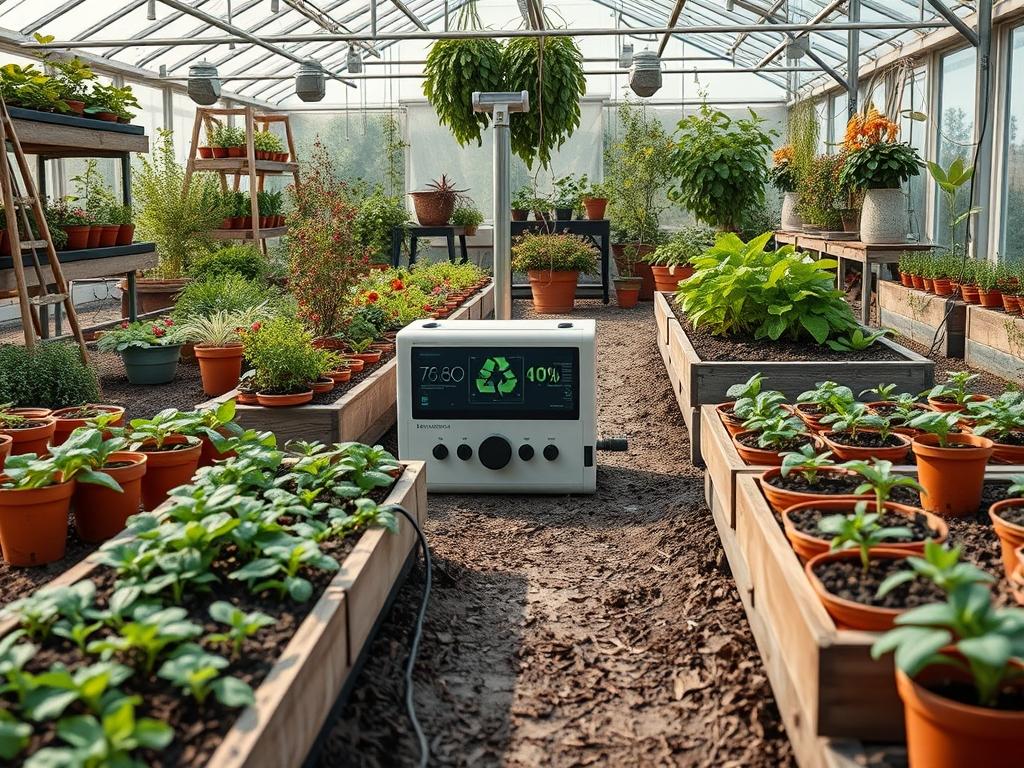
The integration of high-end technology into modern landscape architecture represents a significant shift from traditional aesthetics toward functional, living ecosystems. Developers and homeowners today demand more than just visual appeal; they require a seamless blend of natural beauty and robust infrastructure. When we discuss Automated Garden Power Tech, we are referring to the sophisticated network of sensors, controllers, and power delivery systems that maintain the vitality of an estate without constant manual intervention. Achieving this requires a deep understanding of how local climate variables, such as humidity fluctuations and soil temperature ranges, interact with sensitive electrical components. Properly planned landscapes serve as both the canvas and the protective shell for these systems, ensuring that curb appeal remains high while the internal mechanics of the garden operate with surgical precision.
Landscape Design Principles
Successful landscape design rests on the mastery of visual balance and structural hierarchy. Symmetry is often the preferred tool for high-end estates, as it creates a sense of order and emphasizes the architectural lines of the residence. However, professional designers also utilize focal points to lead the eye through the space. A focal point might be a specimen tree, a sculptural element, or a water feature, each acting as a central node for both aesthetic enjoyment and technological integration. For instance, a large Japanese Maple can serve as the anchor for a zone where Soil Moisture Sensors and LED Directional Uplights are concentrated.
Elevation layers constitute another critical principle. By using Retaining Walls and terraced garden beds, architects can create vertical interest while masking the necessary conduits for Automated Garden Power Tech. These layers allow for the strategic placement of In-ground Subwoofers and Wi-Fi Extenders that remain invisible to the naked eye. Irrigation planning must be entwined with the initial design phase to ensure that water lines and electrical cables do not cross in ways that complicate future maintenance. Standard practice involves placing Schedule 40 PVC Conduit at a depth of at least 18 inches to protect power lines from accidental aeration or planting activities.
Visual balance is achieved not just through plant placement but through the thoughtful use of hardscaping. Walkways should be constructed from porous materials like Permeable Pavers or Decomposed Granite to manage runoff while providing stable access to Power Pedestals and Smart Valve Boxes. By treating the technological requirements of the garden as part of the design language rather than an afterthought, the architect ensures that the functionality of the site enhances, rather than detracts from, the overall environmental experience.
Plant and Material Selection
The following table outlines high-performance plant species and materials that complement automated systems by offering predictable growth patterns and specific environmental requirements.
| Plant Type | Sun Exposure | Soil Needs | Water Demand | Growth Speed | Maintenance Level |
| :— | :— | :— | :— | :— | :— |
| Boxwood (Buxus) | Full Sun to Shade | Well-Drained Loam | Moderate | Slow | Medium |
| Lavender | Full Sun | Sandy/Alkaline | Low | Medium | Low |
| Hostas | Full Shade | Rich Organic | High | Medium | Medium |
| Red Maple | Full Sun | Acidic/Moist | Moderate | Fast | Medium |
| Dwarf Fescue | Full Sun to Part Shade | Neutral | Moderate | Fast | High |
| Feather Reed Grass | Full Sun | Clay or Loam | Low | Medium | Low |
For hardscaping materials, selection should focus on durability and signal transparency. Natural Stone is ideal for retaining walls, while Powder-Coated Aluminum is preferred for outdoor enclosures housing Smart Hubs. Using Geotextile Fabric beneath 3 inches of Organic Cedar Mulch prevents weed growth around sensors, ensuring that data readings remain accurate and unobstructed by invasive root systems.
Implementation Strategy
The transition from a design concept to a functioning landscape requires a rigorous implementation strategy. The process begins with professional Grading. Proper slope management is essential to ensure that water moves away from the foundation of the home and toward designated Bioswales or French Drains. A slope of 2 percent is generally recommended for turf areas to prevent standing water, which can damage the sensors used in Automated Garden Power Tech.
Once the grade is established, trenching for utilities commences. It is vital to separate high-voltage lines from low-voltage data cables by a minimum of 12 inches to prevent electromagnetic interference. Using a Power Trencher, installers should create paths for both irrigation and electrical runs simultaneously to minimize soil disturbance. Following the installation of conduits, Steel Edging is utilized to define the borders between turf, garden beds, and hardscaped paths. This edging serves a dual purpose: it creates a clean visual line and prevents aggressive grass species from encroaching on sensitive Pop-up Sprinkler Heads.
Soil preparation involves mixing Compost and Expanded Shale into the existing substrate to a depth of 8 inches. This improves aeration and drainage, which is crucial for the longevity of both the plants and the underground hardware. After the plants are installed according to the blueprint, a layer of Hardwood Mulch is applied. This mulch suppresses weeds and retains moisture, but it must be kept 2 inches away from the base of woody plants to prevent trunk rot. Finally, the Automated Garden Power Tech is calibrated; this includes setting the Astronomical Timers for lighting and synchronizing the Weather-Based Irrigation Controller with local meteorological data.
Common Landscaping Failures
One of the most frequent failures in garden planning is poor drainage. When water accumulates in low spots, it leads to soil compaction and root asphyxiation. Furthermore, standing water can infiltrate Electrical Junction Boxes if they are not properly sealed or elevated, leading to system shortcuts. Designers must account for the “sump effect” where water naturally gathers, ensuring that these areas are either drained or planted with moisture-loving species like River Birch.
Root overcrowding is another preventable issue. Homeowners often desire an “instant” mature look and plant trees too close together. As these plants grow, their root systems compete for nutrients and can eventually crush PVC Pipes or lift Paver Stones. Proper spacing, based on the mature spread of the species, is mandatory. For instance, a Large Canopy Tree should be placed at least 15 feet from any hardscape or underground utility line.
Irrigation inefficiencies often stem from a lack of “hydrozoning.” This occurs when plants with different water needs are placed on the same irrigation valve. If a drought-tolerant Succulent is paired with a thirsty Hydrangea, one will inevitably suffer. Automated Garden Power Tech allows for precise zoning, but only if the physical planting plan mirrors the programming of the Smart Controller. Finally, neglecting soil health leads to compaction. When soil becomes as hard as concrete, no amount of automated watering can penetrate the surface, rendering the tech useless and the plants stressed.
Seasonal Maintenance
To keep a high-end landscape and its associated power technology functioning at peak performance, a seasonal schedule is required. In the Spring, the primary focus is on system activation. Check all Irrigation Valves for leaks and clear debris from Downspout Extensions. The Mulch should be refreshed to a depth of 3 inches, and the Automated Mower should be serviced with sharp blades and a fresh battery.
Summer maintenance involves monitoring the Smart Irrigation output. During periods of extreme heat, the system may need manual overrides to prevent plant wilting. It is also the time to prune Spent Blooms from perennial plants to encourage a second flush of growth. Inspect the Low-Voltage Lighting fixtures to ensure that fast-growing summer foliage is not obscuring the light beams.
Autumn is the season for protection and preparation. Fallen leaves must be removed from the turf to prevent the “smothering” of the grass and to keep Drainage Grates clear. This is also the ideal window to plant new trees and shrubs, as the cooler temperatures allow for root establishment without the stress of summer heat. Before the first frost, it is essential to blow out irrigation lines using an Air Compressor to prevent pipe bursts.
Winter maintenance is focused on the hardware. High-end Automated Garden Power Tech controllers should be checked for firmware updates. If the region experiences heavy snow, ensure that Transformer Boxes and Power Hubs are marked with stakes so they are not damaged during snow removal. If using Heating Cables for delicate tropical plants, verify that the Thermostats are triggering correctly at the 35-degree Fahrenheit threshold.
Professional Landscaping FAQ
What is the benefit of incorporating smart sensors into my garden?
Smart sensors provide real-time data on soil moisture and nutrient levels. This allows your Automated Garden Power Tech to deliver precise amounts of water and fertilizer, reducing waste and ensuring optimal plant health throughout the changing seasons.
How deep should I bury my electrical lines for outdoor lighting?
For standard Low-Voltage Lighting, lines are typically buried at 6 inches. However, any 120-volt lines must be housed in Rigid Conduit and buried at least 18 inches deep to meet safety codes and prevent accidental damage.
Can I run my irrigation and power lines in the same trench?
While possible, it is not recommended without proper separation. You should maintain at least 12 inches of horizontal or vertical clearance. Always place the water lines below the power lines to prevent leaks from affecting the electrical integrity.
How do I hide unsightly control boxes and transformers?
Professional architects utilize Artificial Boulders, dense evergreen shrubs like Boxwood, or custom-built Ipe Wood Screens. These methods ensure the hardware is accessible for maintenance while remaining completely hidden from the primary sightlines of the estate.
What is the best way to prevent weeds in a tech-integrated garden?
A combination of Geotextile Fabric, 3 inches of mulch, and Pre-emergent Herbicides provides the best defense. Maintaining a healthy layer of mulch also protects sensors from direct sunlight and extreme temperature fluctuations, extending their operational lifespan.