
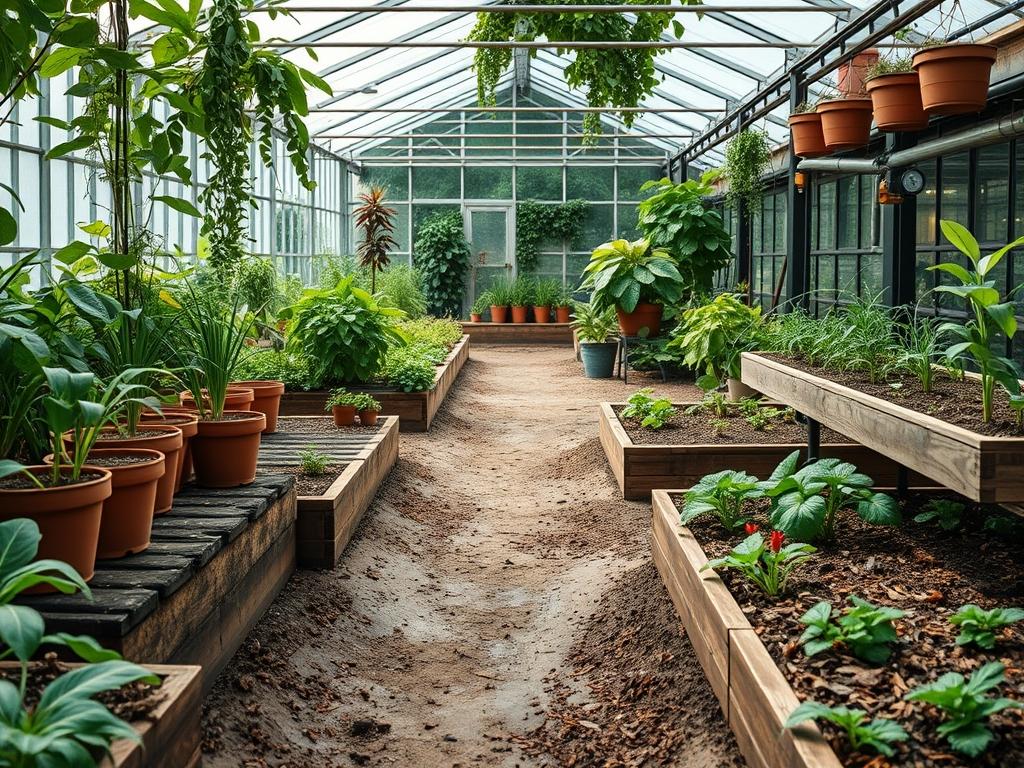
Achieving a resilient and aesthetically pleasing outdoor environment requires more than just high quality flora and a vision. In the modern era of landscape architecture, the integration of Smart Irrigation Zone Tech has transitioned from an optional luxury to a foundational necessity. As climate patterns become increasingly unpredictable, the ability to manage water resources with precision determines whether a landscape thrives or merely survives. Professional garden planning now focuses on the intersection of curb appeal and sustainable functionality; a balance where visual grandeur meets technological efficiency. The primary challenge for any consultant is creating a system that responds to the specific microclimates within a single property. Without a structured layout, water is often wasted on hardscapes or under-applied to thirsty specimens, leading to significant financial loss and environmental strain.
Effective landscaping begins with a deep understanding of site topography and the physiological requirements of the selected vegetation. By utilizing Smart Irrigation Zone Tech, designers can map out distinct zones based on solar exposure, soil texture, and elevation. This granular approach ensures that a rain sensor or soil moisture probe provides data that is relevant to its specific area. A well designed landscape does more than just look beautiful from the street; it functions as a living ecosystem. It serves to mitigate heat through strategic shading, manage runoff through permeable materials, and provide a sanctuary for the homeowner. Every decision, from the placement of a retaining wall to the selection of a groundcover, must be filtered through the lens of long term maintenance and water conservation.
Landscape Design Principles
Successful landscape design rests on the pillar of visual balance, which is often achieved through symmetry or thoughtful asymmetry. In a formal layout, mirrored plantings create a sense of order and prestige, frequently framing the entrance of a home to maximize curb appeal. However, in more contemporary or naturalistic designs, designers use focal points like a large specimen tree or a custom stone water feature to draw the eye and create interest. These focal points must be supported by elevation layers. By using retaining walls and tiered garden beds, you can create a sense of depth and verticality that makes a small space feel much larger.
The technical backbone of these visual elements is the irrigation layout. Smart Irrigation Zone Tech allows for hydrozoning, which is the practice of grouping plants with similar water needs into the same control valve area. For example, succulent beds should never be on the same zone as a lush fescue lawn. When planning walkways, consider how they bisect these zones. A stone path or paver walkway does more than provide passage; it acts as a physical barrier that can help define the boundaries between different moisture zones. Proper drainage is also a design principle that cannot be ignored. The site must be graded so that water moves away from the home foundation and toward areas where it can be absorbed or collected by French drains and bioswales. Visual balance is only sustainable if the underlying infrastructure supports the life of the plants through every season.
Plant and Material Selection
| Plant Type | Sun Exposure | Soil Needs | Water Demand | Growth Speed | Maintenance Level |
| :— | :— | :— | :— | :— | :— |
| Lavender | Full Sun | Well Drained | Low | Moderate | Low |
| Boxwood | Partial Shade | Loamy/Rich | Moderate | Slow | High (Pruning) |
| Dwarf Fescue | Full Sun | Sandy/Clay | High | Fast | Moderate |
| Red Maple | Full Sun/Part | Moist/Acidic | Moderate | Fast | Low |
| Coneflower | Full Sun | Average | Low | Moderate | Low |
| Hostas | Full Shade | Compost Rich | High | Moderate | Low |
Implementation Strategy
The process of bringing a landscape design to life begins with a thorough site preparation. First, the area must be cleared of debris and existing invasive species. Grading is the most critical step in the early phase; you must ensure a two percent slope away from all permanent structures to prevent water damage. Once the basic contours of the land are established, the installation of Smart Irrigation Zone Tech begins. This involves trenching for PVC pipes and placing lateral lines that correspond to the predetermined hydrozones. Each zone should be equipped with specific emitters, such as rotary nozzles for large turf areas or drip tubing for delicate flower beds.
After the irrigation skeleton is in place, hardscaping elements like retaining walls, patios, and edging are installed. Using steel edging or concrete curbing provides a clean line between the lawn and the mulch beds, preventing the migration of grass into the flowers. When the time comes for planting, ensure that each hole is dug twice as wide as the root ball but no deeper. Amending the soil with organic matter during this phase improves water retention and nutrient availability. Finally, apply a three inch layer of shredded hardwood mulch or pine bark to the beds. This layer is vital for suppressing weeds, regulated soil temperature, and retaining the moisture delivered by your smart system. The final step is to program the smart controller by inputting soil type, plant type, and slope data for each zone, allowing the system to pull local weather data for automated adjustments.
Common Landscaping Failures
One of the most frequent errors in professional landscaping is the failure to account for the mature size of plants, leading to severe root overcrowding. Homeowners often want an immediate “full” look, but planting arborvitae or shrubs too close together results in poor air circulation and fungal diseases. Another common mistake is neglecting soil compaction. During construction, heavy machinery compresses the earth, destroying the pore spaces required for oxygen and water to reach roots. If the soil is not properly aerated before planting, even the most advanced Smart Irrigation Zone Tech will fail because the water cannot penetrate the hard surface.
Irrigation inefficiencies often stem from poor head layout and lack of pressure regulation. If the water pressure is too high, it creates a fine mist that drifts away in the wind rather than soaking the ground. Conversely, low pressure leads to dry spots and uneven coverage. Many installers also ignore the impact of wind patterns and solar radiation on specific zones. A zone on the south side of a building will require significantly more water than one on the north side, yet they are often programmed identically. Furthermore, a lack of drainage planning can lead to “wet feet,” where plants literally drown in standing water because there is no exit path for excess moisture during heavy storms.
Seasonal Maintenance
Landscape management is a year round commitment that changes with the light and temperature. In the spring, the focus is on reactivation and preparation. This includes clearing dead winter foliage, applying a slow release fertilizer, and performing a “wet test” of the Smart Irrigation Zone Tech. Inspect each sprinkler head for clogs or damage from winter frost and ensure the backflow preventer is functioning correctly. As the heat of summer arrives, the priority shifts to stress management. You may need to adjust the smart controller to increase watering frequency during heatwaves while monitoring for signs of pest infestations or heat wilt.
When autumn approaches, it is time for rejuvenation. This is the optimal season for core aeration and overseeding of turf grasses. Mulch layers should be replenished to protect roots from the upcoming cold. You should also begin tapering off the irrigation schedule as plant metabolism slows down. Winter maintenance is largely about protection; in colder climates, it is mandatory to blow out the irrigation lines with compressed air to prevent freezing and pipe bursts. For the plants, applying burlap wraps to sensitive evergreens can prevent winter burn from cold winds. Throughout the year, consistent pruning and weeding ensure that the structural integrity and aesthetic clarity of the design are maintained.
Professional Landscaping FAQ
How does Smart Irrigation Zone Tech save money?
These systems analyze real time weather data and soil moisture levels to prevent overwatering. By only delivering the precise amount of water needed, homeowners can see a reduction in water utility costs by thirty to fifty percent annually.
What is the best mulch for weed suppression?
A three inch layer of double shredded hardwood mulch is highly effective. It mats together to create a physical barrier against sunlight, preventing weed seeds from germinating while simultaneously retaining essential moisture for your primary landscape plants.
How often should I check my irrigation zones?
A visual inspection should be performed monthly. Look for broken heads, blocked emitters, or areas of pooling water. A professional audit of the Smart Irrigation Zone Tech is recommended every spring to ensure the sensors and valves are calibrated.
Can I mix different plant types in one zone?
It is only advisable if the plants share identical water and sun requirements. Grouping a high water plant with a drought tolerant one in the same zone leads to either root rot for one or dehydration for the other.
Why is drainage more important than irrigation?
While irrigation provides life, poor drainage causes structural damage and plant death. Without a path for excess water to exit the property, soil becomes anaerobic, roots rot, and the foundation of your home can shift or crack over time.