
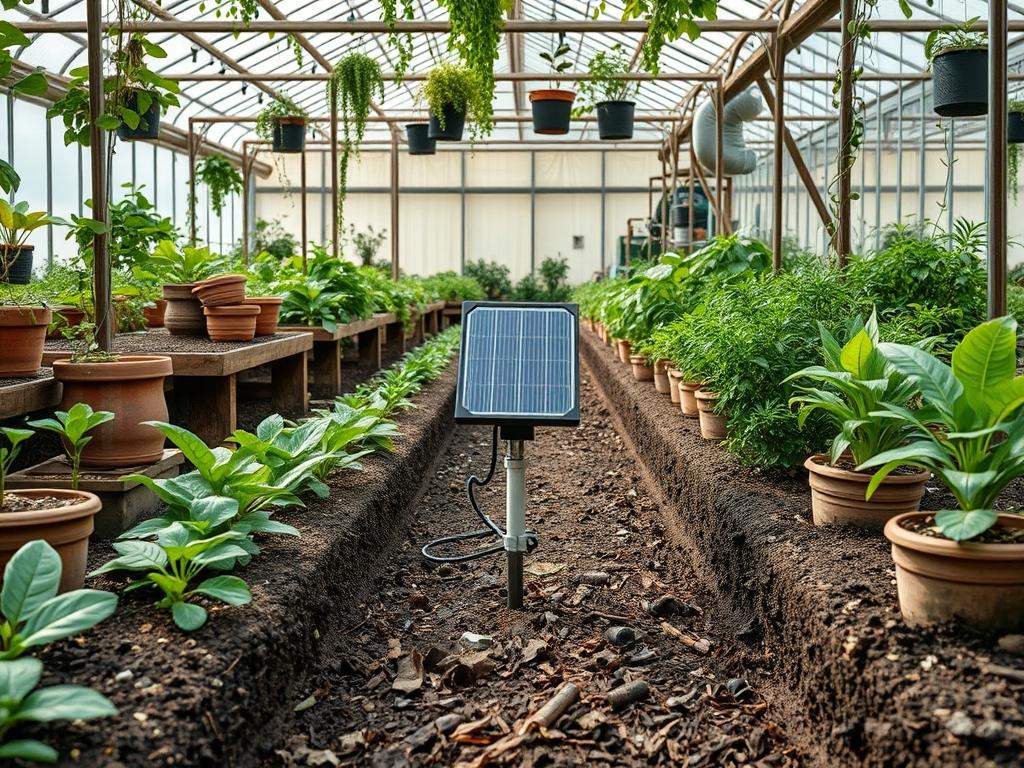
Designing a sophisticated outdoor environment requires more than a simple appreciation for flora; it demands a comprehensive understanding of spatial orquestration, civil engineering, and biological synergy. Modern landscaping has evolved into a discipline where aesthetics must work in tandem with technological efficiency. Homeowners often struggle with the balance between immediate curb appeal and long term sustainability. This challenge is further complicated by microclimates, varying soil compositions, and the necessity of managing utility costs. When planning a site, an architect must account for how light interacts with shadows, how water moves across a slope, and how the property functions after sunset. Incorporating a Solar Powered Sensor Guide into this process ensures that the landscape remains both safe and energy independent while highlighting the architectural features of the home. By prioritizing functional zones and permanent infrastructure, you can create a resilient sanctuary that enhances property value and minimizes mechanical intervention.
Landscape Design Principles
Professional landscape architecture rests upon the foundational concepts of balance and movement. Symmetry often creates a sense of formality and order, particularly in front yard presentations where the entryway serves as the primary axis. However, asymmetrical balance can be equally powerful, using groupings of different plant masses to create visual equilibrium without mirrored repetition. To achieve this, we utilize focal points like ornamental trees, large boulders, or water features to draw the eye and establish a hierarchy within the garden. Without a clear focal point, a yard often feels cluttered or directionless.
Elevation layers are another critical factor in preventing a flat, uninspired yard. By utilizing retaining walls, terraced garden beds, and varying heights of vegetation, you introduce a three dimensional quality to the sightlines. This layering typically follows a simple rule: groundcovers in the front, mid-sized perennials or shrubs in the center, and tall evergreens or deciduous trees at the perimeter. This structure provides a sense of enclosure and privacy. Parallel to these aesthetic choices is the necessity of irrigation planning. Efficient systems use zones to group plants with similar water needs, reducing waste and preventing fungal diseases.
Walkways serve as the circulatory system of the outdoor environment. They should be wide enough for two people to walk abreast, typically 48 inches to 60 inches, and composed of durable hardscaping materials such as flagstone, pavers, or poured concrete. As you layout these paths, consider the integration of a Solar Powered Sensor Guide to manage path lighting and security. Modern sensors can detect motion at a distance of 25 feet, ensuring that light is only provided when necessary, thus preserving the dark sky and promoting a quiet nocturnal environment.
Plant and Material Selection
Selecting the right biological components is a matter of matching the biology of a species to the specific constraints of the site. Sunlight availability is the most significant factor in plant survival. A common mistake is placing shade loving plants in high exposure areas, leading to leaf scorch and eventual death. The following table provides a breakdown of common selections for various landscape needs.
| Plant Type | Sun Exposure | Soil Needs | Water Demand | Growth Speed | Maintenance Level |
| :— | :— | :— | :— | :— | :— |
| Lavender | Full Sun | Sandy/Well-Drained | Low | Moderate | Low |
| Boxwood | Partial Sun | Loamy/Neutral | Medium | Slow | Moderate |
| Fountain Grass | Full Sun | Any/Well-Drained | Low | Fast | Low |
| Japanese Maple | Dappled Shade | Rich/Acidic | Medium | Slow | Moderate |
| Hostas | Full Shade | Moist/Organic | High | Moderate | Low |
| River Birch | Full Sun | Wet/Acidic | High | Fast | Moderate |
Beyond plants, the selection of hardscaping materials determines the longevity of the design. Crushed granite, river rock, and hardwood mulch serve as essential ground covers that regulate soil temperature and moisture. Organic mulch should be applied at a depth of 3 inches to effectively suppress weeds while allowing gas exchange between the soil and the atmosphere.
Implementation Strategy
Executing a landscape plan requires a logical sequence of operations to avoid damaging newly installed features. The process begins with grading, which involves shaping the land to ensure water moves away from the foundation of the home. A minimum slope of 2% is generally recommended for adequate drainage. Professionals use a transit level or a laser level to verify these slopes before any heavy equipment leaves the site.
Once the grade is established, the installation of permanent hardscaping occurs. This includes the construction of retaining walls, patios, and walkways. During this phase, any underground conduits for drainage or low voltage wiring should be buried at least 12 inches deep. If you are following a Solar Powered Sensor Guide, this is the time to identify optimal locations for sensor nodes where they will receive at least 6 hours of direct sunlight daily to charge their internal batteries.
After the infrastructure is set, the planting phase begins. Dig holes that are twice as wide as the root ball but no deeper than the original container depth. This encourages outward root growth into the surrounding native soil. Finish the installation by installing edging along flower beds to create a clean break between the turf and the planting areas. Use steel edging or poured concrete curbs for maximum durability. Finally, apply the mulch layer and initiate a deep watering cycle to settle the soil around the new root systems.
Common Landscaping Failures
The most frequent error in residential landscaping is improper drainage. When water pools near the house or in low spots of the lawn, it leads to soil compaction and root rot. Many homeowners attempt to fix this with surface solutions, but the remedy often requires a French drain or a catch basin connected to a subterranean pipe. Without addressing the underlying topography, even the most expensive plants will eventually fail.
Another common pitfall is improper spacing. In the excitement of a new garden, it is easy to plant shrubs too close together. However, a Boxwood that is 18 inches wide at the nursery may grow to 4 feet wide within five years. Overcrowding blocks airflow and creates a breeding ground for pests and mildew. Always research the mature spread of a species before digging.
Soil compaction is a hidden killer in many suburban yards. Heavy foot traffic or construction equipment compresses the soil particles, squeezing out the oxygen that roots need to respire. Utilizing core aeration and incorporating organic matter or compost can help restore soil structure over time. Lastly, irrigation inefficiency, such as watering during the heat of the day or using sprinklers that spray onto the pavement, wastes resources and can actually harm the plants by causing thermal shock.
Seasonal Maintenance
A landscape is a living entity that requires year round attention to remain healthy and vibrant.
Spring is the season of renewal and preparation. This is when you should perform structural pruning on deciduous trees and shrubs before the buds break. Test your soil pH and apply balanced fertilizer if necessary. It is also the ideal time to refresh your mulch layers and check the functionality of your Solar Powered Sensor Guide components, cleaning any dust or pollen off the solar panels to ensure maximum charging efficiency.
Summer focus shifts to hydration and pest management. During period of extreme heat, deep watering in the early morning is more effective than shallow evening watering. Monitor for signs of drought stress, such as leaf curling or dull color in the turf. Keep the lawn at a height of 3.5 inches to shade the soil and protect the grass crowns.
Autumn is designated for cleanup and planting. This is the best time to plant new trees and perennials, as the cooler air and warm soil encourage root development without the stress of summer heat. Rake leaves to prevent them from matting down the grass and causing mold. Apply a pre-emergent herbicide to prevent winter weeds from germinating.
Winter is the time for dormant maintenance. Protect sensitive plants from frost using burlap wraps or frost blankets. Inspect your hardscaping for any cracks caused by freeze-thaw cycles. Since the days are shorter, rely on your Solar Powered Sensor Guide to ensure that walkways remain illuminated and safe during the long nights.
Professional Landscaping FAQ
How do I improve drainage in my backyard?
Start by grading the soil to a 2% slope away from structures. If the soil is heavy clay, install a French drain or a dry creek bed to redirect excess water toward a municipal drain or rain garden.
Which mulch is best for my garden beds?
Triple-shredded hardwood mulch is excellent for moisture retention and weed suppression. For permanent areas where planting is infrequent, river rock or pea gravel provides a clean, low maintenance aesthetic that does not decompose over time.
How many hours of light do solar sensors need?
Generally, most devices described in a Solar Powered Sensor Guide require at least 6 to 8 hours of direct sunlight to function through the night. Place them away from the shadow of large trees or roof overhangs.
When is the best time to prune my shrubs?
Most flowering shrubs should be pruned immediately after their blooms fade. For non flowering evergreens, late winter or early spring is ideal. Avoid pruning in late autumn, as new growth may not harden before the first frost.
How do I prevent weeds naturally?
The most effective method is maintaining a thick layer of organic mulch and using landscape fabric in permanent beds. Additionally, keeping your lawn tall and dense will naturally choke out many common weed species by blocking sunlight to their seeds.