
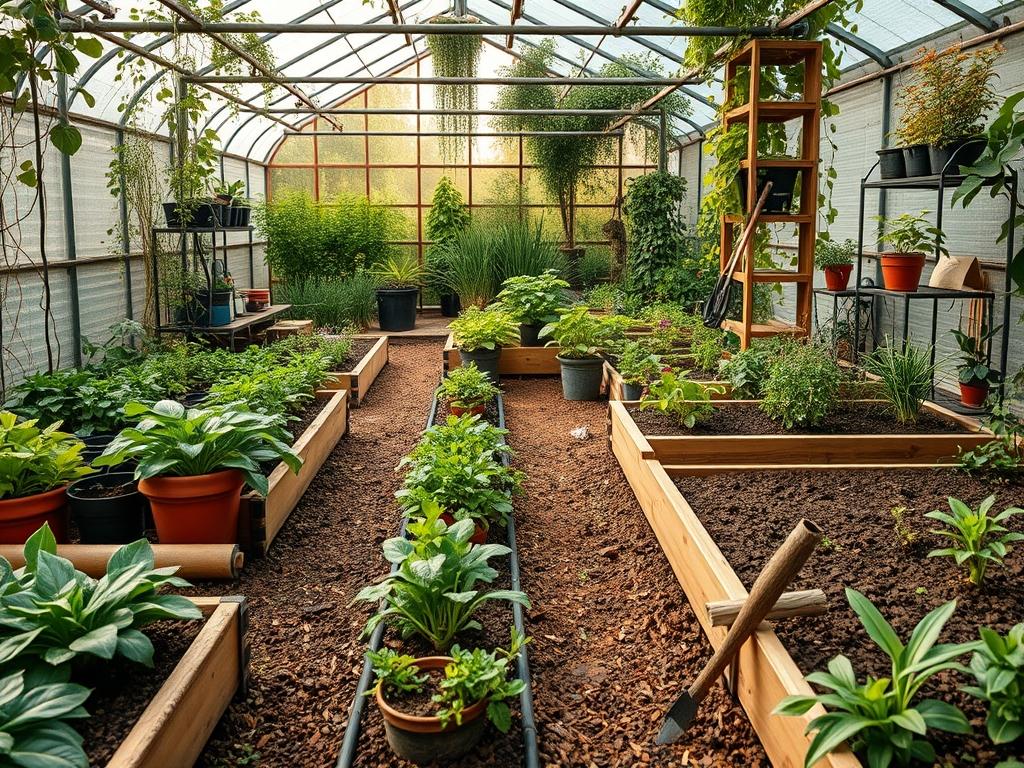
The modern landscape is a complex intersection of civil engineering, biological science, and aesthetic philosophy. To master Smart Garden Design Logic, a homeowner or developer must view the outdoor space as a living machine where every component serves a dual purpose of utility and beauty. Designing a garden is no longer about simply digging holes and inserting nursery stock. It requires a holistic understanding of local microclimates, topographical drainage patterns, and the long term physiological needs of plant life. A well executed landscape plan transforms a property from a mere building site into a high functioning environment that increases market value, provides cooling through evapotranspiration, and creates a seamless transition between the interior and exterior world.
Success begins with a rigorous site analysis. Before any Shovel touches the ground, one must observe the movement of sunlight across the yard during different seasons. Shadows cast by the primary structure or neighboring trees dictate which zones are viable for specific botanical species. Furthermore, Smart Garden Design Logic demands an assessment of soil composition. Whether the substrate is heavy clay or porous sand determines the necessary amendments and the type of Irrigation Systems required to sustain growth. By prioritizing these environmental data points over impulsive aesthetic choices, the designer ensures that the landscape thrives with minimal chemical intervention, ultimately saving time and resources over the decades of the garden’s life.
Landscape Design Principles
Architectural cohesion in a garden relies on the application of specific spatial principles that guide the eye and dictate movement. Symmetry is frequently used in formal entries to create a sense of order and prestige. By mirroring Columnar English Oaks or tall Italian Cypress trees on either side of a walkway, the designer establishes a clear sightline toward the front door. However, in backyard retreats, asymmetrical balance often feels more organic. This involves balancing a large mass, such as a multi stemmed River Birch, with a collection of smaller elements like Boulders and Ornamental Grasses on the opposite side.
Elevation layers are equally vital for visual depth. A professional layout utilizes the “staircase effect,” where low growing groundcovers sit at the edge of a path, followed by a mid tier of perennials and shrubs, and finally a background of canopy trees. This layering maximizes the green footprint of the space and provides various habitats for local pollinators. Beyond aesthetics, the placement of Retaining Walls and Terraced Beds manages elevation changes on sloped properties. These structures prevent soil erosion and allow for the creation of flat, usable living areas. Every hardscape element, from a Paver Patio to a Flagstone Path, must be integrated with the softscape through transitional planting to avoid a harsh or disjointed appearance.
Visual balance must also account for focal points. Every “room” in the garden needs a primary destination for the eye, whether it is a sculptural Japanese Maple, a stone water feature, or a bespoke Steel Fire Pit. These anchors provide the design with a sense of purpose. Without them, a garden can feel like an unorganized collection of plants rather than a curated environment. Effective focal points are often highlighted with low voltage LED Up-lighting to ensure the design remains impactful during evening hours, extending the usability of the outdoor space into the night.
Plant and Material Selection
Selecting the right biological components is the most critical phase of Smart Garden Design Logic. The following table outlines several high performance species suited for diverse landscape applications.
| Plant Type | Sun Exposure | Soil Needs | Water Demand | Growth Speed | Maintenance Level |
| :— | :— | :— | :— | :— | :— |
| Green Giant Arborvitae | Full Sun | Well-Drained | Moderate | Fast | Low |
| Purple Coneflower | Full Sun | Lean to Average | Low | Moderate | Low |
| Japanese Maple | Filtered Sun | Rich, Acidic | Moderate | Slow | Medium |
| Dwarf Boxwood | Full to Part Sun | Loamy | Moderate | Slow | High |
| Blue Star Creeper | Part Sun | Moist, Rich | Moderate | Fast | Low |
| Panicle Hydrangea | Part Sun | Well-Drained | High | Fast | Medium |
Material selection extends beyond biology to include the inorganic foundations of the garden. For mulch, Double Shredded Hardwood Bark is the industry standard for moisture retention and weed suppression, whereas Pea Gravel or River Rock might be used in modern, arid designs to facilitate drainage. When choosing stone for Walkways, selecting a local Limestone or Sandstone ensures the color palette harmonizes with the natural geology of the region.
Implementation Strategy
The transition from a blueprint to a finished landscape requires a disciplined sequence of operations. The first step is always grading. The land must be sloped away from all structures at a minimum of 2 percent grade to prevent basement flooding and foundation rot. If the natural topography traps water, a French Drain consisting of perforated pipe and 3/4 inch Clean Stone must be installed to redirect runoff to a suitable exit point or rain garden. Once the rough grade is established, hardscape construction begins. This includes the installation of Concrete Footings for walls and the laying of Crushed Limestone Bases for patios.
Following the heavy construction, the focus shifts to soil preparation. Modern Smart Garden Design Logic avoids the use of synthetic fertilizers in favor of Organic Compost and Biochar to build a resilient soil microbiome. Each planting hole should be dug twice as wide as the root ball but no deeper. This prevents the plant from settling too low, which can lead to crown rot. For large trees, use Stakes and Arborite Ties only if the site is exceptionally windy; otherwise, allowing the trunk to flex naturally builds structural strength.
The final phase of implementation is the application of professional Steel Edging or Plastic Paver Restraints. This creates a crisp, permanent border between turf and garden beds, preventing grass from invading the mulch. Finish the project by applying a 3 inch layer of mulch, ensuring that the material does not touch the base of the plant stems. This “doughnut” application allows for air circulation while keeping the root zone cool and hydrated.
Common Landscaping Failures
The most frequent error in residential landscaping is the failure to account for the mature size of plant material. A tiny Spruce seedling purchased in a 3 gallon pot can eventually reach a width of 20 feet. When these specimens are planted too close to a house, the roots can damage the foundation and the branches will scrape against the siding. Strategic spacing is a hallmark of Smart Garden Design Logic; it requires the discipline to leave empty gaps in a new garden that will be filled as the plants reach maturity over five to ten years.
Irrigation inefficiencies also plague many modern gardens. Overwatering is just as lethal as drought, as it leads to soil compaction and anaerobic conditions where roots cannot breathe. Many homeowners install automated systems but fail to adjust the Control Timer for seasonal changes. Furthermore, the use of overhead sprayers on shrub beds is often wasteful due to evaporation. A smart design utilizes Netafim Drip Tubing buried beneath the mulch, delivering water directly to the root zone where it is needed most.
Seasonal Maintenance
A garden is a fluctuating entity that requires different interventions throughout the year. In the Spring, the focus is on rejuvenation. This involves removing winter debris, applying a fresh 1 inch top dress of compost, and pruning dead wood from summer blooming shrubs like Butterfly Bush. As the weather warms into Summer, the priority shifts to hydration management and deadheading spent blooms to encourage a second flush of flowers.
During the Autumn, the landscape architect prepares the site for dormancy. This is the optimal time for planting new trees, as the cooler air and warm soil promote rapid root establishment without the stress of summer heat. Cut back herbaceous perennials as they turn brown, but consider leaving Ornamental Grasses and Coneflowers standing to provide winter interest and food for birds. In Winter, maintenance is focused on protection. Use Burlap Wraps for sensitive evergreens to prevent desiccation from wind and salt. Inspect the garden for structural issues and plan the adjustments for the coming year.
Professional Landscaping FAQ
How can I improve my yard’s drainage effectively?
Start by identifying low spots where water collects. Install a French Drain or a Dry Creek Bed using River Rock. Ensure the soil is graded away from foundations at a 2 percent slope to prevent structural damage.
What is the best way to suppress weeds permanently?
Apply a 3 inch layer of Wood Mulch over a high quality Geotextile Fabric. For organic approaches, dense planting of groundcovers like Vinca Minor creates a living mulch that naturally outcompetes weeds for sunlight and nutrients.
How often should I water my newly planted trees?
New trees require deep watering two to three times per week during their first growing season. Use a Slow Release Watering Bag to ensure moisture penetrates the entire root ball rather than just the surface soil.
Which plants are best for low maintenance curb appeal?
Focus on hardy perennials and shrubs such as Knockout Roses, Daylilies, and Dwarf Conifers. These species provide consistent color and structure with minimal pruning requirements or specialized soil needs, making them ideal for busy homeowners.
What is the ideal thickness for a patio base?
A durable patio requires a 6 inch base of compacted 3/4 inch Minus Gravel. This provides a stable foundation that resists shifting during freeze-thaw cycles, ensuring the longevity of your Stone or Concrete Paver surface.