
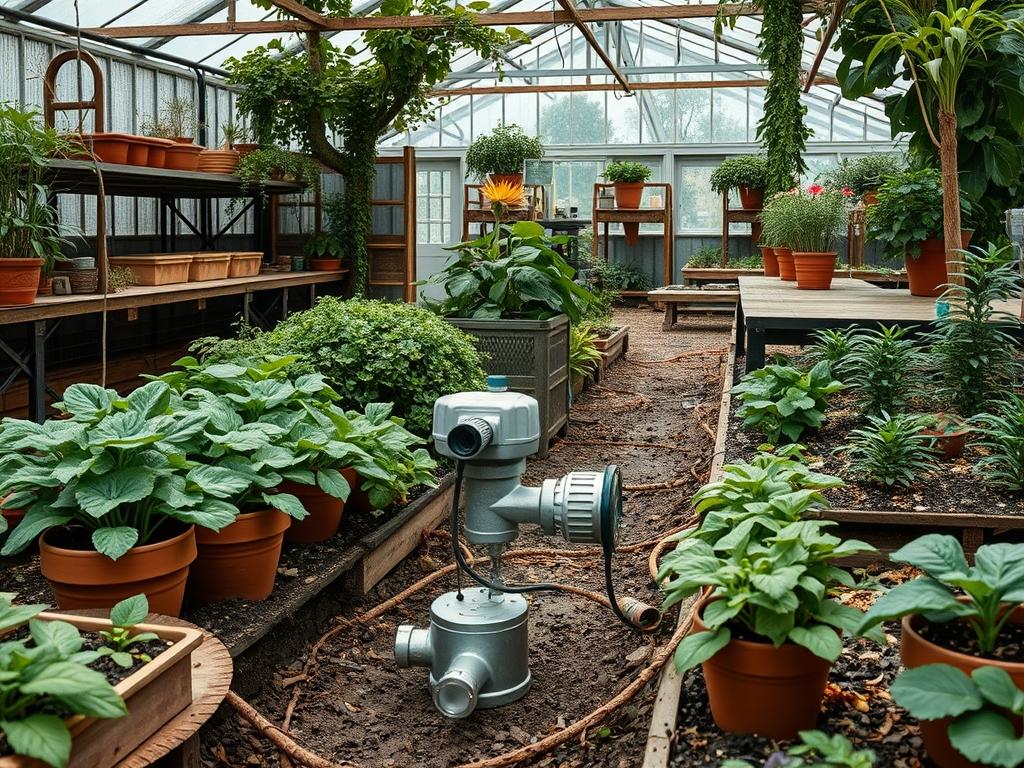
Water management is the silent foundation of any successful landscape project. When a property owner invests thousands of dollars into curated flora and high-end hardscaping, the longevity of that investment depends entirely on the precision of the hydration system. Modern outdoor environments are no longer simple patches of grass; they are sophisticated ecosystems comprising diverse microclimates, varying elevations, and tiered planting beds. The primary challenge for any consultant is balancing the aesthetic goals of curb appeal with the functional reality of local climate shifts. Frequent droughts or unexpected heat waves can decimate a garden in a matter of days if the irrigation strategy is reactive rather than proactive. This is where the integration of Automated Garden Valve Tech becomes the defining factor of a resilient landscape. By automating the delivery of water, we remove the variable of human error and replace it with data-driven precision. This technology allows for the creation of distinct hydrozones, ensuring that a water-hungry Japanese Maple receives exactly what it needs without over-saturating the drought-tolerant Blue Oat Grass nearby.
Landscape Design Principles
A professional landscape is built on the pillars of symmetry, proportion, and visual balance. We look at a property not as a flat canvas, but as a three-dimensional volume where elevation layers define the movement of the eye. Retaining walls and terraced garden beds are excellent tools for creating these layers, but they complicate the logistics of water distribution. When planning a site, I prioritize the concept of a focal point, perhaps a specimen tree or a stone sculpture, and build the rest of the greenery in descending heights to create a sense of natural enclosure. This layering creates depth and makes smaller suburban lots feel like expansive estates.
However, visual beauty is fleeting without structural integrity. Irrigation planning must happen concurrently with the aesthetic design. If we place a walkway made of Flagstone or Pavers through the center of a yard, the PVC piping for the Automated Garden Valve Tech must be sleeved beneath the path before the stone is set. We also consider the flow of traffic. Walkways should be wide enough for two people to pass comfortably, typically requiring a width of at least 4 feet. By centering the design on these functional axes, we ensure that the mechanical components of the garden remain invisible while providing the lifeblood necessary for the plants to thrive.
Plant and Material Selection
Selecting the right plant material requires a deep understanding of the local USDA Hardiness Zone and the specific soil chemistry of the site. In modern integrated designs, we categorize plants by their “hydrozone” requirements to optimize the use of our Automated Garden Valve Tech systems.
| Plant Type | Sun Exposure | Soil Needs | Water Demand | Growth Speed | Maintenance Level |
| :— | :— | :— | :— | :— | :— |
| Lavandula angustifolia | Full Sun | Well-drained, Sandy | Low | Moderate | Low |
| Buxus sempervirens | Full to Partial Sun | Loamy, Moist | Moderate | Slow | High (Pruning) |
| Festuca glauca | Full Sun | Poor to Average | Very Low | Moderate | Low |
| Cornus sericea | Full Sun to Shade | Wet, Clay-heavy | High | Fast | Moderate |
| Echinacea purpurea | Full Sun | Neutral, Well-drained | Moderate | Fast | Low |
| Hydrangea macrophylla | Partial Shade | Rich, Organic | High | Moderate | High |
Using a mix of these species requires a valve system that can handle different schedules. The Cornus sericea might require a daily deep soak through Drip Emitters, while the Lavandula only needs a brief cycle every ten days once established.
Implementation Strategy
The transition from a blueprint to a finished garden requires a disciplined sequence of events. First, we address the grading of the site. Proper slope is essential to move water away from the home foundation, generally requiring a drop of at least 2 inches for every 10 feet of distance. Once the rough grade is established, we begin the installation of the Mainline. This high-pressure pipe feeds the manifold where the Automated Garden Valve Tech components are housed. I prefer to centralize these valves in a heavy-duty Valve Box that is flush with the ground and hidden by low-growing groundcover.
After the irrigation skeleton is in place, we focus on hardscaping. Retaining walls should be constructed with a solid footing of crushed stone and include a Perforated Drain Pipe behind the wall to prevent hydrostatic pressure from causing a collapse. Following the hardscape, we layout the plants according to the design. We dig holes that are twice the width of the root ball but no deeper, ensuring the crown of the plant stays slightly above the soil line to prevent rot. Finally, we apply a layer of Hardwood Mulch at a depth of 3 inches. This mulch serves three purposes: it suppresses weeds, regulates soil temperature, and slows the evaporation of the water delivered by our automated system.
Common Landscaping Failures
The most frequent mistake I see in residential projects is “the immediate gratification trap.” Homeowners often plant for how they want the garden to look today, rather than how it will look in five years. This leads to improper spacing and root overcrowding. When plants are too close, they compete for nutrients and airflow, which invites fungal diseases. Another critical failure involves drainage. Many DIY projects fail to account for “the bowl effect,” where a sunken area of the lawn collects runoff during heavy storms. Without a French Drain or a dedicated Zoned Valve to handle moisture-sensors in that area, the plants there will likely suffer from root asphyxiation.
Furthermore, soil compaction is a silent killer. During construction, heavy machinery compresses the earth, destroying the pore spaces that hold oxygen. If you do not perform a thorough Aeration or incorporate organic Compost into the soil before planting, your Automated Garden Valve Tech will be ineffective; water will simply sit on the surface or run off without penetrating the root zone. Irrigation inefficiency is the final hurdle. Using a single zone for both a lawn and a flower bed is a recipe for disaster; one will always be either drowning or parching.
Seasonal Maintenance
A landscape is a living entity that requires a seasonal roadmap to stay healthy. In the Spring, the focus is on re-activation and inspection. We flush out the Irrigation Zones, check the Solenoids in the Automated Garden Valve Tech for any winter damage, and replace the batteries in the Smart Controller. This is also the time for a crisp Edging of the garden beds using a sharp Spade to keep the grass from encroaching.
As we move into Summer, the priority shifts to moisture retention and stress management. We adjust the irrigation timers to run in the early morning, typically around 4:00 AM, to minimize evaporation. Deadheading spent flowers on species like Echinacea will encourage a second flush of blooms. In Autumn, we prepare for dormancy. This involves applying a winterizing fertilizer, planting spring bulbs, and, most importantly, blowing out the irrigation lines with an Air Compressor to prevent the pipes from freezing and cracking. During the Winter, maintenance is minimal, but we must protect delicate shrubs from heavy snow loads and ensure that the Backflow Preventer is properly insulated.
Professional Landscaping FAQ
How does Automated Garden Valve Tech save money?
By utilizing weather-based sensors and precise timing, these systems prevent over-watering. They reduce monthly utility bills while extending the life of expensive plant material. This prevents the recurring cost of replacing plants that died from moisture stress or fungal disease.
What is the ideal thickness for mulch in a new bed?
A depth of 3 inches is the industry standard. This is thick enough to retain significant soil moisture and block sunlight from reaching weed seeds, yet thin enough to allow oxygen to reach the root systems of the plants.
Why is my lawn brown despite having an automated system?
This is often caused by clogged Spray Heads or a malfunctioning Solenoid Valve. It may also result from “under-cycling,” where water does not penetrate deep enough to reach the roots, causing the grass to rely on shallow, vulnerable surface moisture.
Can I integrate native plants with an automated system?
Yes, and it is highly recommended. Native plants have specific establishment periods where they need consistent water. Once mature, you can simply adjust your Automated Garden Valve Tech settings to a “minimal” schedule, saving resources while keeping the plants healthy.
How do I prevent drainage issues near my retaining wall?
Always install a Gravel backfill and a 4-inch perforated pipe behind the base of the wall. This allows water to exit through “weep holes” rather than building up pressure that could eventually cause the structural failure of the wall.