
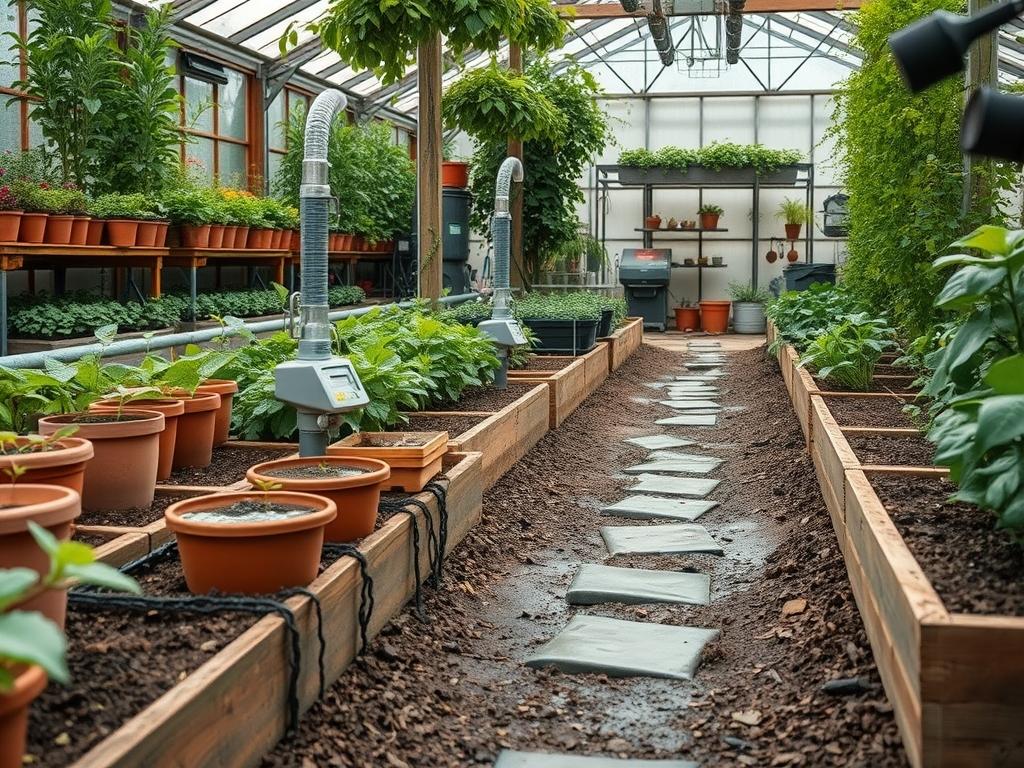
Managing a modern estate requires more than just an eye for aesthetic beauty; it demands a rigorous approach to resource management and environmental stewardship. When we design high-end outdoor environments, the primary challenge often lies in balancing lush, vibrant greenery with the reality of fluctuating utility costs and erratic weather patterns. A landscape that looks pristine in May may face significant stress by August if the infrastructure underneath the soil is not equipped for precision. This is where the integration of Smart Irrigation Flow Tech becomes the defining factor between a garden that merely survives and one that truly thrives. High-performance landscapes necessitate a move away from traditional timers toward data-driven systems that monitor water movement in real time. By prioritizing flow technology, property owners can protect their investment, enhance curb appeal, and ensure that every drop of water is accounted for across complex elevation changes and diverse planting zones.
Landscape Design Principles
Successful landscape architecture relies on the foundational principles of symmetry, focal points, and elevation layers. When we plan a site, we consider the visual weight of every element, from a specimen Japanese Maple to the structural lines of a custom retaining wall. However, these artistic choices are tethered to the hydraulic capabilities of the site. Proper irrigation planning is not an afterthought; it is a structural requirement that must be mapped alongside walkways and drainage systems.
Visual balance is achieved when the density of the planting reflects the topography of the land. For example, higher elevations often require different watering schedules than low-lying areas where runoff might collect. By utilizing Smart Irrigation Flow Tech, architects can segment the property into distinct hydrozones. These zones ensure that a drought-tolerant rock garden does not receive the same saturation as a thirsty bank of Hydrangeas. Furthermore, the inclusion of clear walkways and negative space provides a necessary reprieve for the eye and allows for easy access to underground components. When the technical layout matches the aesthetic layout, the result is a seamless outdoor environment that feels both intentional and sustainable.
Plant and Material Selection
Choosing the right flora involves analyzing sun exposure, soil composition, and water requirements. The following table provides a guide for common selections in high-performance landscapes where precision irrigation is utilized.
| Plant Type | Sun Exposure | Soil Needs | Water Demand | Growth Speed | Maintenance Level |
| :— | :— | :— | :— | :— | :— |
| English Lavender | Full Sun | Well-Drained | Low | Moderate | Low |
| Bigleaf Hydrangea | Partial Shade | Rich, Loamy | High | Fast | Medium |
| American Boxwood | Full to Part Sun | Well-Drained | Moderate | Slow | High (Pruning) |
| Switchgrass | Full Sun | Sandy/Clay | Low | Fast | Low |
| Japanese Maple | Dappled Shade | Slightly Acidic | Moderate | Slow | Medium |
| Creeping Thyme | Full Sun | Rocky/Lean | Very Low | Moderate | Low |
Implementation Strategy
The transition from a design concept to a functioning backyard requires a methodical implementation strategy. The process begins with a comprehensive site assessment, where we evaluate the current grading and identify potential drainage bottlenecks. Before a single plant is placed in the ground, the hardscaping must be established. This includes the installation of retaining walls, paver pathways, and the primary irrigation mainlines.
When installing Smart Irrigation Flow Tech, the placement of the flow sensor is critical. We typically install these sensors immediately after the backflow preventer but before the master valve. This positioning allows the system to detect leaks anywhere in the lateral lines or at the emission points. Once the plumbing is secured, we focus on soil preparation. We recommend a consistent 3 inch mulch depth using organic materials like shredded cedar or hemlock to retain moisture and regulate soil temperature.
Next, we establish the planting beds according to the layering principle. Taller trees provide the canopy, followed by mid-sized shrubs, and finally groundcovers. During the planting phase, we ensure that the drip emitters or rotary nozzles are placed specifically at the root ball of each specimen. For large scale projects, we often use 1 inch PVC piping for mainlines to ensure adequate pressure reaches the furthest corners of the property. The final step involves calibrating the flow tech software. This includes setting the high-flow and low-flow thresholds, which allows the system to automatically shut off the water supply if a pipe bursts or a head is damaged, preventing catastrophic soil erosion or basement flooding.
Common Landscaping Failures
The most frequent failures in landscape management often stem from a lack of visibility into what is happening beneath the turf. Irrigation inefficiency is the silent killer of many professional designs. Without flow monitoring, a broken lateral line can leak thousands of gallons of water over a single month, causing soil compaction and root rot long before any surface signs appear. Another common mistake is improper spacing. We often see Boxwoods planted too closely together, which restricts airflow and creates a breeding ground for fungal pathogens.
Root overcrowding is another significant issue, particularly when large canopy trees are placed too close to retaining walls or underground utility lines. As the roots expand, they can heave stone work or puncture irrigation lines. Drainage mistakes also rank high among landscape failures. If the grading of the land does not direct water away from the foundation and toward a dedicated French drain or catch basin, the resulting puddling can drown expensive plant material and compromise the structural integrity of the home. Smart Irrigation Flow Tech addresses many of these issues by providing daily reports on usage, allowing managers to identify anomalies that suggest localized drainage problems or clogs in the system.
Seasonal Maintenance
Landscape management is a year round commitment that changes with the cycles of the environment. In the spring, the focus is on reactivation and assessment. This is the time to check all flow sensors for debris and ensure that the master valve is functioning correctly. We perform a system flush to clear out any silt that may have accumulated during the winter and check for any cracks in the PVC lines caused by frost heave.
During the summer, the priority shifts to optimization. As temperatures rise, the Smart Irrigation Flow Tech becomes invaluable for adjusting schedules based on real-time evapotranspiration data. We monitor the GPM (Gallons Per Minute) to ensure that the increased demand is met without exceeding the capacity of the local water source.
In autumn, we begin the process of preparing for dormancy. This involves reducing water frequency as plants slow their metabolic processes. We also apply a fresh layer of mulch to protect root systems from the coming cold. Finally, winter maintenance is focused on protection. In colder climates, we perform a full system blowout using an air compressor to remove all water from the lines, preventing freeze damage. The electronic components of the flow tech system should be powered down or insulated to ensure they are ready for another year of service.
Professional Landscaping FAQ
How does flow tech detect a minor leak?
Smart sensors monitor the baseline GPM of each zone. If the usage exceeds the established parameters by even a small percentage, the system flags the anomaly and can send an immediate alert to your smartphone.
Can I retrofit an old system with flow technology?
Yes, most professional systems can be retrofitted. You will need to install a compatible flow meter and potentially upgrade your irrigation controller to one that supports data input and real-time monitoring.
What is the best mulch for water retention?
Finely shredded bark mulch is excellent because it mats together to reduce evaporation. Aim for a 3 inch depth to keep the soil cool and moist while preventing weed growth around your primary plantings.
Why is grading important for irrigation?
Proper grading ensures that excess water moves away from structures and does not pool in sensitive planting beds. Without correct slopes, even the smartest irrigation system can lead to saturated soil and plant death.
How often should I check my flow sensors?
We recommend a physical inspection twice a year, once during spring startup and once before winterization. However, you should check the digital logs monthly to ensure that the recorded data matches your expected water usage.