
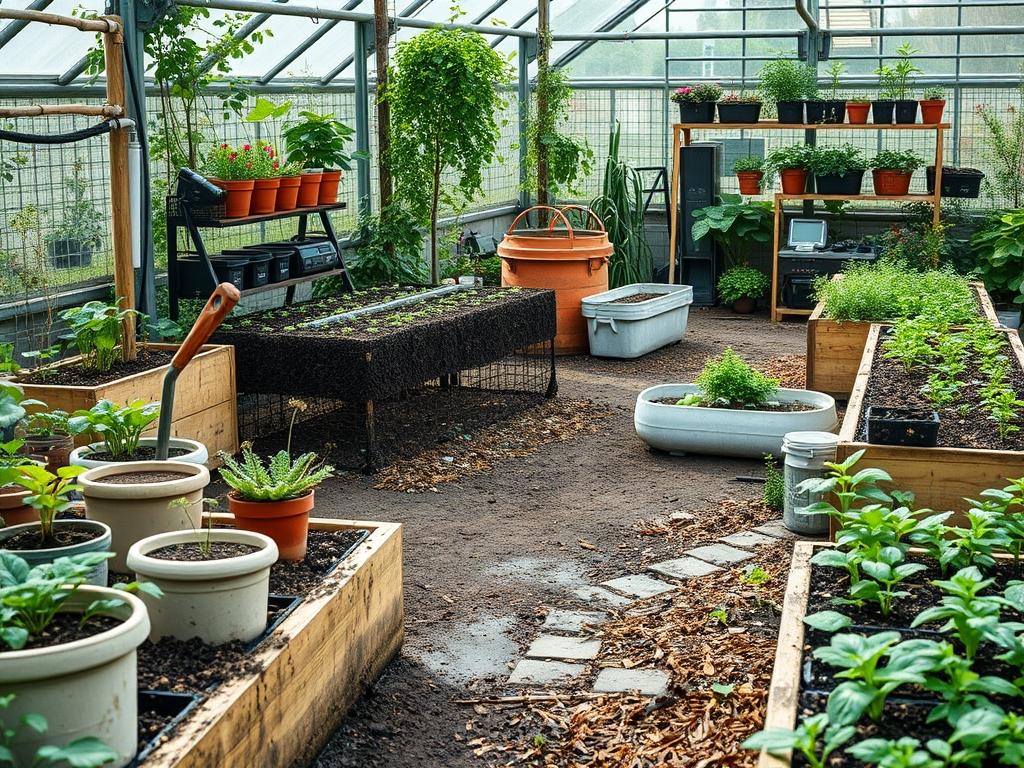
Modern landscaping transcends mere aesthetic appeal; it is the synthesis of environmental science, structural engineering, and automated technology. Property owners often struggle with the delta between a visionary design and the practical realities of maintenance, climate fluctuations, and water conservation. Achieving high impact curb appeal requires more than a green thumb. It demands an understanding of how elevation, soil chemistry, and moisture delivery systems interact to create a sustainable ecosystem. By utilizing a Smart Irrigation Design Pro approach, architects can now predict water needs with surgical precision, ensuring that the investment in high end foliage and hardscaping survives the transition from the nursery to the backyard.
The local climate remains the most influential factor in any outdoor project. Selecting species that struggle against the local heat index or average rainfall leads to a cycle of constant replacement and wasted resources. A professional consultant views the site as a series of microclimates where wind patterns, sun exposure, and drainage gradients dictate the health of the greenery. Functionality is equally vital. A landscape must serve the lifestyle of the inhabitants, providing zones for entertainment, relaxation, and movement through the property. When these elements are balanced, the outdoor environment becomes an extension of the home, increasing property value and providing a sanctuary that thrives through the seasons.
Landscape Design Principles
Successful landscape design rests on the foundational concepts of symmetry and visual balance, though these do not always imply perfect mirroring. Asymmetrical balance can be achieved by placing a large Japanese Maple on one side of a walkway and a cluster of smaller Boxwood Shrubs on the other. This creates a focal point that draws the eye without feeling rigid. Elevation layers are critical for adding depth. By using Retaining Walls and terraced garden beds, designers can introduce vertical interest to a flat lot. These layers also serve a functional purpose, helping to manage runoff and prevent soil erosion during heavy downpours.
Irrigation planning must occur simultaneously with the initial layout. It is a common mistake to design a garden and then try to fit the pipes afterward. Using a Smart Irrigation Design Pro mindset allows for the creation of hydrozones, where plants with identical water requirements are grouped together. This prevents overwatering of drought tolerant succulents while ensuring that thirsty Hydrangeas receive adequate moisture. Walkways should be wide enough for two people to walk abreast, typically measured at 48 inches. These paths act as the circulatory system of the garden, guiding visitors through the various elevation changes and past the selected focal points.
Visual balance is further enhanced through the repetitive use of textures and colors. A garden that features too many different species can appear chaotic. Instead, professionals often limit the palette to three or five primary plant types, repeating them in clusters throughout the space. This repetition provides a sense of cohesion. When paired with high tech irrigation, these clusters receive the exact amount of water needed based on real time weather data and soil moisture sensors, reducing water waste by up to 50 percent compared to traditional manual timers.
Plant and Material Selection
The following table outlines high performance plants frequently used in modern, tech integrated landscapes. These selections are chosen for their resilience and compatibility with automated systems.
| Plant Type | Sun Exposure | Soil Needs | Water Demand | Growth Speed | Maintenance Level |
| :— | :— | :— | :— | :— | :— |
| Blue Star Juniper | Full Sun | Well Drained | Low | Slow | Low |
| Purple Coneflower | Full Sun | Loamy/Sandy | Moderate | Medium | Low |
| Hostas | Partial Shade | Rich/Moist | Moderate | Medium | Medium |
| Dwarf Fountain Grass| Full Sun | Adaptable | Low | Fast | Low |
| Emerald Green Arborvitae | Full to Partial Sun | Moist/Well Drained | Moderate | Medium | Medium |
| Catmint | Full Sun | Average | Low | Fast | Low |
Material selection extends beyond the plants. Crushed Granite, River Rock, and Cedar Mulch provide the necessary top layer for moisture retention and weed suppression. In a Smart Irrigation Design Pro environment, the choice of mulch affects sensor accuracy. Organic mulches like Bark Chips help regulate soil temperature, while inorganic options like Lava Rock may retain heat, potentially impacting the root zones of sensitive species.
Implementation Strategy
The transition from a blueprint to a finished landscape requires a disciplined sequence of events. The first step is always grading. Before a single plant goes into the ground, the land must be shaped to move water away from the home foundation. A slope of at least 2 percent is standard for proper drainage. Once the grade is established, hardscaping elements such as Paver Patios and Stone Walkways are installed. These permanent structures define the boundaries of the planting beds.
Next, the subterranean components of the Smart Irrigation Design Pro system are buried. This includes the main water lines, lateral lines, and electrical conduits for low voltage lighting. It is essential to use Schedule 40 PVC or high density polyethylene tubing for longevity. After the infrastructure is hidden, the soil is amended with Compost and Topsoil to a depth of 6 inches to ensure a nutrient rich environment for new roots.
Edging provides the crisp lines that define professional work. Use Steel Edging or Paver Borders to separate turf areas from garden beds. This prevents grass from encroaching into the mulch and simplifies mowing. When planting, the hole should be twice as wide as the root ball but no deeper. This encourages outward root growth. Finally, apply a 3 inch layer of mulch across all beds, ensuring the material does not touch the trunk of trees or the base of shrubs to prevent rot.
Common Landscaping Failures
The most frequent failure in residential landscaping is poor drainage. Standing water will suffocate roots and create breeding grounds for pests. Often, this is caused by improper grading or the failure to install a French Drain in low lying areas. Another common issue is root overcrowding. It is tempting to plant closely for an immediate “full” look, but ignoring the mature width of a Spruce or Oak will lead to stunted growth and structural interference as the trees age.
Irrigation inefficiencies also rank high among failures. Traditional “spray and pray” methods often result in water hitting the sidewalk more than the soil. Using a Smart Irrigation Design Pro system corrects this through pressure regulated heads and drip emitters that deliver water directly to the root zone. Furthermore, soil compaction is a silent killer. Heavy foot traffic or machinery can pack the soil so tightly that oxygen and water cannot reach the roots. Aeration and the addition of Organic Matter are the only ways to reverse this damage once it has occurred.
Seasonal Maintenance
Landscape management is a year round commitment that changes with the weather. In the spring, the focus is on reactivation. This involves flushing the irrigation lines, testing the smart controller, and applying a pre emergent herbicide to prevent weed seeds from germinating. Pruning should be done for spring blooming shrubs immediately after their flowers fade.
Summer maintenance centers on water management and heat stress. The Smart Irrigation Design Pro system should be adjusted to account for higher evaporation rates. Mulch levels must be checked and replenished to keep soil temperatures stable. In the autumn, the priority shifts to leaf removal and winterization. Leaving a thick layer of wet leaves on the turf will cause fungal issues. Irrigation systems must be blown out with Air Compressors in colder climates to prevent pipes from bursting during a hard freeze.
Winter is the time for structural pruning. With the leaves gone, it is easier to see the skeletal structure of deciduous trees. Removing crossing or diseased branches now will lead to a healthier growth spurt in the spring. It is also an ideal time to review the data gathered by the smart system over the past year to plan for efficiency upgrades in the coming season.
Professional Landscaping FAQ
How does smart irrigation save money?
It uses Weather Sensors and real time data to adjust watering schedules automatically. This prevents watering during rainstorms or high winds, significantly reducing utility bills while maintaining plant health through precise moisture delivery to the root zone.
What is the best depth for mulch?
A depth of 3 inches is ideal for most garden beds. This thickness provides adequate weed suppression and moisture retention without suffocating the soil. Ensure the mulch is kept away from the direct base of woody stems and trunks.
When should I hire a professional for grading?
If you notice standing water within 24 hours after a rainfall or if water flows toward your home foundation, professional intervention is necessary. Correcting slope issues requires heavy machinery and precise measurements to ensure long term structural safety.
Can I mix different plant types in one zone?
Only if they share similar water and sun requirements. Grouping plants into hydrozones is a core principle of Smart Irrigation Design Pro. Putting a drought tolerant shrub with a water loving perennial leads to one of them failing.
How often should I test my irrigation system?
A full system audit should be performed twice per year, typically during spring startup and mid summer. Check for clogged nozzles, broken heads, and Ensure the smart controller is still receiving a strong Wi-Fi Signal for data updates.