
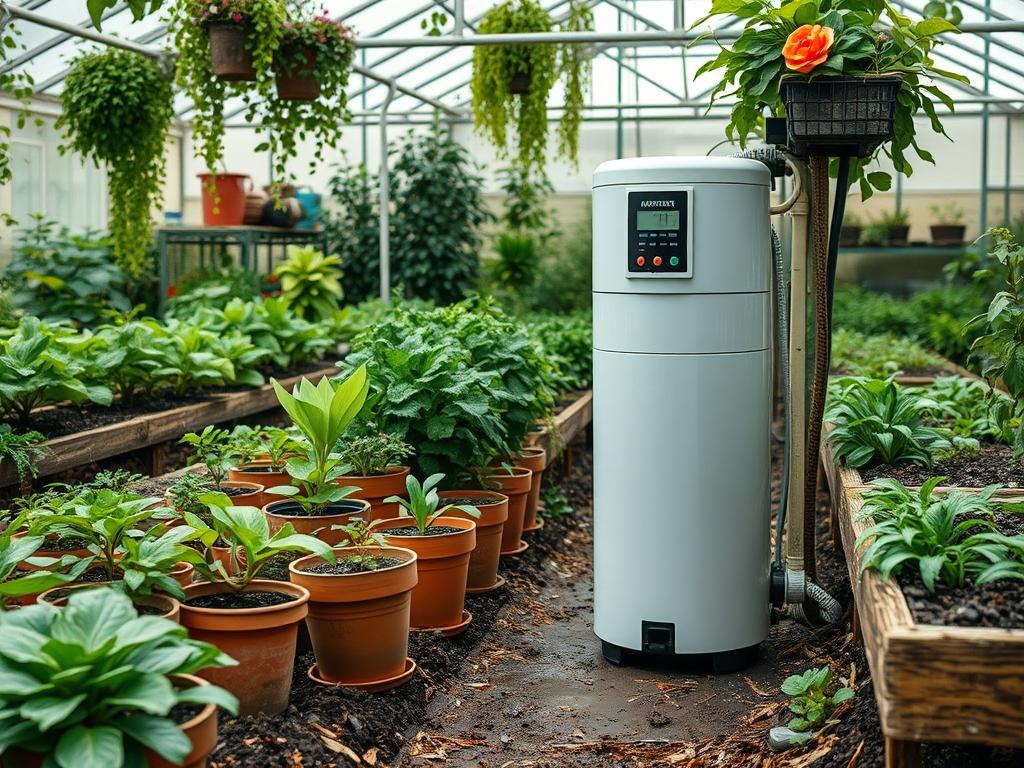
Designing a high performance landscape requires more than just an eye for aesthetics; it requires a deep understanding of the chemical interactions between the local water supply and the biological health of the soil. When homeowners and property managers evaluate the longevity of their outdoor investments, the question of water quality frequently arises. Automated water softeners are primarily viewed as indoor appliances, yet their impact extends to the perimeter of the property. In regions where the mineral content of the water is high, calcium and magnesium deposits can wreak havoc on expensive Irrigation Systems, clogged Drip Emitters, and unsightly white scaling on Retaining Walls or Pavers. However, the integration of these systems into a garden environment involves a delicate balance between protecting infrastructure and maintaining the physiological health of the plant life.
The primary landscaping challenge in arid or hard water regions involves managing the aesthetic decline of hardscapes and the mechanical failure of water delivery tools. Curb appeal is significantly diminished when a custom Bluestone patio is covered in chalky residue, or when a Water Feature pump fails due to calcification. From a consultant’s perspective, the goal is to create a landscape that is both functional and resilient. This necessitates a strategic look at how water treatment affects the overall environment. While softened water prevents the buildup of scale, standard systems often replace calcium with sodium, which can lead to soil salinity issues. Therefore, the implementation of technology like an Automated Water Softener must be handled with technical precision to ensure that it serves the landscape rather than harming it.
Landscape Design Principles
A successful landscape design is grounded in the principles of symmetry, focal points, and elevation layers. When we plan a site, we consider how the eye moves across the horizon and how different levels of greenery create a sense of depth. Symmetry provides a sense of formal order, often achieved through paired plantings of Boxwood or matching Stone Urns at an entrance. Focal points, such as a large Multi-stem River Birch or a sculptural piece, anchor the viewer attention. If the water used to maintain these elements is overly hard, the visual balance is disrupted by the gradual yellowing of foliage or the degradation of the architectural surfaces.
Irrigation planning is perhaps the most critical component of the design phase. We must map out the hydraulic requirements of each zone, ensuring that the water pressure is consistent and the coverage is uniform. In modern luxury landscapes, we often integrate Elevation Tiers using Limestone Retaining Walls to manage slope and create interest. These structures are vulnerable to mineral staining. An Automated Water Softener can be a valuable tool here, particularly if it uses potassium chloride instead of sodium chloride. This switch protects the mechanical components of the Irrigation Controller and the Valves while providing a byproduct that is less harmful to the root zones of sensitive species. Walkways made of dark Slate or Granite also benefit from treated water, as they maintain their rich color without the interference of mineral veining caused by evaporation.
Plant and Material Selection
Choosing the right materials and plants is the signature of a professional landscape architect. The following table outlines a selection of plants commonly used in contemporary designs, paired with their specific environmental needs.
| Plant Type | Sun Exposure | Soil Needs | Water Demand | Growth Speed | Maintenance Level |
| :— | :— | :— | :— | :— | :— |
| Japanese Maple | Partial Shade | Acidic, Well-drained | Moderate | Slow | Moderate |
| Lavender | Full Sun | Gritty, Alkaline | Low | Medium | Low |
| Switchgrass | Full Sun | Adaptable | Low | Fast | Low |
| Hosta | Full Shade | Rich, Organic | High | Medium | Low |
| Boxwood | Full to Part Sun | Loamy, Neutral | Moderate | Slow | Medium |
| Hydrangea | Part Sun | Moist, Fertile | High | Fast | High |
When selecting hardscape materials, we prioritize durability. Pavers, Steel Edging, and River Rock form the skeleton of the garden. If an Automated Water Softener is in use, we must ensure that the drainage allows for occasional flushing of the soil to prevent any potential salt accumulation around the roots of species like the Japanese Maple, which is particularly sensitive to soil chemistry.
Implementation Strategy
The implementation of a professional garden layout begins with precise Grading. We must ensure that the land slopes away from the home at a rate of at least 2 percent to prevent foundation issues. Once the grade is established, we install the Hardscaping elements. This includes the placement of Boulders, the construction of Terraces, and the laying of Walkways. During this phase, the plumbing for the irrigation system is subterranean, usually at a depth of 12 to 18 inches to avoid frost damage.
After the structural elements are in place, we focus on the Softscaping layers. This involves more than just digging a hole. We use a Trenching Spade to create clean lines for Steel Edging and a Power Auger for larger tree installations. A critical step is the application of mulch. We recommend a 3-inch Layer of Hardwood Mulch or Pine Bark to regulate soil temperature and retain moisture. If an Automated Water Softener is integrated into the outdoor line, we often install a bypass valve. This allows the user to utilize treated water for decorative fountains and misting systems while using raw water for the broader lawn areas, striking a balance between machine longevity and botanical health.
Common Landscaping Failures
One of the most frequent failures in residential landscaping is poor Drainage. When water pools near the root ball, it contributes to root rot and fungal pathogens. In gardens utilizing softened water, poor drainage is even more catastrophic as it allows salts to concentrate rather than leaching through the soil profile. Another common mistake is root overcrowding. Planting a Spruce too close to a Retaining Wall will eventually lead to structural failure as the secondary growth of the roots exerts thousands of pounds of pressure against the masonry.
Improper spacing and soil compaction are also silent killers of high end designs. When heavy machinery is used during construction without protective Plywood Sheeting, the soil pores are crushed, preventing oxygen from reaching the roots. Furthermore, irrigation inefficiencies often stem from a lack of maintenance. Sprinkler Heads that are not adjusted seasonally will waste thousands of gallons of water and lead to uneven growth. If the water is hard, these heads will eventually seize up entirely. Using an Automated Water Softener can mitigate the mechanical failure, but the landscape architect must educate the client on the importance of periodic soil testing to monitor pH and salinity levels.
Seasonal Maintenance
Landscape management is a year round commitment that changes with the tilt of the earth. In the Spring, the focus is on rejuvenation. This involves pruning dead wood from Ornamentals, applying a slow release Fertilizer, and checking the Irrigation Valves for leaks. This is also the time to replenish the Mulch to a depth of 3 inches to prepare for the coming heat.
As Summer arrives, the priority shifts to water management. We monitor the Evapotranspiration Rates and adjust the Irrigation Controller accordingly. If you are using an Automated Water Softener, ensure the brine tank is full and the system is cycling correctly to avoid scale buildup during the peak watering season. In Autumn, we focus on cleanup and preparation. We leaf blow the Turf to prevent molding and perform the final mow of the season. This is also the best time to plant Native Grasses or Perennials, allowing them to establish a root system during the dormant months. Finally, in Winter, we winterize the irrigation system by blowing out the lines with an Air Compressor and focus on structural pruning of large Deciduous Trees to ensure they can handle snow loads.
Professional Landscaping FAQ
Do automated water softeners harm my lawn?
Standard softened water contains sodium that can degrade soil structure over time. To protect your lawn, use potassium-based salts or install a bypass valve that allows untreated water to flow to the grass while treated water serves your hardscapes and fountains.
How do I prevent white mineral stains on my pavers?
Mineral stains, or efflorescence, are caused by hard water evaporating on the surface. Using an Automated Water Softener for your decorative irrigation zones or hose bibs will significantly reduce these deposits and keep your Flagstone or Brick looking new.
What is the best mulch depth for weed control?
A consistent 3-inch Layer of organic mulch is ideal. This depth is sufficient to suppress weed germination and retain soil moisture without suffocating the root systems of your Shrubs and Perennials. Always keep mulch away from the direct trunk base.
Can I use softened water in my outdoor fountain?
Yes, softened water is highly recommended for Water Features. It prevents calcium buildup on the Submersible Pump and internal plumbing, which extends the life of the motor and keeps the sculptural elements free of unsightly white crusts and scale.
How often should I test my garden soil?
A professional soil test should be conducted every 2 to 3 years. This is especially important if you use treated water, as you need to monitor sodium levels and pH balance to ensure your Native Plants continue to thrive.