
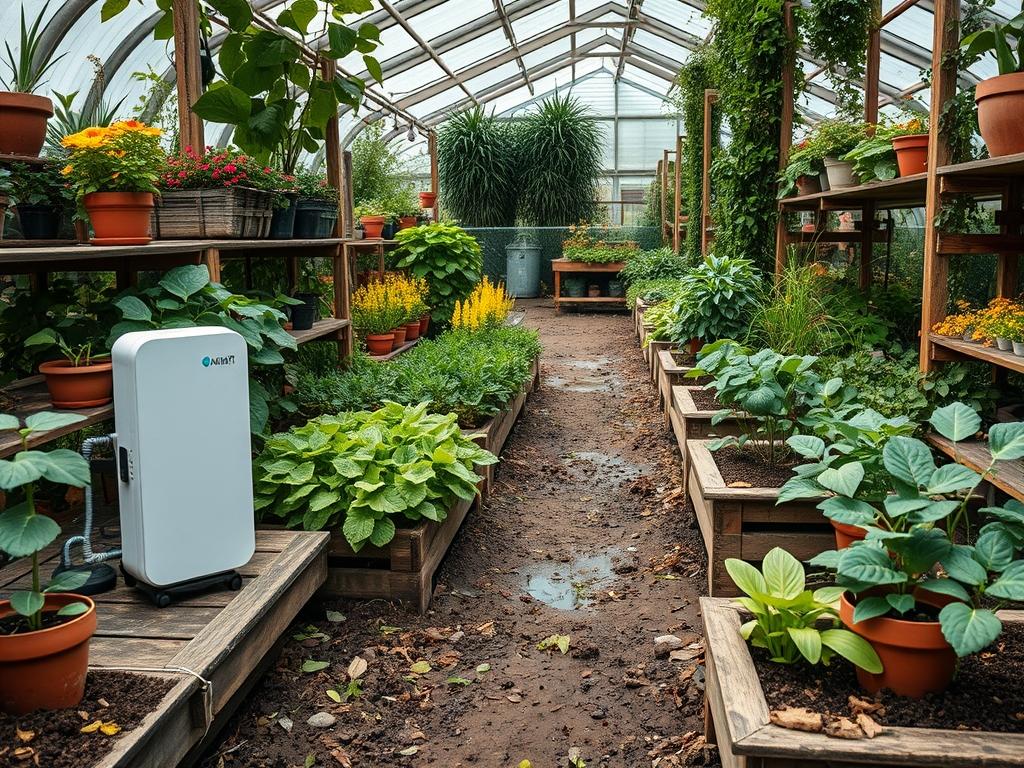
Developing a modern landscape in 2026 requires more than just a mastery of horticulture and soil science; it necessitates the seamless integration of digital infrastructure into the natural environment. The contemporary outdoor living space has evolved into a multi-functional sanctuary where smart irrigation, automated lighting, and remote work hubs converge. To support this mesh of technology, the installation of Smart Garden Wi-Fi Extenders has become a fundamental requirement for the high-end residential landscape. Architects must now view connectivity as a utility as vital as water or electricity. The challenge lies in mounting these technical components so they provide maximum coverage without disrupting the visual harmony of the site. We must consider the climate of the region, the density of the foliage, and the specific topography of the lot to ensure that the signal penetrates through various elevation layers and hardscape structures. A well-planned digital footprint enhances the functionality of the garden, allowing homeowners to manage their smart controllers from a remote sun deck or a secluded meditation grove. By addressing these technical needs during the initial design phase, the landscape architect ensures that the finished product is both aesthetically pleasing and technologically resilient.
Landscape Design Principles
Effective landscape design begins with a commitment to symmetry and the establishment of clear focal points. When we integrate Smart Garden Wi-Fi Extenders, we often utilize architectural elements such as pergolas, retaining walls, or custom gate posts as mounting surfaces. These structures provide the necessary height for signal dispersion while grounding the device within the garden hierarchy. We balance these rigid lines with elevation layers, using tiered plantings to soften the transition from the built environment to the natural one. For instance, a natural stone wall at a height of 36 inches can serve as both a seat wall and a conduit housing for subsurface cabling.
Visual balance is achieved when the weight of the hardscaping matches the density of the softscaping. In larger estates, we often utilize a central axis that guides the eye toward a distant feature, such as a water fountain or a sculptural specimen tree. Modern connectivity allows these distant features to be part of the smart ecosystem. We must plan the irrigation zones and drainage paths concurrently with the Wi-Fi layout to prevent interference. Drip irrigation lines should be buried at a depth of at least 8 inches to avoid contact with high-speed data cables. Walkways and paths create the circulatory system of the yard, and their placement should encourage movement while keeping users within the range of the Smart Garden Wi-Fi Extenders. By using permeable pavers and decorative gravel, we maintain drainage efficiency while providing stable paths for maintenance access.
Plant and Material Selection
| Plant Type | Sun Exposure | Soil Needs | Water Demand | Growth Speed | Maintenance Level |
| :— | :— | :— | :— | :— | :— |
| Buxus sempervirens | Full Sun to Shade | Well-Drained Loam | Moderate | Slow | High (Pruning) |
| Miscanthus sinensis | Full Sun | Adaptable | Low | Fast | Low (Annual Cut) |
| Lonicera sempervirens | Full Sun/Part Shade | Moist, Rich | Moderate | Fast | Moderate (Training) |
| Lavandula angustifolia | Full Sun | Sandy/Alkaline | Very Low | Medium | Low (Deadheading) |
| Acer palmatum | Dappled Shade | Slightly Acidic | Moderate | Slow | Moderate (Pruning) |
| Cornus sericea | Full Sun/Part Shade | Wet/Clay | High | Fast | Low (Thinning) |
Selecting the right materials extends beyond plants to the hardscape components that protect your technology. We recommend weatherproof NEMA 4X enclosures for any auxiliary hardware. For organic materials, using a double-shredded hardwood mulch at a depth of 3 inches provides excellent moisture retention and weed suppression without shifting during heavy rains.
Implementation Strategy
The implementation of a high-tech landscape begins with a comprehensive site survey and grading plan. Before a single plant is placed, we must ensure the land slopes away from the home at a minimum of 2 percent to facilitate proper drainage. We begin by trenching for conduit and irrigation headers. If you are installing Smart Garden Wi-Fi Extenders, the power and data cables should be housed in 1-inch PVC conduit buried 18 inches deep to meet standard safety codes.
Once the subsurface utilities are in place, we focus on the edging and hardscaping. Using steel edging or cobblestone borders defines the beds and prevents the migration of turfgrass into the planting areas. The placement of retaining walls follows, which can be used to create level planting pockets on sloped terrain. After the structural elements are set, we amend the soil with organic compost to a depth of 12 inches to ensure the native plants have a nutrient-rich foundation. Planting follows the “top-down” rule; we install canopy trees first, followed by understory shrubs, and finally groundcovers. This order protects smaller, delicate plants from being trampled during the installation of larger specimens. Finally, the application of granular fertilizer and a consistent layer of mulch finishes the site, providing a polished look that boosts curb appeal.
Common Landscaping Failures
One of the most frequent errors in landscape architecture is poor drainage planning. When water pools around the base of walls or near electrical components like Smart Garden Wi-Fi Extenders, it leads to structural decay and hardware failure. We must avoid “bathtub” effects where heavy clay soil holds water in a planting hole, effectively drowning the root ball. Another common mistake is root overcrowding. Homeowners often want an “instant” mature look, but planting a Quercus rubra (Red Oak) too close to a foundation or a hardscape patio will lead to cracked concrete and lifted stones within a decade.
Improper spacing also affects the health of the plants by limiting airflow, which encourages fungal growth in humid climates. Soil compaction is a silent killer of landscapes. During construction, heavy machinery compresses the earth, destroying the pore spaces that hold oxygen and water. We must use aeration tools or radial trenching to restore soil structure before planting. Lastly, irrigation inefficiencies often result from a lack of pressure regulation. If the sprinkler heads are misting rather than throwing large droplets, much of the water is lost to evaporation, leaving the root zones parched and the smart sensors providing inaccurate data.
Seasonal Maintenance
Seasonal care is the insurance policy for your landscape investment. In the Spring, the focus is on renewal. We perform dormant pruning on deciduous shrubs and apply a pre-emergent weed control to the beds. This is the time to inspect your Smart Garden Wi-Fi Extenders for any damage from winter ice or nesting insects. Summer maintenance shifts toward moisture management. We monitor the drip irrigation systems and check the depth of the mulch to ensure it hasn’t thinned, as this leads to soil overheating.
During the Autumn, we focus on cleanup and preparation for dormancy. This involves the aeration and overseeding of turf areas and the planting of spring-blooming bulbs. We also cut back ornamental grasses like Miscanthus once they have turned a golden tan. In Winter, the landscape rests; however, the architect must ensure that plow paths do not damage evergreen hedges or outdoor lighting fixtures. We also suggest applying a wilt-pruf antitranspirant to broadleaf evergreens like rhododendrons to prevent desiccation from harsh winter winds.
Professional Landscaping FAQ
How do I choose the location for my Wi-Fi extender?
Place the device at a height of 5 to 8 feet on a central axis. Avoid dense metal obstructions or thick masonry walls. Ensure it has a clear line of sight to the primary outdoor living areas for maximum signal strength.
What is the best way to hide outdoor wires?
Always use conduit for protection. Bury the lines along the edges of walkways or beneath mulch beds. For a finished look, paint the exposed conduit to match the color of the retaining wall or fence it is mounted on.
Will large trees block my smart garden signal?
High-density foliage can attenuate signals. To mitigate this, place Smart Garden Wi-Fi Extenders away from thick evergreen screens like Thuja occidentalis. Deciduous trees offer less interference in winter, but summer canopy density can reduce range by 15 to 20 percent.
How do I prevent drainage issues near electronics?
Ensure the grade falls away from the mounting post at a 3 percent slope. Install French drains or catch basins in low-lying areas. This directs surface runoff into a rain garden or dry creek bed rather than near your hardware.
What mulch is best for a smart landscape?
Cedar mulch is excellent for smart gardens because it is naturally rot-resistant and deters insects that might inhabit electrical enclosures. Maintain a depth of 3 inches, keeping it 2 inches away from the base of woody stalks to prevent bark rot.