
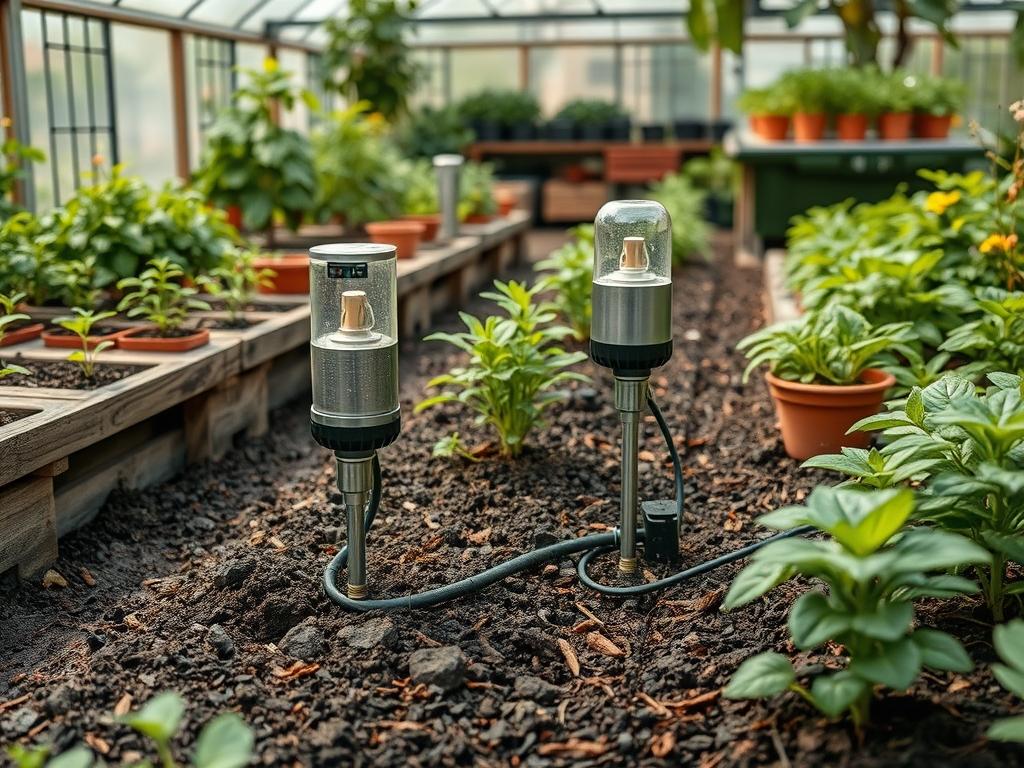
Achieving a sustainable water feature requires more than just aesthetic intuition; it demands precise hydraulic management. In high end residential and commercial landscaping, ponds serve as critical focal points that enhance curb appeal and provide essential cooling through evapotranspiration. However, the most beautiful pond can quickly become a liability if the water remains stagnant or if the pump system fails unnoticed. This is where the integration of Solar Pump Flow Sensors becomes an indispensable asset for the modern environment consultant. These devices allow for real time monitoring of water movement, ensuring that aeration levels remain optimal for aquatic life and that the aesthetic value of a waterfall or fountain is never compromised by mechanical failure. When we design for varying climates, especially in regions with high solar gain, utilizing sun powered technology reduces the carbon footprint while maintaining the outdoor functionality goals of the property.
Total landscape harmony relies on the balance between hardscaping and softscaping. A pond is not a standalone element but a dynamic system that interacts with the surrounding soil, plants, and wind patterns. By monitoring the output of a pump, designers can detect early warning signs such as debris buildup or pump fatigue before they manifest as visible algae blooms or foul odors. Professional grade Solar Pump Flow Sensors provide the data necessary to adjust flow rates according to seasonal needs, ensuring that the water volume remains consistent even as temperatures fluctuate. This level of technical oversight transforms a simple backyard pond into a sophisticated ecological feature that increases property value and provides a serene outdoor living environment.
Landscape Design Principles
When conceptualizing a landscape that includes water, symmetry and focal points must be established early in the planning phase. A pond should act as the anchor of the garden, pulling the eye toward a central feature like a weeping Taxodium distichum or a bespoke stone sculpture. Elevation layers are equally significant. Transitioning from a high retaining wall to a lower basin creates natural movement, but this movement must be controlled. If the hydraulic head is too great for the pump capacity, the visual impact is lost. Integrating Solar Pump Flow Sensors ensures that the designed flow rate matches the actual output, preserving the intended visual balance and soundscape of the environment.
Walkways and circulation paths should lead the viewer toward the water while maintaining a safe distance from delicate banks. These paths provide the infrastructure for hidden irrigation lines and electrical conduits for the solar array. Proper planning involves mapping out the solar insolation patterns to place panels where they will receive maximum exposure safely away from the pond spray or high moisture zones. Visual balance is achieved by mirroring the pond shape with organic plant groupings, ensuring that the heavy stone elements do not overwhelm the softness of the surrounding greenery.
Plant and Material Selection
Selecting the right materials and vegetation is a technical endeavor that dictates the longevity of the pond. We often utilize 45 mil EPDM liners for durability and river rock ranging from 2 inches to 8 inches in diameter to create a naturalistic bed. The following table outlines primary plant selections for pond margins and aquatic zones.
| Plant Type | Sun Exposure | Soil Needs | Water Demand | Growth Speed | Maintenance Level |
| :— | :— | :— | :— | :— | :— |
| Nymphaea (Water Lily) | Full Sun | Heavy Clay | High (Deep) | Moderate | Medium |
| Iris pseudacorus | Full to Part Sun | Rich Loam | High (Marginal) | Fast | Low |
| Pontederia cordata | Full Sun | Saturated Mud | High (Shallow) | Moderate | Low |
| Equisetum hyemale | Part Shade | Sandy Loam | Moderate | Fast | High (Invasive) |
| Ceratophyllum demersum | Full to Part Sun | N/A (Submerged) | High (Aquatic) | Fast | Low |
Implementation Strategy
The construction of a high functioning pond begins with precise grading and site preparation. Once the layout is marked with site marking paint, excavation must account for different depth zones to support various plant species and overwintering fish. We recommend a minimum depth of 36 inches in at least one section to prevent complete freezing in northern climates. After excavation, a layer of geotextile underlayment is installed to protect the liner from punctures by sharp stones or roots.
Installing the mechanical components requires a dedicated strategy for energy efficiency. The solar panels should be mounted on a fixed tilt rack oriented toward the south. The submersible pump is then placed in a skimmer box to protect the intake from large debris. This is the stage where Solar Pump Flow Sensors are integrated into the plumbing line, usually between the pump outlet and the biological filter. By installing the sensor in an accessible valve box, maintenance crews can easily inspect the unit without dismantling the entire pond edge. Finally, mulch should be applied to surrounding beds at a depth of 3 inches to prevent soil runoff from entering the water during heavy rain events.
Common Landscaping Failures
The most frequent failure in pond landscaping is improper drainage. If the surrounding topography is not graded away from the pond, nutrient rich runoff from fertilized lawns will flood the basin, causing catastrophic algae spikes. This is often exacerbated by soil compaction during the construction phase, which prevents natural percolation and increases the volume of surface water. Furthermore, root overcrowding occurs when aggressive species like Typha latifolia are planted without containers, eventually piercing liners or clogging intake pipes.
Irrigation inefficiencies also plague many outdoor projects. Many designers fail to account for the total dynamic head required to move water through filters and up decorative falls. If the pump is undersized, the Solar Pump Flow Sensors will consistently report low flow, indicating that the system is underperforming and likely causing water stagnation. Lastly, using improper stones like limestone can leach minerals into the water, altering the pH and harming sensitive aquatic life. Stick to inert materials like granite or basalt to maintain chemical stability.
Seasonal Maintenance
Maintenance requirements fluctuate with the transition of the seasons, and a proactive approach is required to protect the investment. In the spring, the primary goal is to clear accumulated organic matter. We use a pond vacuum to remove sludge from the bottom and inspect the impeller of the pump for any winter debris. This is also the time to recalibrate the Solar Pump Flow Sensors to ensure they are providing accurate readings as the system restarts for the peak growing season.
During the summer, high temperatures increase the rate of evaporation. Monitoring flow rates becomes critical as lower water levels can cause the pump to draw in air, leading to cavitation. In autumn, netting is often deployed to catch falling leaves before they sink. If the flow sensor detects a sudden drop in volume, it usually indicates that the intake screen is clogged with foliage. Winterizing the system involves removing the pump in extreme climates or installing an aerator and de-icer. The solar components should be cleaned of snow and ice to ensure they continue to provide enough power to keep a small hole open in the ice for gas exchange.
Professional Landscaping FAQ
How do solar pump flow sensors improve pond health specifically?
These sensors detect minute changes in water movement. Consistent flow ensures high dissolved oxygen levels, which are vital for beneficial bacteria and fish survival. By alerting owners to clogs, they prevent the stagnant conditions that facilitate mosquito breeding and harmful algae growth.
Can I run a large waterfall purely on solar power?
Yes, provided you size the photovoltaic array correctly. Large waterfalls require high volume pumps. Combining high efficiency panels with Solar Pump Flow Sensors allows you to monitor if the system is meeting the necessary gallons per hour for the desired aesthetic.
What is the best way to hide a flow sensor in a design?
We typically house the sensor and related wiring inside a decorative skimmer lid or a hidden junction box camouflaged with artificial rock covers. This keeps the technical components accessible for maintenance while preserving the naturalistic appearance of the landscape focal point.
Will a flow sensor work during cloudy or overcast days?
The sensor itself requires very little power, but the pump output will fluctuate based on light intensity. High quality Solar Pump Flow Sensors can log data to show how your pump performs across various lighting conditions, helping you determine if battery backup is needed.
What maintenance do the sensors themselves require annually?
Most sensors are designed for low maintenance but should be checked for mineral scale or grit buildup. Every six months, you should pull the sensor from its housing to wipe the internal electrodes or paddle wheel with a soft microfiber cloth.