
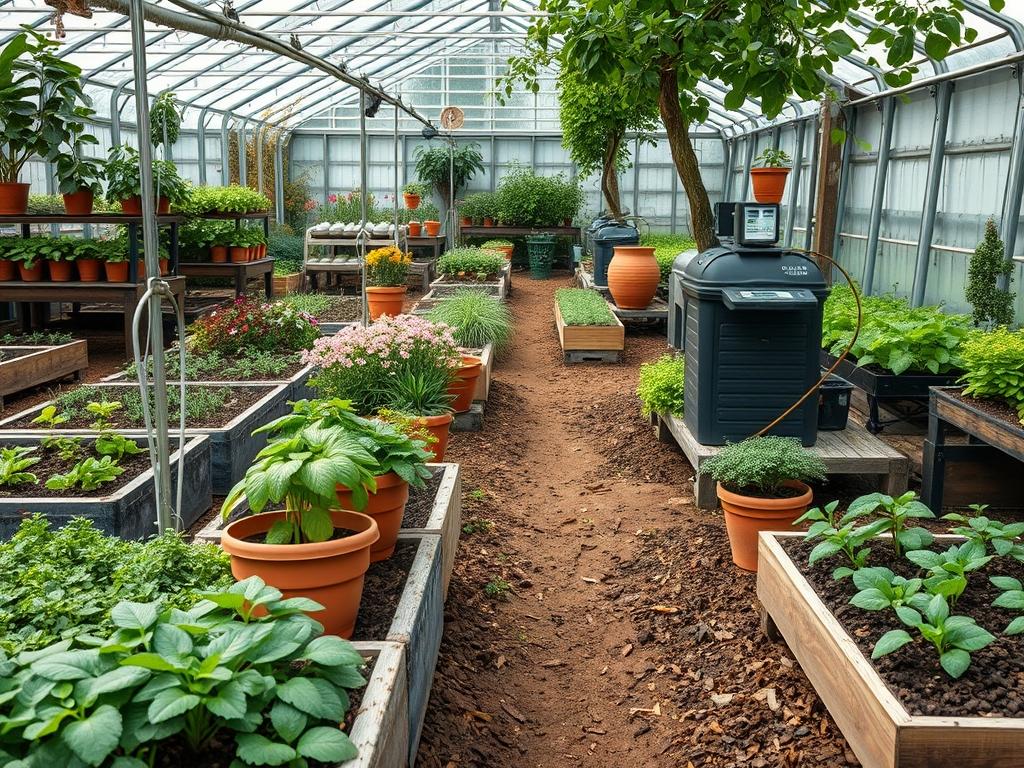
Modern landscaping requires a delicate balance between high-end aesthetic appeal and rigorous environmental stewardship. Property owners often struggle to maintain lush, vibrant greenery while simultaneously adhering to water conservation mandates or personal sustainability goals. The solution lies in a sophisticated approach known as Smart Garden Weather Logic, which integrates real-time atmospheric data with automated irrigation systems. This technology does more than just schedule water cycles; it analyzes humidity, soil moisture levels, and local precipitation forecasts to ensure that every drop is utilized effectively. By moving away from rigid, timer-based schedules, architects can design outdoor environments that thrive in fluctuating climates without wasting thousands of gallons of water annually.
Achieving superior curb appeal involves more than planting a few flower beds and mowing the lawn. It requires a comprehensive understanding of outdoor functionality, where the hardscape and softscape work in harmony. A well-designed landscape serves as an extension of the home, providing functional living spaces that increase property value. However, the foundation of this success is a robust infrastructure. Without proper drainage, precise grading, and intelligent water management, even the most expensive horticultural specimens will eventually fail. Smart Garden Weather Logic acts as the central nervous system for these external environments, allowing designers to push the boundaries of what is possible in various hardiness zones while maintaining a responsible ecological footprint.
Landscape Design Principles
Successful landscape architecture relies on the foundational concepts of symmetry and visual balance. When drafting a site plan, we often begin with focal points that draw the eye toward specific architectural features or natural vistas. A Specimen Tree or a custom-built Fire Pit can serve as an anchor for the rest of the design. We use elevation layers to create depth; this might involve installing Retaining Walls to manage sloped terrain or creating raised planter boxes that bring foliage closer to eye level. These layers do not just provide visual interest; they serve as a primary tool for managing water runoff and soil stability.
Irrigation planning must occur simultaneously with the aesthetic design phase, rather than as an afterthought. We implement a strategy called hydrozoning, which groups plants with similar water requirements together. By using Smart Garden Weather Logic, we can assign different watering profiles to each zone. For instance, a shaded area with Hostas will require a vastly different irrigation frequency than a south-facing slope covered in Creeping Thyme. This zoning prevents the common mistake of overwatering drought-tolerant species just to keep moisture-loving plants alive.
Walkways and paths provide the essential skeletal structure of the garden. Whether using Flagstone, Decomposed Granite, or Pavers, these transit lines should guide the visitor through the space while respecting the natural flow of the land. We ensure that all hardscape surfaces are slightly pitched, usually at a 1 percent slope, to direct water toward collection points or bioswales. This prevents pooling and protects the integrity of the home’s foundation. Visual balance is then achieved by softening these hard edges with varied textures, such as the feathery fronds of Ornamental Grasses against the solid density of Boxwood Hedges.
Plant and Material Selection
Selecting the right materials determines the long-term viability of the landscape. We prioritize native species that have evolved to handle local pest pressures and weather extremes. When combined with smart irrigation, these plants become nearly self-sustaining. The following table outlines several popular selections used in modern professional designs.
| Plant Type | Sun Exposure | Soil Needs | Water Demand | Growth Speed | Maintenance Level |
| :— | :— | :— | :— | :— | :— |
| Lavender | Full Sun | Well-drained sandy soil | Low | Medium | Low |
| Oakleaf Hydrangea | Partial Shade | Loamy, organic-rich soil | Moderate | Moderate | Medium |
| Dwarf Fountain Grass | Full Sun | Adaptable/any soil | Low | Fast | Low |
| Japanese Maple | Filtered Sun | Slightly acidic, moist | Moderate | Slow | High |
| Coneflower | Full Sun | Poor to average soil | Low | Fast | Low |
| Boxwood | Full to Part Sun | Well-drained, neutral | Moderate | Slow | Medium |
Implementation Strategy
The transition from a blueprint to a living garden requires a disciplined implementation strategy. The first and most critical step is Grading. We utilize a Laser Level to ensure the ground slopes away from all structures. If the site has significant elevation changes, we install French Drains or Catch Basins to prevent erosion during heavy storms. Once the sub-grade is established, we focus on soil health. We often incorporate Organic Compost into the top 6 inches of the soil to improve water retention and nutrient availability.
After the soil is prepared, we mark the layout for all major hardscape elements and large trees. Edging is then installed to create crisp, clean lines between turf areas and planting beds. We prefer Steel Edging or Aluminum Edging for its durability and minimalist profile. When the plants are finally in the ground, they are immediately covered with a layer of Double-shredded Hardwood Mulch. We maintain a 3 inch depth for mulch, which serves as a thermal blanket for the roots and significantly reduces the evaporation of water from the soil surface.
The final phase of implementation is the calibration of the Smart Garden Weather Logic controller. We install Soil Moisture Sensors at varying depths near the primary plant groupings. These sensors communicate with the central hub, which is connected to local weather stations via the internet. If the forecast calls for rain, the system automatically pauses the scheduled irrigation. If a heatwave is detected, the system calculates the increased evapotranspiration rate and adjusts the water output to prevent heat stress. This level of precision is what saves the property owner thousands of gallons of water over the course of a single growing season.
Common Landscaping Failures
The most frequent failure in residential landscaping is improper drainage. Many contractors focus solely on the surface appearance without considering where sub-surface water will travel. When water sits stagnant, it leads to soil compaction and root rot, effectively suffocating the plants. Another common error is root overcrowding. It is tempting to plant closely for immediate impact, but a professional knows to account for the mature width of each species. A White Oak planted too close to a Retaining Wall will eventually compromise the structural integrity of the masonry as its root system expands.
Irrigation inefficiency is perhaps the greatest hidden cost in traditional gardening. Over-reliance on “dumb” timers results in systems running during thunderstorms or in the middle of a windy afternoon when half the water evaporates before hitting the ground. Furthermore, failing to account for the soil type can lead to disaster. Clay soils hold water for long periods; therefore, they require shorter, more frequent “pulse” watering cycles to prevent runoff. Sandy soils, conversely, require deeper applications. Without Smart Garden Weather Logic to manage these nuances, the landscape is destined for high water bills and inconsistent plant health.
Seasonal Maintenance
Landscape management is a year-round commitment that changes with the seasons. In the Spring, the focus is on rejuvenation. We prune away any winter kill, apply a Pre-emergent Herbicide to prevent weed germination, and refresh the mulch layers. This is also the time to test the irrigation system for leaks or clogged nozzles. We verify that the Rain Sensor is clean and that the controller software is updated to the latest version.
Summer maintenance centers on stress management. We monitor the Smart Garden Weather Logic data to ensure the plants are receiving adequate deep-soaking sessions during peak heat. We avoid heavy pruning during this time, as the plants need their foliage to shade their own root zones. Autumn is the ideal season for planting new trees and dividing perennials like Daylilies. As temperatures drop, we adjust the irrigation logic to reflect the lower evaporation rates. Finally, in Winter, we focus on hardscape care and protection. We drain the irrigation pipes to prevent freezing and inspect the Mortar Joints on stone walls for any cracks caused by the freeze-thaw cycle.
Professional Landscaping FAQ
How does Smart Garden Weather Logic differ from a standard timer?
Standard timers run regardless of weather conditions. Smart logic uses real-time local data and soil moisture sensors to skip watering when rain is detected or when the soil remains sufficiently hydrated, directly preventing unnecessary water waste and plant disease.
What is the ideal mulch depth for water conservation?
Professional designers recommend a depth of 3 inches. This thickness is sufficient to suppress weed growth and retain soil moisture while still allowing oxygen to reach the root systems. Exceeding this depth can actually prevent water from reaching the soil.
Can I retrofit an existing irrigation system with smart technology?
Most traditional systems can be retrofitted. By replacing an old analog controller with a smart hub and adding a Wireless Weather Sensor, you can immediately begin saving water without having to dig up your entire yard or replace pipes.
Why is grading so important in a new landscape?
Grading prevents structural damage. By ensuring a 2 percent slope away from the home, you protect your foundation from water intrusion. Proper grading also ensures that water moves toward your plants or drainage systems rather than pooling on hardscapes.
Which plants are best for low-maintenance curb appeal?
Native perennials and ornamental grasses, such as Switchgrass or Purple Coneflower, offer the best results. These species are adapted to the local environment and require significantly less supplemental water and fertilizer compared to non-native ornamental varieties.