
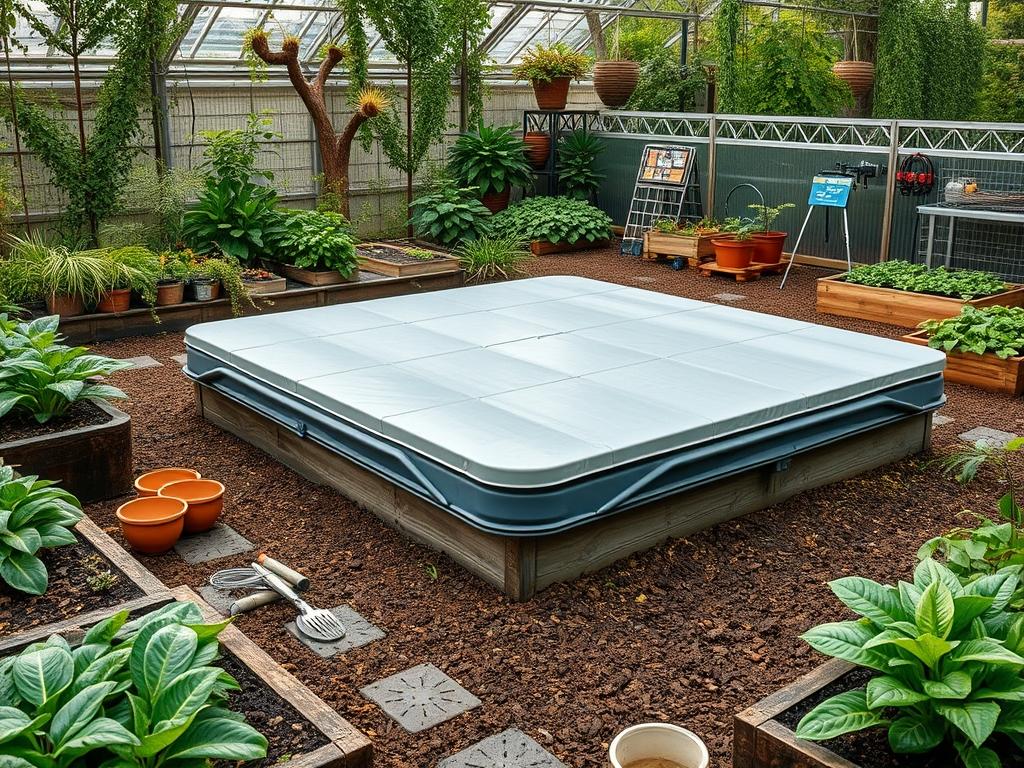
Creating a seamless transition between a luxury aquatic feature and the surrounding botanical environment requires a sophisticated understanding of resource management. In high-end residential design, the swimming pool often acts as the primary focal point, yet it is also the most significant source of water loss and energy consumption. As landscape architects, we view the pool not merely as a basin of water but as a dynamic thermal mass that interacts with the microclimate of the site. The introduction of Automated Pool Covers fundamentally alters this interaction. By sealing the water surface when the pool is not in use, these systems mitigate the effects of evaporation, which accounts for nearly 70 percent of water loss in outdoor installations. This conservation effort aligns with the broader goals of sustainable garden planning, ensuring that the landscape remains lush without placing an undue burden on local water utilities or private well systems.
The integration of automated technology into the landscape serves a dual purpose: it preserves the chemical balance of the water while simultaneously acting as a passive solar collector. When a dark-colored polycarbonate or reinforced vinyl cover is deployed, it absorbs radiant energy from the sun, transferring that heat to the water column below. This process reduces the reliance on mechanical heaters, which are often the largest energy consumers in a backyard setting. From a design perspective, the cover must be factored into the initial site plan. We consider the vault placement, the track alignment, and the way the finished stone coping interacts with the mechanical housing. A well-designed system disappears into the hardscape, maintaining the clean lines of a travertine or basalt deck while providing a critical barrier against heat loss during cool nights.
Landscape Design Principles
Successful landscape design relies on the principle of intentionality, where every element serves both aesthetic and functional goals. Symmetry is frequently employed in pool-centric designs to create a sense of order and tranquility. By aligning the central axis of the pool with the primary viewpoint from the home, we establish a visual connection that draws the eye outward. In these layouts, Automated Pool Covers are essential because they maintain a clean, uniform surface that does not disrupt the architectural rhythm of the space. When the cover is closed, the pool area appears as a tidy, reflective plane, preventing the cluttered look of debris-filled water or manual thermal blankets that often bunch at the corners.
Elevation layers play a vital role in defining the various zones of an outdoor environment. We often utilize retaining walls constructed from fieldstone or poured concrete to create tiered planting beds that overlook the water. These layers provide depth and allow for the installation of diverse plant species with varying heights. Visual balance is achieved by anchoring the corners of the pool area with structural evergreens or high-quality hardscape features like fire pits or pergolas. Irrigation planning must be meticulously mapped to ensure that moisture is delivered precisely to the root zones of these plants without overspraying onto the pool deck or the cover system. Excessive moisture on the cover mechanism can lead to premature wear or mineral buildup, so we prioritize drip irrigation systems over traditional pop-up spray heads near the water’s edge.
Plant and Material Selection
Selecting the right materials and flora is a balancing act between durability and beauty. Plants situated near the pool must be “pool-friendly,” meaning they produce minimal leaf litter and possess non-invasive root systems that will not compromise the pool shell or the underground housing of the automated cover.
| Plant Type | Sun Exposure | Soil Needs | Water Demand | Growth Speed | Maintenance Level |
| :— | :— | :— | :— | :— | :— |
| Lavandula angustifolia | Full Sun | Well-drained, sandy | Low | Medium | Low |
| Buxus sempervirens | Full to Part Sun | Loamy, moist | Moderate | Slow | Medium |
| Miscanthus sinensis | Full Sun | Versatile, moist | Moderate | Fast | Low |
| Trachelospermum jasminoides | Part Shade | Organic-rich | Moderate | Medium | Medium |
| Agave attenuata | Full Sun | Rocky, dry | Very Low | Slow | Very Low |
| Carpinus betulus | Full Sun | Heavy clay/Loam | Moderate | Medium | High (Pruning) |
Implementation Strategy
The implementation of a comprehensive backyard layout begins with a detailed site analysis and topographic survey. Proper grading is the most critical step in this process; the land must be shaped to direct surface runoff away from the pool and the automated pool cover vault. If the grade slopes toward the water, heavy rains can wash mulch and silt into the mechanism, leading to mechanical failure. We typically specify a 2 percent slope away from the pool edge toward a dedicated French drain or bioswale. Once the rough grading is complete, the installation of hardscaping begins. This includes the setting of subgrade compaction layers and the laying of pavers or stone slabs.
After the structural elements are in place, we focus on the edging and soil preparation. Using steel edging or paved borders creates a clean separation between the lawn and the planting beds, preventing grass from encroaching on the pool deck. We recommend a 3-inch layer of hardwood mulch or decorative gravel to suppress weeds and retain soil moisture. In areas immediately adjacent to the pool, gravel is often preferred over light bark mulch, as it is less likely to be blown into the water or caught in the tracks of the automated cover. Finally, the irrigation system is tuned to the specific needs of each planting zone, ensuring that the water-saving benefits of the pool cover are matched by an efficient delivery system for the rest of the garden.
Common Landscaping Failures
One of the most frequent mistakes in residential landscaping is the failure to account for mature plant size. Root overcrowding occurs when large trees, such as certain species of Oak or Maple, are planted too close to the pool or its mechanical components. Over time, these roots can exert immense pressure on the pool walls or the buried electrical conduits for the cover motor. Additionally, improper spacing leads to a lack of airflow, which encourages fungal growth and pest infestations in the garden beds.
Another common failure point is poor drainage design. When water is allowed to pool against the foundation of retaining walls or the edges of the pool deck, it causes soil compaction and can lead to structural shifting. Inefficient irrigation is also a major culprit; many homeowners overwater their “water-wise” plants, leading to root rot and unnecessary waste. Finally, failing to consider the sensitivity of plants to pool chemicals can result in “salt burn” or chlorosis in the surrounding greenery. We always suggest selecting salt-tolerant species if the pool uses a saltwater chlorination system, as splashing is inevitable during active use.
Seasonal Maintenance
Landscape management is a year-round commitment that changes with the seasons. In the spring, the focus is on reactivation. This involves cleaning the automated pool cover skin with a mild soap, checking the tracks for debris, and applying a pre-emergent herbicide to the garden beds. This is also the time to prune any winter-damaged branches and refresh the mulch layers to prepare for the summer heat.
During the summer months, the primary goal is moisture management. The pool cover should remain closed whenever the pool is not in use to maximize water conservation during peak evaporation periods. Irrigation schedules should be adjusted for the higher temperatures, ideally running in the early morning hours to minimize loss to wind and heat. As autumn arrives, the challenge shifts to leaf management. It is vital to blow or sweep deciduous leaves off the pool cover before retracting it, as organic matter trapped in the vault can rot and damage the mechanism. Finally, in winter, the landscape should be prepared for dormancy. In colder climates, this means winterizing the irrigation lines and ensuring the pool cover is clear of heavy snow loads, which can strain the aluminum support tracks and the fabric itself.
Professional Landscaping FAQ
How much water do automated pool covers actually save?
A properly fitted cover can reduce water loss through evaporation by 90 percent. This equates to thousands of gallons annually, depending on your local climate, wind exposure, and the total surface area of the swimming pool.
Will a pool cover affect my landscape’s ambient temperature?
Yes, it reduces the “evaporative cooling” effect. By trapping heat within the water, the pool acts as a thermal mass that can slightly stabilize temperatures in the immediate vicinity, which is beneficial for nearby frost-sensitive plants.
What is the best mulch to use near pool cover tracks?
Heavy materials like pea gravel, river rock, or large-nugget bark are ideal. Light, shredded mulches can easily migrate into the cover tracks or the water, causing mechanical obstructions and requiring frequent cleaning of the filtration system.
Can I plant large trees near an automated pool system?
It is generally discouraged. Falling leaves increase the maintenance load on the cover, and aggressive root systems can damage the underground mechanical vault. Maintain a minimum distance of fifteen feet for large canopy trees.
Does a pool cover reduce the need for garden irrigation?
While it does not directly water your plants, it significantly lowers the overall water footprint of your property. This allows for more flexibility in your total water budget, potentially supporting a more diverse and lush botanical collection.