
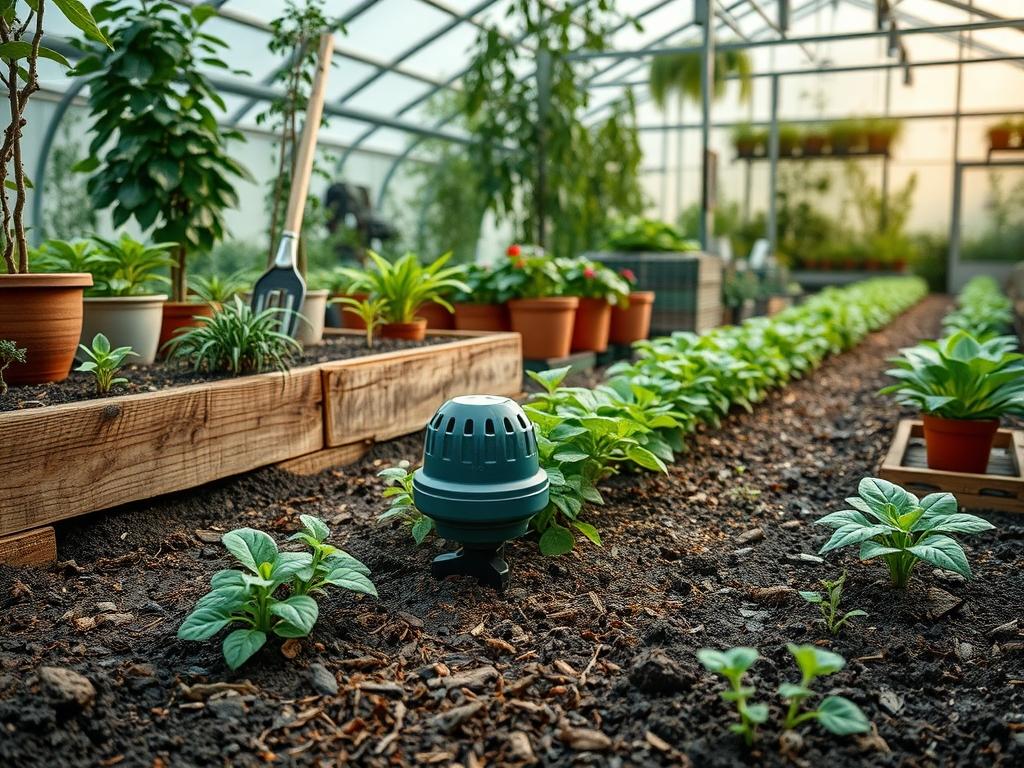
Achieving a pristine landscape requires a sophisticated balance of biological understanding and technical precision. For many homeowners and estate managers, the installation of a robotic mowing system represents the pinnacle of modern lawn care, yet the efficiency of these machines is often compromised by human interference with their factory settings. One of the most critical components of these units is the moisture detection system. When you consider the long term health of your turf and the structural integrity of your soil, you must realize why you should never disable your Smart Mower Rain Sensors. These sensors are not merely meant to protect the electronics of the machine; they are designed to protect the very foundation of your outdoor environment. Mowing during a saturated state leads to immediate turf stress and long term aesthetic degradation that can take months of professional intervention to reverse.
The architectural appeal of a commercial or residential property relies heavily on the texture and uniform color of the grass. When a mower operates in the rain, the Steel Blades do not cut the blades of grass cleanly. Instead, the high moisture content causes the grass to bend or tear, leaving jagged edges that turn brown and invite fungal pathogens. Furthermore, the weight of the mower, while seemingly negligible, exerts significant pressure on wet soil. This leads to soil compaction, which collapses the micro passages that allow oxygen and nutrients to reach the root zone. A landscape designed for high curb appeal cannot tolerate the ruts and thinning patches caused by wet mowing cycles. By respecting the parameters of Smart Mower Rain Sensors, you ensure that the lawn remains a lush, resilient carpet rather than a muddy, stressed ecosystem.
Landscape Design Principles
A successful landscape design is rooted in the concepts of symmetry and visual balance, ensuring that every element serves a functional and aesthetic purpose. We begin with the focal point, perhaps a Stone Water Feature or a specimen tree like a Japanese Maple, and build outward. This layering creates a sense of depth and elevation that guides the eye through the property. However, this visual harmony is easily disrupted if the grounding element, the lawn, is poorly maintained. Irrigation planning must be integrated into the initial design phase to ensure that water moves away from the house and toward designated Catch Basins or Rain Gardens.
Symmetry is often achieved through the use of formal hedges and straight walkways, which define the different “rooms” of an outdoor living space. When mapping out these zones, we consider the transition between hardscaping and softscaping. The use of Natural Flagstone for paths provides a durable surface that contrasts beautifully with the softness of Fine Fescue. Every design must account for the mechanical needs of maintenance equipment. This includes installing Steel Edging that sits at the correct grade to allow a smart mower to trim the edges without damaging its Low Profile Blades. When the landscape is planned with these technical requirements in mind, the result is a seamless environment where technology and nature coexist.
Plant and Material Selection
The following table outlines the specific requirements for common plants used in professional landscape designs. Choosing the right species ensures longevity and reduces the need for constant chemical intervention.
| Plant Type | Sun Exposure | Soil Needs | Water Demand | Growth Speed | Maintenance Level |
| :— | :— | :— | :— | :— | :— |
| Tall Fescue | Full Sun to Shade | Well-Drained | Moderate | Fast | Moderate |
| Emerald Green Arborvitae | Full Sun | Loamy | Moderate | Medium | Low |
| Dwarf English Boxwood | Partial Shade | Rich, Moist | Low | Slow | Moderate |
| Purple Coneflower | Full Sun | Sandy/Lean | Very Low | Fast | Low |
| Hostas | Deep Shade | Humus Rich | Moderate | Medium | Low |
| Creeping Phlox | Full Sun | Gritty/Alkaline | Low | Medium | Low |
Implementation Strategy
The transition from a design on paper to a physical landscape requires a disciplined implementation strategy. The first step in any major project is site grading. We use a Laser Level to ensure a 2 percent slope away from all foundations. This prevents water from pooling and protects the home from hydrostatic pressure. Once the grade is established, we focus on the installation of the drainage infrastructure. Perforated PVC Pipes are laid in trenches and covered with Crushed Stone to create effective French Drains. This system is essential for maintaining a dry enough surface for automated mowing equipment to function properly.
Next, we establish the lawn and garden boundaries. We install Aluminum Edging or Paver Borders to create a physical barrier between the turf and the planting beds. This allows the smart mower to follow a predefined perimeter without encroaching on delicate Perennials. After the irrigation lines are tested, we apply a 3 Inch Layer of Double-Shredded Hardwood Mulch to the garden beds. This mulch retains moisture for the plants while suppressing weed growth. The final step is the calibration of the Smart Mower Rain Sensors. We set the sensitivity levels based on the local climate and the specific drainage capacity of the soil. This ensures the mower returns to its Charging Station as soon as the first signs of precipitation appear, preserving the integrity of the freshly installed sod.
Common Landscaping Failures
One of the most frequent errors I see in the field is improper soil preparation. Homeowners often install high-end turf over compacted “construction soil” which lacks the necessary organic matter for deep root penetration. Without a Power Aerator to break up the surface, the lawn will struggle to absorb water, leading to runoff and wasted resources. Another common failure involves the transition zones between different materials. If a Retaining Wall is built without proper backfilling and Geotextile Fabric, the soil will eventually wash through the joints, causing the wall to lean and the lawn above it to collapse.
The most avoidable failure, however, involves the misuse of technology. Disabling Smart Mower Rain Sensors is a primary cause of mechanical and botanical damage. When a mower operates on wet grass, the clippings become heavy and sticky. They adhere to the underside of the Mower Deck, clogging the discharge areas and forcing the motor to work harder. This not only shortens the lifespan of the machine but also results in “clumping” on the lawn. These clumps of wet grass sit on top of the healthy turf, blocking sunlight and creating a warm, damp environment that is perfect for the growth of Brown Patch and other harmful fungi. Following the factory recommendations for sensor use is the simplest way to avoid these costly decorative and structural setbacks.
Seasonal Maintenance
Landscape management is a year round commitment that changes with the cycles of the environment. In the spring, the focus is on revitalizing the soil. We apply a Pre-emergent Herbicide specifically formulated to target Crabgrass before the soil temperature reaches 55 degrees Fahrenheit. This is also the time to inspect the irrigation system for any leaks or clogged Nozzles that may have frozen over the winter. As the lawn enters its period of most rapid growth, we calibrate the smart mower to its highest setting to promote deep root development.
Summer maintenance is dominated by water management and heat stress mitigation. We adjust the Smart Mower Rain Sensors to be slightly more sensitive during periods of high humidity. During these months, it is vital to mow only when the grass is dry to prevent the spread of disease. In the autumn, we pivot to aeration and overseeding. Using a Core Aerator, we remove small plugs of soil to alleviate the compaction that occurred during the summer. This provides a clear path for Starter Fertilizer to reach the roots. In the winter, we winterize all equipment. This includes cleaning the Mower Blades, removing the battery, and ensuring that all Outdoor Faucets are drained and covered to prevent bursting.
Professional Landscaping FAQ
Why should I keep my rain sensors active?
Keeping sensors active prevents the mower from damaging the turf during wet conditions. Mowing wet grass causes soil compaction, tearing of the grass blades, and the spread of fungal diseases, which compromises the aesthetic and health of the entire landscape.
How does wet mowing affect the mower equipment?
Wet grass clippings are dense and sticky. They accumulate under the Cutting Deck, which increases the strain on the motor and dulls the blades. Over time, this leads to expensive mechanical repairs and reduced battery efficiency for your robotic unit.
Does disabling sensors save time on lawn care?
It actually increases your workload. While the mower runs during rain, the resulting ruts, clumps, and diseased patches require manual intervention. You will spend more time applying Fungicides and repairing soil than you saved by ignoring the weather.
What is the best way to handle persistent wet spots?
Persistent wet spots indicate a drainage failure, not a mower sensor issue. You should install a French Drain or a Dry Well to move water away. Adjusting the sensor does not fix the underlying problem of poor site grading.
Can I adjust the sensitivity of smart mower sensors?
Most professional grade mowers allow you to calibrate sensor sensitivity. You can set the machine to resume work shortly after light rain or wait until the ground is completely dry, providing flexibility while still protecting your expensive landscape investment.