
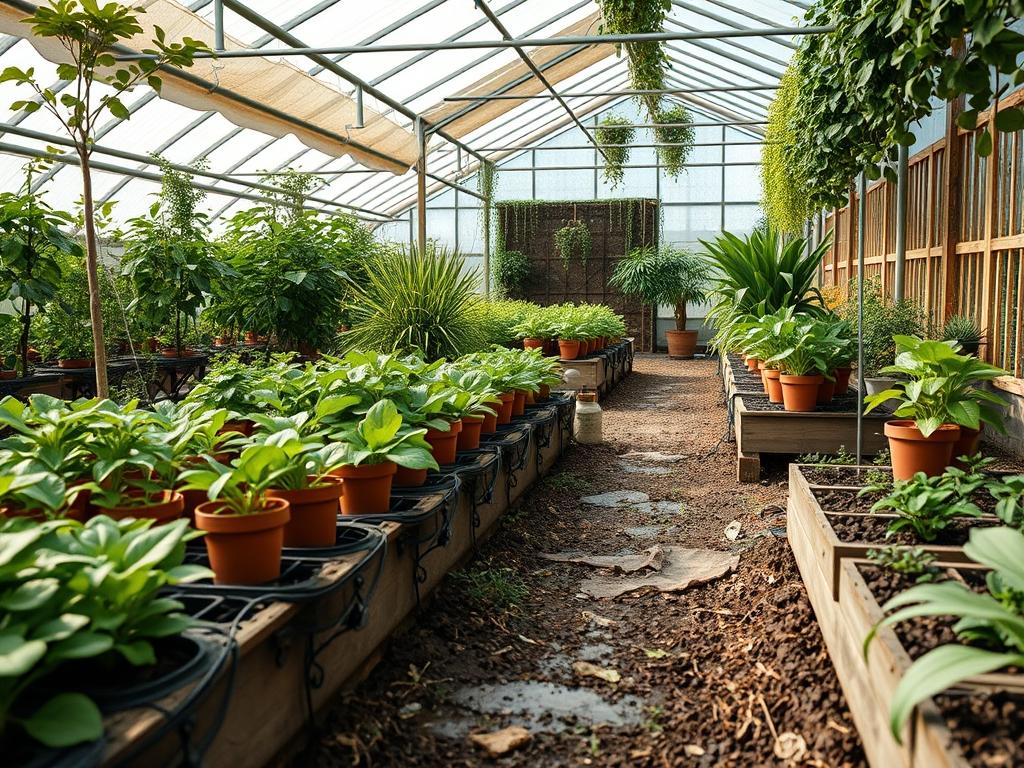
Managing the microclimate within a glass or polycarbonate structure presents a unique intersection of architectural beauty and horticultural precision. When we design high-end outdoor environments, the greenhouse often serves as a primary focal point, yet its functionality depends entirely on light management. Uncontrolled solar radiation can quickly transform a glass house into a heat trap, stressing delicate specimens and increasing the burden on your cooling systems. Smart Greenhouse Shading offers a sophisticated solution by automating the response to shifting light intensity, ensuring that your plants receive optimal photosynthetically active radiation without the risk of thermal shock. This technology integrates seamlessly into the modern landscape, protecting your investment while maintaining the sleek aesthetic of a professionally curated estate.
The installation of a sensor-based shading system requires more than just mechanical hardware; it demands a deep understanding of site orientation and solar paths. As the sun moves across the horizon, shadows from nearby structures or mature trees can create uneven light distribution. A smart system utilizes a Light Sensor or Lux Meter to relay real-time data to a central controller, which then triggers a Motorized Roller or External Shading Screen. This automation removes the guesswork from garden management, allowing the landscape to respond dynamically to cloud cover or the peak intensity of the midday sun. From a design perspective, these systems can be hidden within the architectural lines of the greenhouse, preserving the curb appeal and ensuring the structure remains an elegant component of the broader garden layout.
Landscape Design Principles
When integrating a greenhouse into a comprehensive landscape plan, symmetry and visual balance are paramount. We often position the structure on a North South axis to maximize light exposure, but this placement requires a robust plan for heat mitigation. To create a cohesive environment, the greenhouse should be flanked by elevation layers that transition from the rigid lines of the glass to the soft textures of the surrounding flora. Using Retaining Walls made of natural stone can help manage the grading of the site, providing a level foundation for the greenhouse while creating pockets for ornamental plantings.
Walkways should serve as both functional access points and visual guides that lead the eye toward the structure. We typically use Flagstone or Permeable Pavers set in a bed of Crushed Granite to ensure durability and proper drainage. Irrigation planning must also be synchronized with the greenhouse position; overflow from the roof should be diverted via a French Drain or a specialized Gutter System to prevent soil erosion at the base. By layering height through the use of tall shrubs or mid sized deciduous trees at a safe distance, you create a sense of enclosure that anchors the greenhouse within the garden without obstructing the essential light needed for the Light Sensors to function accurately.
Plant and Material Selection
Selecting the right plant palette for both the interior and exterior of the greenhouse environment is critical for maintaining ecological balance. The following table provides a guide for species that complement a high tech greenhouse setting.
| Plant Type | Sun Exposure | Soil Needs | Water Demand | Growth Speed | Maintenance Level |
| :— | :— | :— | :— | :— | :— |
| Solanum lycopersicum | Full Sun | Rich Loam | High | Fast | High |
| Lavandula angustifolia | Full Sun | Well Drained | Low | Moderate | Low |
| Buxus sempervirens | Partial Shade | Loamy | Moderate | Slow | Moderate |
| Capsicum annuum | Full Sun | Nutrient Rich | High | Moderate | High |
| Festuca glauca | Full Sun | Sandy/Dry | Low | Moderate | Low |
| Trachelospermum jasminoides | Sun to Part Shade | Moist/Well Drained | Moderate | Fast | Moderate |
Implementation Strategy
The process begins with precise grading of the backyard or garden site. You must ensure the area surrounding the greenhouse footprint is sloped at a 2 percent grade away from the foundation to facilitate drainage. Once the site is prepared, install the Hardscaping elements, such as a Concrete Pad or Gravel Base, ensuring the surface is perfectly level. Measuring the interior dimensions of the greenhouse frame is the next step for Smart Greenhouse Shading. You will need to mount Curtain Tracks or Steel Support Cables along the interior rafters.
Install the 24V DC Motor at the highest point of the ridge beam for an interior system, or on the exterior for a retractable thermal blanket. The Light Sensor should be placed in a location that receives unobstructed sunlight, typically on the roof peak, away from the shadows of chimneys or overhanging branches. Run your wiring through UV Resistant PVC Conduit to protect the electrical components from moisture and degradation. Once the hardware is secured, attach the Aluminet Shading Cloth, which is a highly reflective material designed to block heat while allowing light diffusion. Connect the sensor to the WiFi Gateway or Logic Controller, designating the specific lux thresholds that will trigger the motor to extend or retract the fabric. Finally, apply a 3 inch layer of Cedar Mulch around the exterior base of the greenhouse to regulate soil temperature and provide a clean, finished look to the transition zone between the structure and the lawn.
Common Landscaping Failures
One of the most frequent mistakes in greenhouse management is poor drainage planning around the perimeter. When water pools near the foundation, it can lead to humidity spikes inside the structure and potential damage to the electronic components of your shading system. Another critical error is root overcrowding. Planting fast growing trees like Salix or Acer too close to the greenhouse can cause foundation heave and eventually block the sensors that control the shading.
Improper spacing of internal plants also leads to airflow stagnation, which encourages fungal growth despite having a shading system in place. Soil compaction is another silent killer of landscape health. During the construction of the greenhouse, heavy machinery often packs the earth so tightly that oxygen cannot reach the roots of surrounding Native Plants. We always recommend tilling the surrounding soil and incorporating Organic Compost to restore porosity before the final planting phase. Finally, irrigation inefficiencies occur when owners fail to separate the greenhouse water lines from the lawn sprinklers, leading to either underwatered crops or overwatered ornamentals.
Seasonal Maintenance
Spring is the time for a full system audit. Clean the Light Sensors with a soft, damp cloth to remove pollen and dust that can skew light readings. Check the tension on all Support Cables and lubricate the Motorized Roller bearings. This is also the ideal window to refresh the Mulch and inspect the Irrigation Emitters for clogs. During the summer, monitor the shading system daily to ensure it is reacting correctly to heat waves. You may need to adjust the lux threshold in your Smart App to account for the increased intensity of the July sun.
Autumn requires a focus on debris removal. Clear leaves from the greenhouse gutters and ensures that the shading fabric is clean before the winter dormancy. If you live in a region with heavy snowfall, consider retracting the shade cloth permanently for the season to avoid weight stress on the motors. In winter, the priority shifts to the exterior. Inspect Retaining Walls for cracks caused by freeze-thaw cycles and ensure that drainage paths remain clear of ice. If you have an automated heating system linked to your shading, verify that the thermal blankets are deploying at night to trap heat, which can significantly reduce energy costs during the coldest months.
Professional Landscaping FAQ
How does smart shading improve plant health?
By maintaining consistent light levels, Smart Greenhouse Shading prevents leaf scorch and reduces transpiration stress. It allows plants to maintain a steady metabolic rate, leading to higher yields and more vibrant foliage throughout the growing season.
What is the best material for greenhouse shading?
Aluminet is widely considered the gold standard. Its reflective properties block infrared radiation while diffusing the remaining light. This prevents hot spots and creates an even growing environment that traditional dark green plastic mesh cannot match.
Can I integrate shading with my existing smart home?
Most modern Motorized Systems utilize Zigbee or Z-Wave protocols. This allows them to communicate with hubs like Alexa or Google Home, enabling you to coordinate shading with your home cooling or security routines seamlessly.
Where should I place the light sensor for accuracy?
The Light Sensor should be mounted at the highest point of the greenhouse roof, ideally facing South. It must remain clear of any architectural shadows or tree limbs to ensure the readings reflect the true solar intensity.
Does automated shading require a lot of electricity?
No, these systems are highly efficient. The DC Motors only draw significant power during the few seconds they are moving the fabric. Most controllers use negligible standby power, and some systems can even be powered by small Solar Panels.