
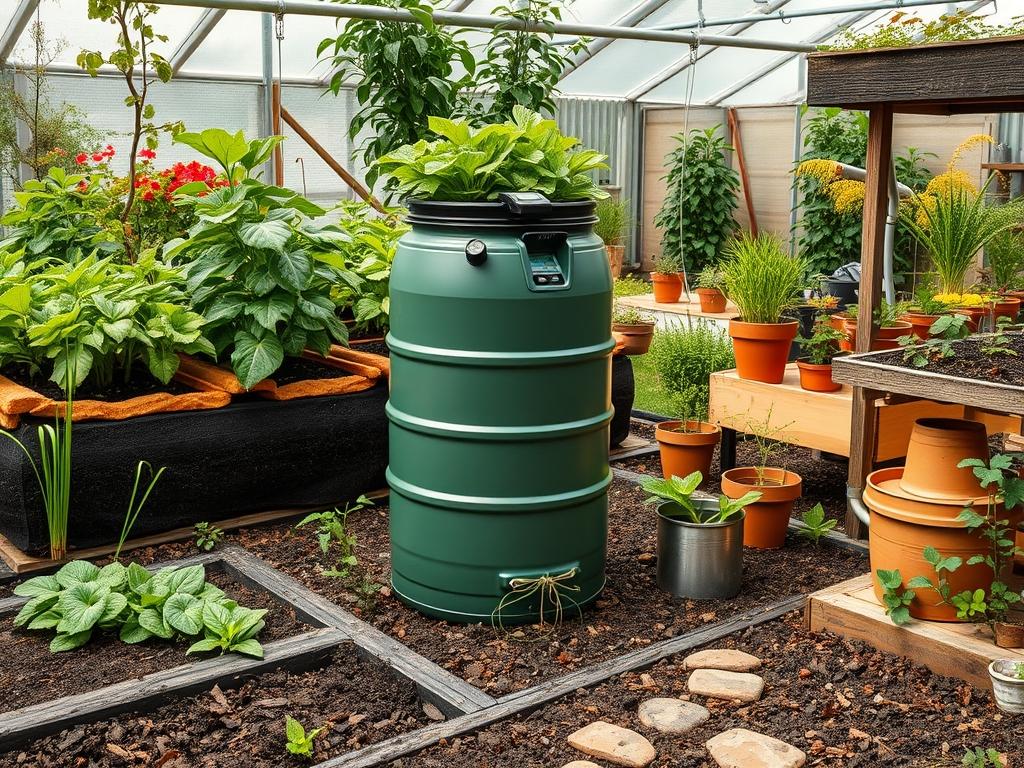
For many homeowners, the concept of a rain barrel evokes images of unsightly blue plastic drums or weathered wooden casks that clash with a carefully curated landscape. However, the modern intersection of water conservation and luxury outdoor design has birthed a new era of high-tech rain barrels. These systems do more than catch runoff from a downspout; they serve as sophisticated hydraulic hubs that integrate seamlessly into the broader ecosystem of a residential property. As a landscape architect, I see water management as the foundational element of any successful project. In climates where precipitation is erratic, relying solely on municipal water is both ecologically unsound and financially draining. By incorporating advanced storage with integrated pressure-sensitive pumps, we can transform a utilitarian necessity into a focal point that enhances curb appeal while ensuring the long-term health of our native plants and turfgrass.
The primary challenge in modern yard planning is achieving a balance between high-end aesthetics and rugged functionality. A well-placed water storage unit should be invisible to the casual observer or so beautifully integrated that it appears to be a deliberate architectural feature. When we discuss outdoor living, we are essentially talking about the management of resources. High-tech rain barrels allow for the precise delivery of harvested water to specific zones through drip irrigation lines, bypassing the manual labor associated with traditional gravity-fed systems. This transition from passive storage to active irrigation management is a game-changer for property owners who demand a lush, vibrant garden regardless of regional water restrictions.
Landscape Design Principles
Successful landscape architecture relies on a series of core principles that guide the placement of every element from a retaining wall to a single perennial. When integrating high-tech rain barrels, symmetry and visual balance are paramount. For instance, placing identical storage units at opposite corners of a flagstone patio can create a sense of order. If the units are designed with a decorative stone finish or a sleek metallic facade, they can act as pedestals for urns or seasonal planters. This converts a storage device into a multifunctional design element.
Elevation is another critical factor. We rarely design on a perfectly level plane. Utilizing the natural topography of the site allows us to hide large storage tanks behind berms or within the lower tiers of a multi-level garden. By placing the high-tech rain barrel at a slightly higher elevation than the primary garden beds, you reduce the workload on the internal pump, maximizing energy efficiency. Visual layers also play a role; we use foreground plantings like Creeping Phlox to soften the base of the tank, while taller shrubs like Boxwood or Privet can serve as a living screen for larger installations.
Irrigation planning must be holistic rather than reactionary. Instead of simply letting a barrel overflow during a heavy storm, we design “overflow pathways” that lead to a dry creek bed or a rain garden. This prevents the soil around the house foundation from becoming saturated, which is a common cause of basement dampness and plant root rot. By syncing the barrel’s smart controller with a local weather station, the system can automatically purge excess water into a French drain before a major storm event, ensuring there is always capacity to capture the newest, cleanest rainfall.
Plant and Material Selection
Choosing the right materials and flora is essential for a cohesive environment. The following table provides a guide for plants that thrive near irrigation hubs or in rain gardens designed to handle overflow.
| Plant Type | Sun Exposure | Soil Needs | Water Demand | Growth Speed | Maintenance Level |
| :— | :— | :— | :— | :— | :— |
| Switchgrass | Full Sun | Well-drained | Moderate | Fast | Low |
| Blue Flag Iris | Full to Partial | Moist/Clay | High | Moderate | Medium |
| Oakleaf Hydrangea | Partial Shade | Rich/Loamy | Moderate | Moderate | Low |
| Little Bluestem | Full Sun | Sandy/Poor | Low | Moderate | Low |
| River Birch | Full Sun | Wet/Acidic | High | Fast | Medium |
| Stonecrop Sedum | Full Sun | Well-drained | Low | Slow | Low |
| Serviceberry | Partial Sun | Moist/Loamy | Moderate | Slow | Low |
Implementation Strategy
The successful installation of high-tech rain barrels begins with site preparation. You cannot simply place a 50-gallon or 100-gallon tank on bare earth. When full, water weighs approximately 8.34 pounds per gallon, meaning a large barrel can exceed 800 pounds. We start by excavating a area roughly 6 inches deep and filling it with a compacted Type 2 road base or crushed limestone. This creates a stable, level platform that prevents the barrel from leaning or sinking over time, which would otherwise stress the plumbing connections.
Once the base is set, we address the grading of the surrounding area. The ground must slope away from the home at a minimum of a 2-percent grade. Around the base of the barrel, we install steel edging to provide a sharp, clean line between the mechanical zone and the organic garden beds. Inside this bordered area, a 3-inch layer of hardwood mulch or river rock helps with moisture retention and suppresses weeds.
The integration of the submersible pump is the next step. High-tech units typically feature a float switch that prevents the motor from running when water levels are low. We hardwire these systems into an outdoor GFCI outlet or, for a more sustainable approach, connect them to a small solar array. The output is then connected to a manifold that splits the water between different zones—perhaps one line for the vegetable garden and another for a series of hanging baskets.
Common Landscaping Failures
The most frequent mistake I see in DIY water storage is a failure to manage the “first flush.” The initial runoff from a roof contains bird droppings, roof shingles, and organic debris. Without a first-flush diverter, this silt enters the barrel, where it can clog the pump intake or the delicate emitters in a drip irrigation system. Clean water is the lifeblood of a high-tech system, and skimping on filtration will lead to mechanical failure within a single season.
Another common error is root overcrowding near the storage site. Homeowners often plant aggressive species like Willow or Bamboo too close to the tank or its underground lines. These roots are naturally attracted to the high moisture levels and can easily pierce through poly-tubing or even heave a heavy storage tank off its level base. Furthermore, soil compaction is a silent killer for plants. If there is heavy foot traffic around the rain barrel for maintenance, we must install steppers or a gravel path to protect the soil structure and ensure air can reach the roots of nearby vegetation.
Seasonal Maintenance
Landscape management is a year-round commitment. In the spring, your focus should be on the integrity of the system. Check all mesh screens for tears and clear any winter debris from the gutters. This is also the best time to prime the integrated pump and check for leaks in the poly-tubing that may have been caused by frost heave.
During the peak of summer, monitor the moisture sensors. If your high-tech rain barrel is connected to a smart app, check the data to see how much water is being conserved vs. consumed. If the barrel is staying empty, you may need to adjust your irrigation schedule or add more storage capacity. Autumn requires a diligent cleaning schedule. Falling leaves can quickly overwhelm a diverter, causing water to back up into the downspout.
Winter is the most critical period for high-tech systems in colder climates. Water expands when it freezes, which can crack a plastic barrel or shatter an internal ceramic pump seal. Before the first hard freeze, the system should be completely drained. I recommend disconnecting the pump and storing it in a garage or shed. Leave the barrel valves open or install a winterization bypass that allows the downspout to function normally without sending water into the storage unit.
Professional Landscaping FAQ
Can I use rainwater for my vegetable garden?
Yes, rainwater is generally safer for plants than tap water because it lacks chlorine and fluoride. However, ensure you have a first-flush diverter installed to remove any initial contaminants or debris from your roof’s surface before storage.
How much pressure do high-tech rain barrel pumps provide?
Most integrated submersible pumps provide between 15 and 40 PSI. This is sufficient for standard garden hoses and most drip irrigation systems, though it may not be enough for high-volume, pop-up oscillating lawn sprinklers.
Will a rain barrel attract mosquitoes?
Not if it is properly sealed. High-tech models use fine stainless steel mesh screens over all openings. These screens allow water in while preventing mosquitoes from entering to lay eggs. Ensure the lid remains tightly fitted at all times.
What happens when the rain barrel is full?
A properly designed system includes an automatic overflow valve. This redirects excess water back into the downspout or into a designated drainage pipe that leads water away from the house foundation to a safe discharge area.
How long does the water stay fresh?
Rainwater can stay fresh for several weeks if kept in a dark, cool environment. High-tech barrels are often made of UV-opaque materials to prevent algae growth. For longer storage, some systems allow for minor aeration to maintain oxygen levels.