
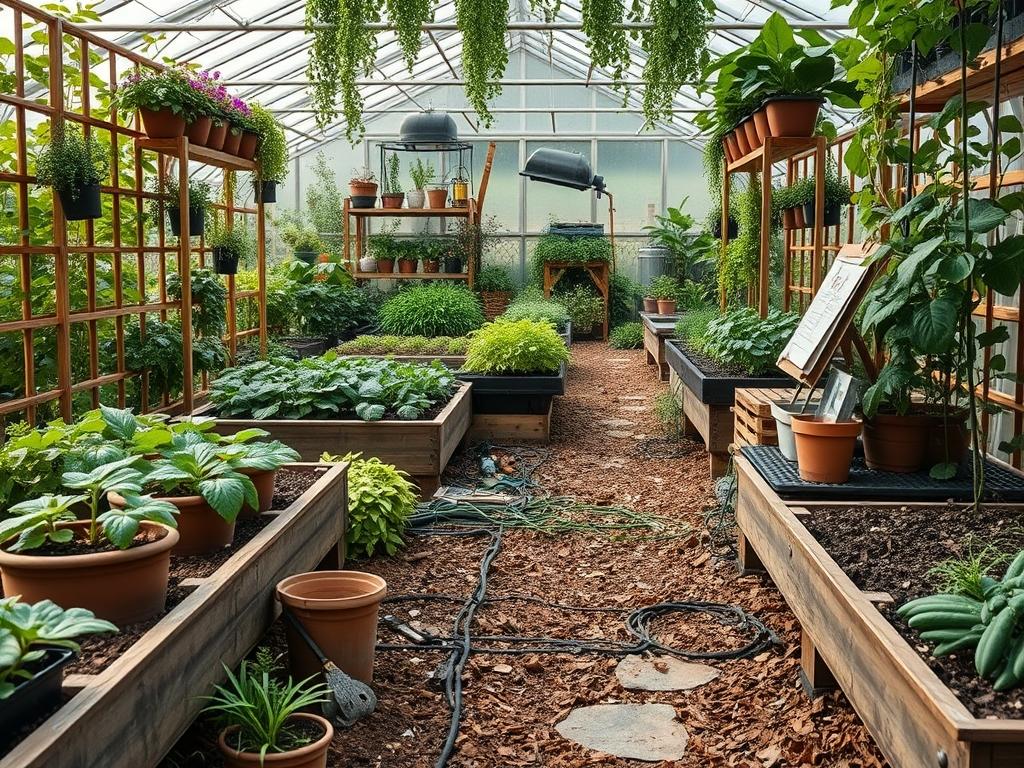
Modern residential landscaping has evolved beyond the simple placement of shrubs and the mowing of turf. As urbanization increases and available ground space shrinks, property owners are turning toward vertical solutions to enhance privacy, regulate microclimates, and boost curb appeal. The integration of Smart Trellis Systems represents the pinnacle of this shift, combining traditional horticultural beauty with advanced automation. This technological leap allows for the precise management of climbing plants while ensuring that environmental resources like water and nutrients are used with maximum efficiency. The primary challenge for any landscape architect is balancing these mechanical components with the organic flow of the environment. A successful installation does not just support a vine; it interacts with the local climate, responds to soil moisture levels, and adjusts its physical orientation to optimize sun exposure.
Achieving high level functionality begins with a deep understanding of the outdoor environment. Wind patterns, the angle of the sun at different times of the year, and the existing soil composition all dictate the success of vertical growth. In a high value landscape, the trellis serves as more than a support; it is a structural element that provides three dimensional depth to a flat yard. By using Smart Trellis Systems, designers can mitigate common issues such as leaf scorch or mold growth through automated tension sensors and integrated misting systems. This level of control allows for the cultivation of delicate or non-native species that would otherwise struggle in a fluctuating local climate. Furthermore, these systems provide a structured way to manage the weight of heavy woody vines, preventing damage to the home facade or the landscape structure itself.
Landscape Design Principles
Effective design relies on the core concepts of symmetry and focal points to guide the eye through the space. When incorporating vertical automation, the placement of the trellis should correspond with the internal views from the home, creating a seamless transition between indoor and outdoor living. Elevation layers are crucial here. By layering low lying groundcovers, mid level shrubs, and high climbing vines on Smart Trellis Systems, we create a vertical forest effect that maximizes oxygen production and cooling. This technique, often referred to as vertical layering, requires careful coordination with Irrigation Planning to ensure that water pressure remains consistent even at the highest points of the structure.
Symmetry is often achieved by flanking windows or entryways with mirrored trellis units. However, visual balance does not always mean exact duplication. A large, automated green wall on one side of a courtyard can be balanced by a heavy Stone Retaining Wall or a dense cluster of Boxwood on the opposite side. The use of Walkways made of Flagstone or Permeable Pavers provides the necessary access for maintenance while defining the boundaries of the growth zone. These pathways should be designed with a slight Grade of 2 percent to ensure that water moves away from the foundation of the trellis and toward proper Drainage Swales.
Integrated irrigation is the heartbeat of the modern trellis. By using Soil Moisture Sensors buried at the root zone, the system can trigger Drip Emitters only when necessary. This saves water and prevents the root rot often associated with manual overwatering. The system should also account for the Visual Texture of the structure. Even when the plants are dormant during winter, the high quality materials of the trellis, such as Powder-Coated Aluminum or Marine-Grade Stainless Steel, should provide a modern, industrial aesthetic that serves as a sculptural focal point.
Plant and Material Selection
The success of a vertical installation depends heavily on selecting species that match the structural capabilities of the hardware. The following table outlines optimal choices for automated vertical environments.
| Plant Type | Sun Exposure | Soil Needs | Water Demand | Growth Speed | Maintenance Level |
| :— | :— | :— | :— | :— | :— |
| Star Jasmine | Full Sun to Part Shade | Well-Drained Loam | Moderate | Medium | Low |
| Clematis | Full Sun (Roots in Shade) | Rich, Consistent Moisture | High | Fast | High |
| Mandevilla | Full Sun | Sandy, Well-Drained | Moderate | Fast | Medium |
| Wisteria | Full Sun | Deep, Fertile Soil | Moderate | Very Fast | High |
| Honeysuckle | Full Sun to Part Shade | Adaptable | Low to Moderate | Medium | Low |
| Climbing Rose | Full Sun | Heavy, Nutrient-Rich | High | Medium | High |
Selecting the right materials for the frame is just as important as the flora. Extruded Aluminum is the industry standard for durability and weight management. For coastal environments, 316 Stainless Steel is required to resist salt air corrosion. The fasteners used to attach the system to a Brick Veneer or Concrete Retaining Wall must be Galvanized Steel or Epoxy-Anchored Bolts to withstand the significant lateral force generated by wind caught in the foliage.
Implementation Strategy
The process of installing Smart Trellis Systems requires a meticulous technical approach. It begins with Grading the site to ensure it is level and stable. A foundation that is even a few degrees off can cause the automated moving parts, such as shade louvers or tensioning arms, to bind and fail. Once the grade is established, a Drainage Layer consisting of 4 inches of Crushed Limestone should be installed beneath the planting area to prevent water from pooling at the base of the structural posts.
After the site is prepared, the Hardscaping phase begins. This involves setting the footings for the trellis. Using a Post Hole Digger, create holes at least 24 inches deep or below the local frost line. Fill these with High-Strength Concrete and allow them to cure for at least 48 hours before mounting the frame. Once the frame is secure, the electrical and plumbing lines are run. Use UV-Rated Conduit for any wiring related to Actuators or Environmental Sensors. The Drip Irrigation lines should be hidden within the frame members to maintain a clean, professional appearance.
The final step is the application of the Mulch. Use a 3 inch layer of Triple-Shredded Hardwood Mulch or Cedar Bark to regulate soil temperature and retain moisture. The mulch should be kept 2 inches away from the main stems of the climbing plants to prevent crown rot. As the plants grow, they should be initially trained onto the trellis using Soft Garden Ties or Velcro Straps. Once the automated sensors are calibrated, the system will take over the monitoring of tension and growth direction.
Common Landscaping Failures
One of the most frequent mistakes in vertical gardening is failing to account for the mature weight of the plants. A Wisteria vine can easily weigh several hundred pounds after a decade of growth. Without a heavy duty Smart Trellis System designed for structural loads, the entire assembly may collapse or pull the siding off the home. Another common failure is Soil Compaction. During the construction phase, heavy foot traffic or machinery can crush the pore spaces in the soil, preventing air and water from reaching the roots. To fix this, use an Auger to aerate the soil before planting.
Improper spacing of plants along the base of the trellis often leads to Root Overcrowding. Plants should be spaced at least 18 to 24 inches apart to ensure each has a dedicated nutrient zone. Inefficient irrigation is another pitfall. Frequently, homeowners set timers based on the season rather than the actual soil moisture. This leads to either underwatering during heatwaves or overwatering during rainy spells. Utilizing Smart Sensors that link to local weather stations can eliminate this problem entirely. Finally, many planners forget to include Access Panels for the electronics. If a motor fails, you do not want to destroy ten years of growth just to reach the control box.
Seasonal Maintenance
Spring is the most active time for a professional landscaper. This is when the Automated Sensors must be recalibrated and the Irrigation Lines should be flushed to remove any debris collected over the winter. Pruning is essential in early spring to remove dead wood and encourage new growth on the trellis. During the Summer, the focus shifts to moisture management. High temperatures require the Smart Trellis Systems to increase the frequency of delivery for both water and Liquid Fertilizers. Check the tension on the support cables, as heat can cause metal to expand and vines to grow rapidly.
Autumn is the season for preparation and protection. As growth slows, reduce the frequency of irrigation to allow the plants to harden off for the cold. This is the ideal time to apply a fresh layer of Bark Mulch and to check the Weather Stripping on any outdoor electrical enclosures. In Winter, the mechanical components take priority. If you live in a climate with freezing temperatures, the irrigation system must be winterized using Compressed Air to blow out any standing water. For deciduous vines, the bare structure of the trellis should be inspected for any signs of corrosion or loose fasteners, ensuring it is ready for the weight of the new spring foliage.
Professional Landscaping FAQ
How do smart sensors benefit climbing plants?
Moisture Sensors and Light Meters allow the system to provide precise levels of hydration and shade. This prevents the stress caused by overwatering or sun scorching, resulting in faster growth and more vibrant blooms throughout the season.
Can I install these systems on an existing fence?
Most existing fences lack the structural integrity to support the weight and electrical components of an automated system. It is generally recommended to install independent Steel Posts or reinforced Concrete Piers to ensure long term stability.
What is the best way to hide the automation hardware?
Professional architects use Custom Shrouds or integrated channels within the Aluminum Frame. Cables and water lines can be routed through these voids, keeping the Electronic Controllers and Solenoid Valves completely hidden from view.
Are automated trellises compatible with native species?
Absolutely. In fact, many Native Vines thrive in these systems because the automation mimics their natural environment more closely. Using native plants also reduces the overall water demand and supports the local pollinator population.
How much power does a smart trellis require?
Most systems run on Low-Voltage 12V or 24V DC power, making them incredibly energy efficient. Many units can be powered entirely by a small Solar Panel mounted at the top of the structure, eliminating the need for trenching.