
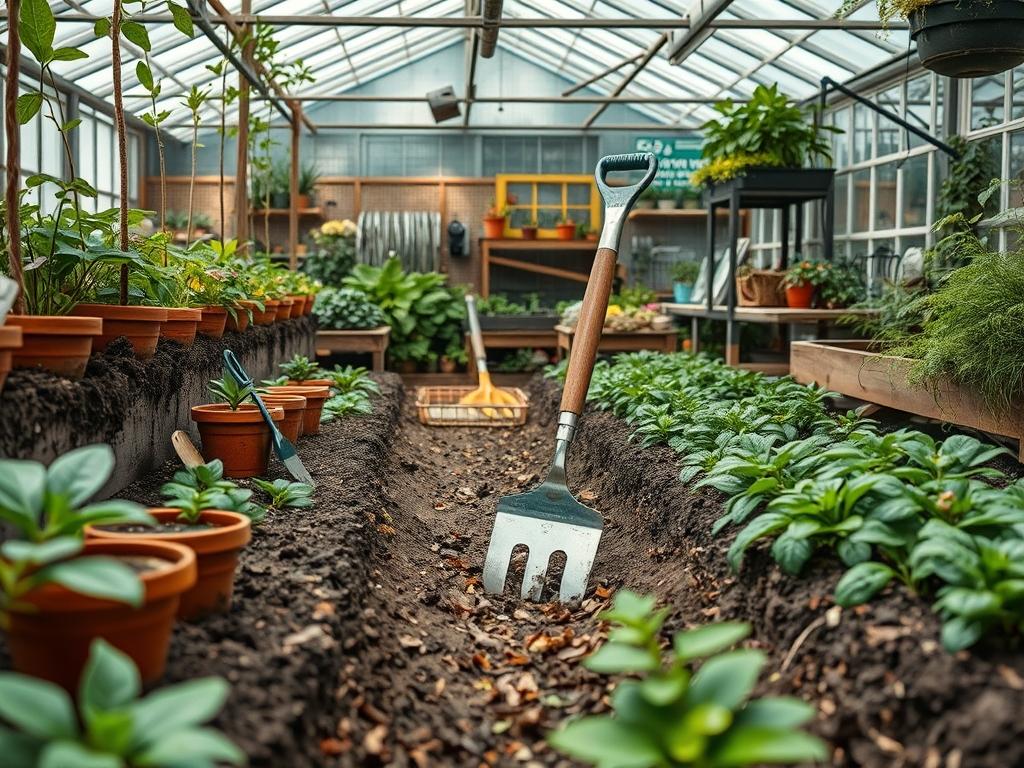
Landscape architecture is fundamentally an exercise in harmonizing human intent with the chaotic systems of nature. For decades, the industry focused on visual aesthetics and structural durability, often overlooking the physical and sensory barriers that prevent many individuals from participating in garden stewardship. This is changing as the industry embraces universal design. The emergence of Haptic Garden Tools represents a significant leap forward in making landscaping accessible to everyone, regardless of physical ability or sensory perception. These tools use tactile feedback, such as vibrations or physical resistance, to communicate information about soil moisture, planting depth, and plant health. By integrating these technologies, we can solve the landscaping challenge of creating spaces that are not only beautiful but also inclusive. High curb appeal and functional outdoor living goals are no longer reserved for those with peak dexterity. Instead, the modern landscape is a place where technology facilitates a deeper connection to the earth, ensuring that maintenance remains a joyful, manageable task for all.
Landscape Design Principles
Effective landscape design relies on a structured approach to spatial organization. Symmetry and visual balance provide a sense of order and tranquility. When we design a garden, we often start with a primary focal point, such as a Custom Stone Fountain or a large Specimen Oak Tree, to draw the eye. From this center, we layer the environment using different elevations. Raising sections of the garden with a Stone Retaining Wall can create visual interest and improve accessibility by bringing plants closer to waist height. This reduction in the need for bending and kneeling is a core component of haptic gardening.
Symmetry does not always mean a mirrored image. We often use asymmetrical balance to create a more naturalistic feel, placing a large evergreen on one side to balance a cluster of small shrubs on the other. Footpaths and walkways should be at least 36 inches wide to accommodate varied mobility needs. When these paths consist of tactile materials like Crushed Granite or Textured Pavers, they provide haptic feedback to the feet or a cane, signaling boundaries. Irrigation planning must also be integrated early in the design phase. A well-designed Drip Irrigation System ensures that water reaches the roots directly, reducing waste and preventing the soil compaction that often occurs with heavy overhead watering.
Plant and Material Selection
The success of any landscape depends on selecting the right biological and structural components. We prioritize native species that have evolved to thrive in local climate conditions, which reduces the need for chemical interventions. The following table outlines several hardy options suitable for a professional landscape.
| Plant Type | Sun Exposure | Soil Needs | Water Demand | Growth Speed | Maintenance Level |
| :— | :— | :— | :— | :— | :— |
| Purple Coneflower | Full Sun | Well-draining | Low | Moderate | Low |
| Japanese Maple | Partial Shade | Loamy/Acidic | Moderate | Slow | Medium |
| Creeping Thyme | Full Sun | Sandy/Dry | Low | Fast | Low |
| Little Bluestem | Full Sun | Lean/Dry | Low | Moderate | Low |
| Mountain Laurel | Shade | Acidic/Cool | Moderate | Slow | High |
| Maiden Hair Fern | Full Shade | Humus-rich | High | Moderate | Medium |
When selecting materials, we opt for durability and texture. Kiln-dried Cedar is an excellent choice for raised beds, while Weathering Steel provides a modern, rust-colored edging that lasts for decades. Using Coarse Wood Chips or Pine Straw as mulch helps retain moisture and provides a distinct tactile difference from the garden beds.
Implementation Strategy
Implementing a professional garden layout requires a methodical approach to site preparation. We begin with grading, ensuring the land slopes away from any permanent structures at a rate of at least 2 percent. This prevents water from pooling against foundations. Next, we address drainage by installing French Drains or dry creek beds made of River Rock to manage runoff during heavy rains. Once the site is stable, we mark the edges using Steel Edging to create clean lines between the turf and the planting beds.
The use of Haptic Garden Tools during the planting phase is transformative. For instance, a Haptic Hand Trowel can be calibrated to vibrate once a hole reaches a depth of 6 inches, which is perfect for most bulb plantings. This eliminates the need for constant visual measurement. After the plants are in the ground, we apply a layer of Hardwood Mulch at a depth of 3 inches. This mulch layer serves multiple purposes: it suppresses weeds, regulates soil temperature, and provides a clear sensory boundary for the gardener. Hardscaping elements, such as a Flagstone Patio or a Pergola, should be installed before the final planting to avoid damaging young root systems.
Common Landscaping Failures
Many landscaping projects fail because of a lack of foresight regarding the maturity of the plants. Root overcrowding is a frequent issue when designers place plants too close together to achieve an “instant” full look. Over time, the roots compete for nutrients, and the lack of airflow leads to fungal diseases. Improper spacing also makes maintenance difficult, as it restricts the movement of tools and caretakers.
Soil compaction is another silent killer of healthy gardens. When heavy machinery or frequent foot traffic compresses the soil, it eliminates the air pockets needed for roots to breathe. This leads to poor drainage and stunted growth. Furthermore, irrigation inefficiencies often result from poor planning. If an Automatic Sprinkler System is not calibrated correctly, it may overwater certain zones while leaving others parched. This is particularly problematic in areas with diverse microclimates, such as the shaded space beneath a large Evergreen Canopy versus a south facing flower bed. Utilizing Haptic Moisture Sensors can mitigate this by providing a physical pulse that alerts the gardener when the soil is dry at the root level, rather than relying on the surface appearance.
Seasonal Maintenance
A landscape is a living entity that requires consistent care across all four seasons. In the spring, the focus is on renewal. We remove dead foliage, aerate the soil, and apply a fresh layer of Organic Compost to jumpstart the growing season. This is also the time to inspect Pruning Shears and ensure they are sharp. Haptic Pruners can help the user feel the exact moment a clean cut is achieved, preventing the crushing of delicate stems.
Summer maintenance is dominated by hydration and weed control. During heatwaves, it is essential to monitor soil moisture levels frequently. Mulch should be checked to ensure it has not thinned out, as it protects the soil from the intense sun. In the autumn, the emphasis shifts to cleanup and preparation for dormancy. We rake leaves to prevent them from smothering the grass and plant spring-blooming bulbs like Tulips or Daffodils. Winter is the season for structural maintenance. We prune deciduous trees while they are dormant and check Retaining Walls for any signs of shifting due to frost heave. By following this seasonal rhythm, the landscape remains resilient and vibrant throughout the year.
Professional Landscaping FAQ
How do haptic tools help visually impaired gardeners?
These tools provide tactile feedback, such as vibrations, to indicate soil moisture or planting depth. This allows users to navigate the garden and perform precise tasks using their sense of touch rather than relying solely on sight.
What is the best way to prevent soil compaction?
Limit foot traffic to designated paths made of Step Stones or Gravel. In planting beds, use long handled tools to avoid stepping on the soil, and regularly incorporate Organic Matter to maintain a loose, airy soil structure.
How deep should my garden mulch be?
A depth of 2 to 3 inches is ideal for most applications. This thickness is sufficient to suppress weed seeds and retain moisture without suffocating the roots of your plants or preventing oxygen from reaching the soil.
Why are native plants better for the environment?
Native Plants are adapted to the local climate and soil. They require less supplemental water, fewer fertilizers, and no heavy pesticides. They also provide essential habitats for local pollinators like bees, butterflies, and birds.
How often should I check my irrigation system?
Perform a full system audit at least twice a year, once in the spring and once in the late summer. Check for clogged nozzles, broken lines, and ensure the Smart Controller is adjusted for the current weather patterns.