
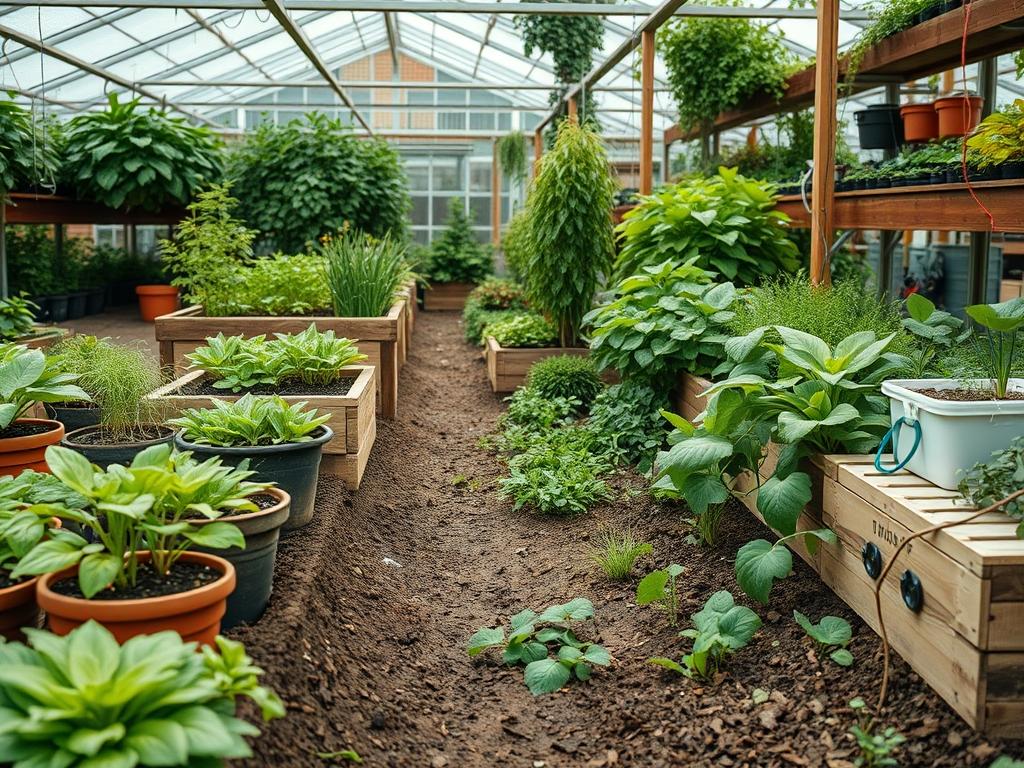
The evolution of the modern landscape now requires a sophisticated marriage between organic beauty and technological precision. Homeowners and commercial property managers are no longer satisfied with static gardens that require constant manual intervention to survive. The challenge lies in creating a space that maintains its curb appeal through fluctuating climate patterns while functioning as a seamless extension of the interior living environment. This is where the concept of edge computing in gardening begins to transform the field of landscape architecture. By shifting data processing from remote cloud servers to local devices situated directly on the property, we can achieve real-time responsiveness that was previously impossible. This technological shift ensures that irrigation, lighting, and nutrient delivery systems react instantly to environmental shifts, preserving the health of premium specimens and maintaining the structural integrity of the site.
In the contemporary outdoor environment, functionality goals often include the creation of private sanctuaries that require minimal resource waste. Traditional automated systems frequently fail because they rely on distant weather stations or lag-prone cloud connections. If a sudden localized storm begins, a cloud-based system might continue to run the sprinklers for several minutes before receiving a shut-off command. Edge computing in gardening eliminates this latency by processing sensor data on a local gateway. This allows for an immediate cessation of water flow, saving thousands of gallons of water annually and protecting the delicate root systems of Boxwood or Azaleas from over-saturation. As landscape architects, we view this as a vital tool for sustainable design, ensuring that every drop of water and every watt of electricity is used with maximum efficiency.
Landscape Design Principles
Symmetry and visual balance serve as the foundation of any professional landscape plan. When we design a high-end estate, we look at the site as a series of interconnected zones. Symmetry does not always mean a mirror image; rather, it refers to the distribution of visual weight. By utilizing edge-enabled sensors, we can monitor the growth rates of identical hedges on opposite sides of a walkway. If one side receives slightly more sunlight, the local control system can adjust the fertilization schedule for the shaded side to ensure the growth remains uniform. This maintains the formal aesthetic of the property without requiring a gardener to physically measure every branch.
Focal points are the anchors of the garden. Whether it is a specimen tree like a Japanese Maple or a custom-built water feature, these elements require specific environmental conditions to thrive. Edge computing allows us to create micro-climates around these focal points. We can install localized moisture and pH sensors that communicate directly with a nearby irrigation valve. If the soil around a prized focal tree becomes too acidic or dry, the system corrects the issue in seconds. This level of precision is essential for maintaining elevation layers, where plants on a high slope might dry out much faster than those at the base of a retaining wall.
Irrigation planning and walkway design must be integrated to prevent erosion and ensure passenger comfort. Walkways should be more than just paths; they are the arteries of the garden. In a “smart” landscape, we often embed sensors under pavers or along the stone edging to detect foot traffic. This information allows the edge system to manage lighting levels dynamically. As a visitor approaches a dark corner of the yard, the lights brighten gradually, providing safety and enhancing the visual depth of the landscape. When the area is vacant, the lights dim to conserve energy and reduce light pollution, all managed by a local processor that does not rely on a steady internet connection to function.
Plant and Material Selection
Selecting the right materials is the most critical phase of the architectural process. We must balance aesthetic desires with the hard realities of the local hardiness zone. Below is a guide for high-performance plants and materials used in modern, automated landscapes.
| Plant Type | Sun Exposure | Soil Needs | Water Demand | Growth Speed | Maintenance Level |
| :— | :— | :— | :— | :— | :— |
| Lavender | Full Sun | Well-drained sandy | Low | Medium | Low |
| Boxwood | Full to Partial | Loamy, pH 6.5-7.0 | Moderate | Slow | Medium |
| Fountain Grass | Full Sun | Tolerant/Well-drained | Low to Medium | Fast | Low |
| Japanese Maple | Partial Shade | Rich, slightly acidic | Moderate | Slow to Medium | High |
| Hostas | Full Shade | Moist, organic-rich | High | Medium | Low |
| Creeping Thyme | Full Sun | Poor to average | Low | Fast | Very Low |
In addition to plant life, material selection for hardscaping is paramount. We recommend using permeable pavers for driveways to manage runoff effectively. For mulch, a double-shredded hardwood mulch applied at a depth of 3 inches provides the best moisture retention and weed suppression. In areas with steep elevation changes, a limestone retaining wall or pressure-treated timber sleepers can provide the necessary structural support to prevent soil migration.
Implementation Strategy
The transition from a blueprint to a finished garden requires a disciplined implementation strategy. We begin with professional grading. Ensuring that the land slopes away from the home foundation at a minimum rate of 2 percent is non-negotiable. This prevents basement flooding and protects the structural integrity of the hardscaping. Once the grade is established, we install the primary drainage lines, often utilizing 4-inch perforated PVC pipe packed in 3/4-inch crushed stone.
Next, we lay the infrastructure for edge computing in gardening. This includes burying low-voltage power lines and shielded data cables alongside the irrigation mainlines. By co-locating these utilities, we minimize soil disruption. The irrigation system should be divided into distinct zones based on the water needs identified in our plant table. Each zone is equipped with a localized solenoid valve and a moisture sensor. These components connect to a central edge gateway, typically housed in a weather-resistant enclosure near the main outdoor electrical panel.
After the infrastructure is in place, we focus on edging and soil preparation. Definition in a garden comes from clean lines. We use steel edging or poured concrete curbs to separate turf areas from planting beds. Soil should be amended with organic compost to a depth of 6 inches before any planting occurs. Finally, the trees and shrubs are installed, followed by the application of mulch and the calibration of the edge sensors. Each sensor is tested to ensure it can trigger its respective irrigation zone or lighting group without needing to ping a remote server.
Common Landscaping Failures
The most frequent failure we see in professional landscaping is poor drainage leading to “wet feet” for the plants. When water collects at the base of a plant without an exit path, the roots eventually rot. This is often caused by improper grading or a failure to account for the compaction of the soil during the construction phase. Soil compaction prevents air and water from reaching the root zone, effectively suffocating the plant. We recommend core aeration and the addition of gypsum to heavy clay soils to mitigate this issue.
Another significant error is root overcrowding and improper spacing. It is tempting to plant closely together for an “instant” full look, but this leads to competition for nutrients and stunted growth. A Boxwood hedge planted too tightly will eventually develop fungal issues due to a lack of airflow. Similarly, inefficient irrigation schedules, such as watering for ten minutes every day regardless of the weather, are a primary cause of plant stress. Edge computing in gardening addresses this by ensuring that the system only waters when the soil moisture falls below a specific threshold, preventing the feast-or-famine cycle typical of traditional timers.
Seasonal Maintenance
Maintenance is a year-round commitment that changes with the tilt of the earth. In the spring, the focus is on preparation and pruning. This is the time to apply a pre-emergent herbicide and prune back any winter-damaged limbs. We also recommend recalibrating the edge sensors to ensure that the increased rainfall of spring is being accounted for in the automation logic.
Summer maintenance is dominated by heat management. This is when the “edge” system proves its worth. During a heatwave, the local processors can increase the frequency of short “pulse” watering to cool the soil surface without over-saturating the deeper root zones. In the autumn, the priority shifts to cleanup and bulb planting. It is essential to remove fallen leaves from the turf to prevent mold and to apply a high-potassium fertilizer to help plants prepare for dormancy.
Winter is the time for protection and system audits. In colder climates, irrigation lines must be “blown out” with an air compressor to prevent the pipes from bursting. While the plants are dormant, we take the time to update the software on the edge gateway and check all sensor burials for signs of frost heave or rodent damage. This ensures the system is ready to hit the ground running as soon as the ground thaws in the spring.
Professional Landscaping FAQ
How does edge computing differ from standard smart timers?
Standard timers follow a schedule or use remote weather data. Edge computing uses local sensors to process information on-site, providing instant responses to actual soil and light conditions without needing an active internet connection for daily operations.
What is the best mulch for weed suppression?
A 3-inch layer of double-shredded hardwood mulch is superior. It mats together to create a barrier that prevents sunlight from reaching weed seeds while allowing water to reach the soil. Avoid thin layers which fail to stop germination.
How do I prevent root rot in heavy clay soil?
Improve drainage by grading the site and installing a French drain system. Amending the clay with organic matter and expanded shale helps create air pockets. Using edge sensors prevents over-watering, which is the leading cause of rot.
Where should I place focal point lighting?
Position lights to highlight the texture of tree bark or the structure of a stone wall. Use LED fixtures with a warm color temperature. Edge systems can dim these lights automatically based on the time of night or movement.
Why is grading more important than planting?
Grading controls the flow of water on your property. Without proper grading, even the most expensive plants will die from drowning or erosion. Correcting the slope ensures the long-term health of the entire landscape and protects your home foundation.