
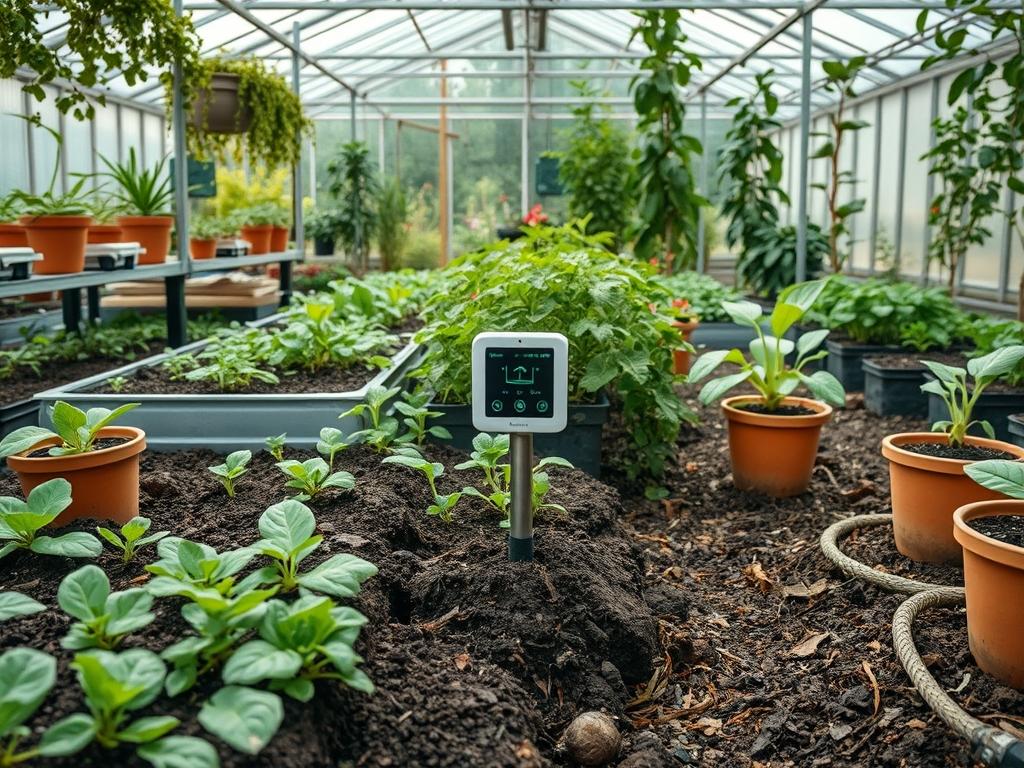
Modern landscaping serves as the bridge between architectural rigidity and the fluid variables of the natural environment. While aesthetic appeal and the immediate boost to property value are primary drivers for homeowners, the long term success of a landscape depends on managing invisible environmental factors. Achieving a high performance outdoor space requires more than just selecting attractive flora; it demands a deep understanding of soil chemistry, drainage patterns, and microclimates. This is where a professional approach to Smart Garden Sensor Setup becomes essential. By integrating technology into the physical layout, a landscape architect can move beyond guesswork and create a responsive environment that adapts to shifting weather patterns and seasonal transitions. This proactive management style ensures that focal points remain vibrant and that complex irrigation systems operate with maximum efficiency, protecting the significant financial investment inherent in high end residential or commercial greenery projects.
The challenge of modern exterior design lies in balancing the desire for non native ornamental species with the practical limitations of local rainfall and sun exposure. When we discuss curb appeal, we are really discussing the health and vigor of the vegetation. A wilting hedge or a yellowing lawn immediately detracts from the structure of the home. By utilizing a Smart Garden Sensor Setup, we can monitor the volumetric water content of the soil and the ambient temperature at the root zone. This allows for precision irrigation, ensuring that elevation changes and slopes do not lead to localized droughts or oversaturated dead zones. Outdoor functionality is further enhanced when lighting and irrigation are synchronized with real time environmental data, creating a seamless experience for the inhabitant while reducing the labor required for manual oversight.
Landscape Design Principles
Successful landscape design is rooted in the strategic application of symmetry and focal points to guide the eye across a property. Symmetry provides a sense of formal order, often achieved through mirrored plantings or matched Hardscaping elements. However, visual balance does not always require identical sides. Asymmetrical balance uses different elements with similar visual weights to create interest. High quality design incorporates elevation layers, using groundcovers, mid level shrubs, and canopy trees to create depth. This layering also serves a functional purpose, as different heights provide shade and wind protection for more delicate species.
Irrigation planning must be considered as a fundamental skeletal structure of the design rather than an afterthought. We divide a property into hydro-zones based on the specific water needs of the plant groups. A Smart Garden Sensor Setup is vital here, as it provides the data needed to calibrate these zones accurately. For example, a retaining wall may create a drainage shadow where the soil stays drier than the surrounding turf. Sensors placed at varying depths and locations help us understand how water moves through these elevation layers. Walkways and paths should also be mapped in relation to these zones to ensure that overspray does not damage high traffic areas or cause slippery conditions on stone surfaces.
Visual balance is further refined through the use of texture and color. Coarse textured plants like Agave can act as anchors, while fine textured plants like Ornamental Grasses provide movement. By monitoring light levels with sensors, we can ensure that these focal points receive the specific lumens required to maintain their color intensity. This data driven approach allows the landscape architect to make adjustments to the design over time, replacing species that struggle in certain pockets or modifying the layout to better suit the evolving canopy shade.
Plant and Material Selection
| Plant Type | Sun Exposure | Soil Needs | Water Demand | Growth Speed | Maintenance Level |
| :— | :— | :— | :— | :— | :— |
| Buxus sempervirens | Full Sun to Shade | Well-Drained Loam | Moderate | Slow | High (Pruning) |
| Lavandula angustifolia | Full Sun | Gritty/Alkaline | Low | Medium | Low |
| Echinacea purpurea | Full Sun | Rich/Standard | Low to Moderate | Fast | Low |
| Acer palmatum | Partial Shade | Slightly Acidic | Moderate | Slow to Medium | Medium |
| Festuca glauca | Full Sun | Well-Drained | Low | Medium | Very Low |
| Hydrangea macrophylla | Shade/Partial Sun | Moist/Organics | High | Fast | High |
Implementation Strategy
The implementation phase begins with a detailed site analysis and the establishment of a grading plan. Proper grading is the most critical step in protecting the home’s foundation and ensuring that water flows away from structures and toward designated drainage basins. Once the rough grade is established, we outline the garden beds and install Edging materials to create clean definitions between the lawn and the planting zones. At this stage, we also install the sub surface components of the Smart Garden Sensor Setup. This involves burying sensors at a depth of 6 to 10 inches for shrubs and 3 to 4 inches for turf to capture accurate moisture readings where the roots actually reside.
Hardscaping elements, such as Retaining Walls and stone patios, should be installed before any major planting occurs. These structures often require deep footings and gravel backfill to manage hydrostatic pressure. As we move into the planting phase, soil amendments are integrated based on the requirements of the chosen species. We recommend a mulch depth of 2 to 3 inches to suppress weeds and retain moisture, but it is important to keep mulch away from the direct collars of trees to prevent rot. Drainage systems, including French drains or catch basins, should be tested prior to final mulching to ensure that the landscape can handle heavy precipitation without significant erosion or soil compaction.
Common Landscaping Failures
The most frequent failure in professional landscaping is inadequate drainage planning. When water is allowed to pool, it displaces the oxygen in the soil, effectively suffoking the root systems of even the most resilient plants. This often occurs when grading is neglected or when heavy machinery compacts the soil during construction. Compaction prevents roots from penetrating the earth and stops water from infiltrating the lower soil profiles. A Smart Garden Sensor Setup can often identify these issues early by showing consistent saturation levels that do not drop even after the irrigation is deactivated.
Root overcrowding is another preventable issue. Homeowners often desire an immediate “full” look, leading to plants being spaced too closely together. As these plants mature, they compete for the same nutrients and water, often leading to stunted growth or the death of the weaker specimens. Improper spacing also restricts airflow, which creates a breeding ground for fungal pathogens. Furthermore, many irrigation systems suffer from inefficiency due to poor nozzle selection or a lack of pressure regulation. If the system is not calibrated to the specific soil intake rate, water will run off the surface before it can reach the root zone, wasting resources and leaving the plants parched.
Seasonal Maintenance
Spring is the season for revitalization. This involves removing winter debris, applying pre-emergent weed control, and checking the Smart Garden Sensor Setup to ensure that batteries are charged and connections are secure after the frost. It is the ideal time for structural pruning of deciduous trees and the application of a slow release fertilizer to support new growth. As the weather warms into summer, the focus shifts to moisture management. We adjust irrigation schedules based on the higher evaporation rates and monitor for signs of heat stress. Deep watering during the early morning hours is preferred to minimize water loss and prevent leaf scorch.
Autumn is reserved for preparation and planting. The soil remains warm while the air cools, providing the perfect environment for root development in new trees and shrubs. This is also the time to aerate the lawn to combat soil compaction and apply a layer of compost to replenish organic matter. Winter maintenance is primarily about protection. In colder climates, we wrap sensitive Evergreens in burlap and use anti-desiccant sprays to prevent moisture loss from freezing winds. We also winterize the irrigation system by blowing out the lines with compressed air, ensuring that no water remains to freeze and crack the pipes.
Professional Landscaping FAQ
How deep should I place soil moisture sensors?
For standard lawns, place sensors at a depth of 4 inches. For larger shrubs or ornamental trees, a depth of 8 to 12 inches is more effective for monitoring the primary root ball and ensuring the water reaches the target.
Can sensors distinguish between rain and irrigation?
Smart Garden Sensor Setup systems utilize software to correlate moisture spikes with local weather station data. While the sensor detects the presence of water, the controller determines the source to optimize and skip scheduled cycles during natural rain events.
What is the best way to prevent soil compaction?
Avoid foot traffic on wet garden beds and use designated walkways. For existing compacted areas, mechanical core aeration is the most effective method to introduce air and allow water to reach the root zones of your plants and turf.
Does mulch type affect sensor accuracy?
Organic mulches like wood chips or bark do not significantly interfere with sensors. However, heavy gravel or rock mulches can retain heat differently, potentially affecting temperature readings if the sensor probe is placed too close to the surface layer.
Are wireless sensors reliable in large landscapes?
Wireless sensors are highly effective if they use long range protocols like LoRaWAN or high quality Zigbee mesh networks. For very large estates, a signal repeater may be necessary to ensure consistent data transmission back to the main irrigation controller.