
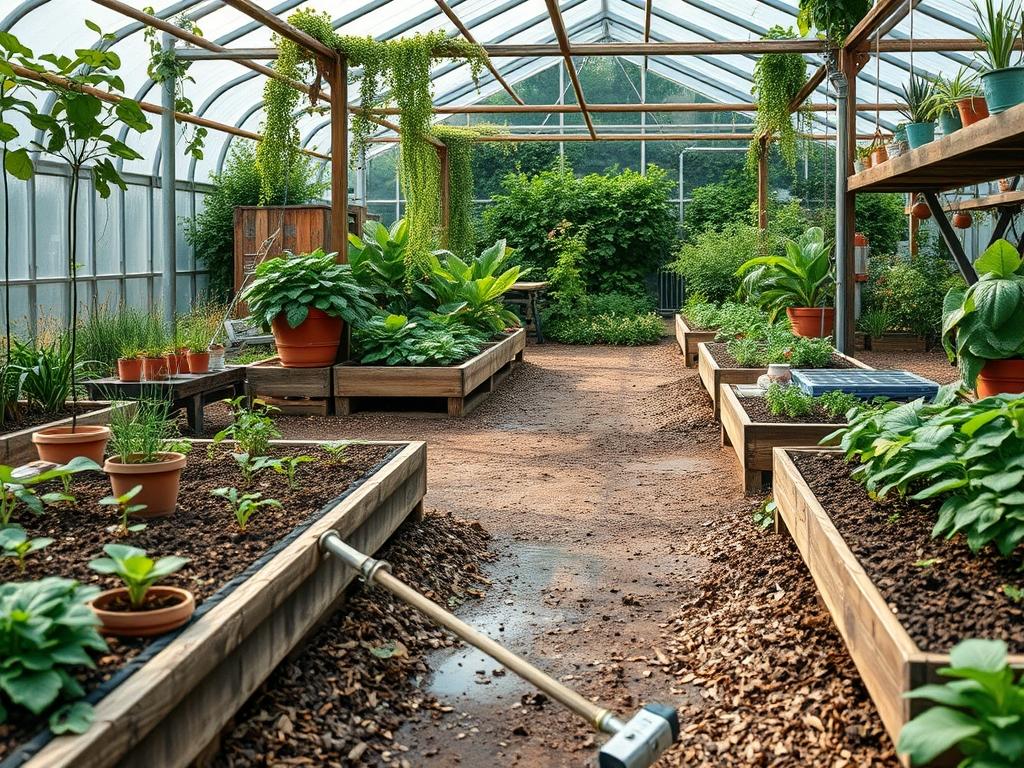
Designing a high performing outdoor environment requires a delicate balance between artistic vision and hydraulic precision. For a modern homeowner or commercial property manager, the landscape is no longer just a collection of flora; it is a living ecosystem that must remain resilient against shifting climate patterns while enhancing the architectural value of the property. Achieving this requires a comprehensive approach where every element, from the slope of the terrain to the specific flow rate of a nozzle, works in concert. A Smart Irrigation Design Pro understands that professional landscaping begins long before the first shovel hits the dirt. It starts with a deep analysis of site topography, sun exposure patterns, and soil composition. When these factors are ignored, even the most expensive nursery stock will struggle to thrive. By integrating advanced planning techniques, we can create spaces that are not only visually arresting but also environmentally responsible and cost effective to maintain over decades of growth.
Landscape Design Principles
Successful landscape architecture relies on the foundational principles of symmetry, focal points, and elevation layers. Visual balance does not always mean perfect mirror images; rather, it involves the strategic distribution of visual weight. For instance, a massive Live Oak on the left side of a property can be balanced by a dense cluster of Ornamental Grasses and a structured Retaining Wall on the right. Focal points serve as the anchors of the design, drawing the eye toward specific features such as a custom water element, a sculptural tree, or a grand entryway. These anchors prevent the landscape from feeling cluttered or aimless.
Elevation plays a critical role in adding dimension to flat lots. By utilizing Fieldstone or Timber Sleepers to create tiered planting beds, you invite a sense of depth that a single level cannot provide. This layering also aids in irrigation planning. A Smart Irrigation Design Pro will group plants into hydrozones based on their specific water requirements and the natural drainage patterns of the site. Walkways should be designed using durable materials like Flagstone or Permeable Pavers that allow for natural infiltration. This ensures that heavy rainfall does not pool in high traffic areas, which can lead to soil erosion and damaged root systems.
Plant and Material Selection
The selection of plant material determines the longevity of the design. It is essential to choose species that are compatible with your specific USDA hardiness zone and soil pH. The following table provides a breakdown of common landscape selections and their requirements:
| Plant Type | Sun Exposure | Soil Needs | Water Demand | Growth Speed | Maintenance Level |
|:—|:—|:—|:—|:—|:—|
| Lavender | Full Sun | Well-Drained Sandy | Low | Moderate | Low |
| Japanese Maple | Partial Shade | Loamy, Acidic | Moderate | Slow | Moderate |
| Dwarf Boxwood | Full to Partial | Well-Drained Clay | Moderate | Slow | High (Pruning) |
| Coneflower | Full Sun | Poor to Average | Low | Fast | Low |
| Blue Spruce | Full Sun | Moist, Acidic | Moderate | Slow | Low |
| Hydrangea | Partial Shade | Rich, Organic | High | Moderate | Moderate |
| Switchgrass | Full Sun | Adaptable | Low | Fast | Very Low |
Beyond biological selections, the choice of hardscape materials is equally vital. Using Crushed Granite for paths provides a rustic texture while maintaining excellent drainage. For mulch, a 3-inch layer of Cedar Bark or Pine Straw helps regulate soil temperature and retain moisture, which reduces the load on your irrigation system.
Implementation Strategy
The implementation phase is where theoretical design meets physical reality. The process begins with Site Grading. Proper grading ensures that water flows away from the foundation of the home and toward designated drainage areas or subterranean Dry Wells. Once the grade is established, the layout of the hardscaping occurs. This includes the installation of Retaining Walls, Patios, and Walkways. These permanent structures define the “bones” of the garden and must be set on a compacted base of Crushed Stone to prevent shifting over time.
Next, the subterranean infrastructure is installed. For a Smart Irrigation Design Pro, this involves laying Schedule 40 PVC or Polyethylene Tubing for the main lines and laterals. Precision is key; heads should be placed to ensure head-to-head coverage, avoiding dry spots or overspray onto hard surfaces. After the pipes are in place, the soil must be amended. Adding Compost or Sphagnum Peat Moss improves nutrient density and water holding capacity. When planting, ensures the root ball is level with the surrounding soil. Deep-rooting trees and shrubs should be spaced at least 10 feet apart to prevent future structural competition. Finally, applying the Mulch layer and installing Edging made of Steel or Aluminum will provide a clean finish and keep grass from encroaching into the flower beds.
Common Landscaping Failures
Many landscaping projects fail due to a lack of foresight regarding long term growth and drainage. One of the most frequent mistakes is root overcrowding. A sapling that looks perfect in a 5-gallon pot may eventually develop a canopy spread of 30 feet. If planted too close to a house or a walkway, its roots can heave Concrete Pavers or invade septic lines. Another common error is the “bathtub effect,” which occurs when a hole is dug in heavy clay soil and filled with light potting mix. The clay acts as a waterproof basin, trapping moisture and eventually rotting the roots of the plant.
Irrigation inefficiencies also rank high among common failures. Over-watering is often more damaging than under-watering, as it leads to fungal diseases and weak, shallow root systems. Soil compaction is another silent killer of healthy landscapes. If heavy machinery was used during construction without subsequent Core Aeration, the soil becomes so dense that oxygen and water cannot reach the roots. This leads to stunted growth and increased susceptibility to pests. Professionals avoid these pitfalls by conducting a Percolation Test before planting and ensuring that all irrigation zones are calibrated to the specific infiltration rate of the soil.
Seasonal Maintenance
A proactive maintenance schedule is the difference between a landscape that matures gracefully and one that deteriorates. In the spring, the focus should be on Core Aeration and the application of a Pre-emergent Herbicide to prevent weed germination. This is also the time to inspect the irrigation system for any leaks or broken heads that occurred during the winter freeze. As the weather warms into summer, moisture management becomes the priority. Use a Tensiometer to check soil moisture levels and adjust the Smart Controller to account for high evapotranspiration rates. Deep, infrequent watering is always preferable to light daily mists.
Autumn is the ideal window for planting new trees and shrubs, as the cooler air and warm soil encourage root development before the frost. This is also when you should apply a layer of Organic Fertilizer to help plants store energy for their dormant period. Finally, winter maintenance involves protecting sensitive species with Burlap Wraps and performing winterization on the irrigation system. Blowing out the lines with an Air Compressor ensures that no water remains to freeze and crack the Backflow Preventer or valves. Constant vigilance ensures the longevity of your investment.
Professional Landscaping FAQ
How often should I adjust my smart irrigation controller?
A Smart Irrigation Design Pro system should adjust itself daily based on local weather station data. However, you should manually review the settings once per month to ensure sensors are clean and the programming aligns with seasonal plant growth.
What is the best way to prevent soil erosion on a slope?
Install a combination of Terraced Retaining Walls and deep-rooted groundcovers like Creeping Juniper. Using Jute Matting or Erosion Control Blankets during the initial planting phase helps stabilize the soil until the root systems are fully established.
Is drip irrigation better than traditional sprinklers?
Drip irrigation is significantly more efficient for flower beds and shrubs because it delivers water directly to the root zone, reducing evaporation. Sprinklers are generally better for large turf areas where uniform coverage across a wide surface is required.
When is the best time of day to water my lawn?
The optimal time is between 4:00 AM and 8:00 AM. This allows the water to soak into the soil before the sun increases evaporation rates, while ensuring the foliage dries out during the day to prevent fungal growth.
How deep should my flower bed mulch be?
Maintain a depth of 2 to 3 inches. This thickness is sufficient to suppress weeds and retain moisture without suffocating the soil. Ensure the mulch is kept a few inches away from the trunks of trees to prevent bark rot.